officecube

Eco-Friendly and Sustainable Modular Office Furniture in India

Understanding the Rise of Sustainable Workspaces in India India’s corporate landscape is undergoing a remarkable transformation. Businesses are no longer focusing solely on profitability and operational efficiency; they are also paying close attention to environmental responsibility. As sustainability becomes a core business objective, companies across industries are rethinking how their offices are designed, furnished, and maintained. One of the most significant developments in this movement is the growing adoption of eco-friendly modular office furniture. Organizations are recognizing that furniture choices can directly influence their environmental footprint, employee well-being, and long-term operational costs. The rise of green buildings, ESG (Environmental, Social, and Governance) initiatives, and sustainable workplace certifications has accelerated demand for environmentally responsible furniture solutions. Modern offices are increasingly being designed with flexibility in mind, allowing spaces to evolve without generating unnecessary waste. Modular furniture aligns perfectly with this philosophy because it can be rearranged, expanded, repaired, or repurposed rather than discarded. India’s booming startup ecosystem, expanding IT sector, and growing awareness of climate change have further contributed to this shift. Companies that once viewed sustainability as a marketing advantage now see it as a business necessity. Employees, investors, and customers increasingly expect organizations to demonstrate genuine environmental commitment. Sustainable modular office furniture helps businesses meet these expectations while creating visually appealing and highly functional workplaces. As urban centers continue to grow and office spaces become more dynamic, furniture solutions that combine adaptability with environmental responsibility are becoming indispensable. This trend is not merely a passing phase; it represents a fundamental evolution in how modern Indian workplaces are built and managed. Why Businesses Are Prioritizing Green Office Solutions Businesses today operate in an environment where sustainability influences purchasing decisions, brand reputation, and even talent acquisition. A growing number of organizations understand that every element within the workplace contributes to their overall environmental impact. Office furniture, often overlooked in sustainability discussions, plays a surprisingly important role in reducing waste and conserving resources. One major reason companies are embracing green office solutions is the increasing focus on ESG performance. Investors and stakeholders are paying close attention to sustainability metrics, encouraging businesses to adopt environmentally responsible practices. Sustainable furniture helps organizations showcase measurable action rather than relying solely on sustainability statements. Furniture manufactured from recycled materials, responsibly sourced wood, and low-emission components demonstrates a tangible commitment to environmental stewardship. Another driving factor is employee expectations. Modern professionals, especially younger generations, are increasingly attracted to workplaces that reflect their values. A thoughtfully designed sustainable office communicates that the organization cares about health, environmental responsibility, and future generations. This perception can improve employee satisfaction, retention, and workplace engagement. Financial considerations also play a significant role. Although some sustainable furniture products may have higher upfront costs, they often deliver superior durability and longevity. Businesses spend less on replacements, repairs, and disposal over time. Modular systems add another layer of value by allowing companies to adapt office layouts without purchasing entirely new furniture. In India’s competitive business environment, green office solutions provide strategic advantages. Companies can reduce waste, lower lifecycle costs, strengthen their brand image, and align themselves with emerging environmental regulations. Sustainable office furniture is increasingly becoming an essential component of responsible business operations rather than a luxury upgrade. The Impact of Office Furniture on Environmental Sustainability Office furniture has a larger environmental footprint than many people realize. Traditional furniture production often involves extensive resource extraction, energy-intensive manufacturing, chemical treatments, and significant transportation emissions. When furniture reaches the end of its usable life, much of it ends up in landfills, contributing to environmental degradation and resource waste. The sustainability challenge becomes even more significant in rapidly growing economies such as India. As businesses expand and office spaces evolve, furniture replacement cycles can generate substantial waste. Conventional furniture systems are often difficult to repair, upgrade, or reconfigure, leading organizations to replace entire units when only a small modification is needed. This approach consumes additional raw materials and increases environmental impact. Eco-friendly modular furniture addresses these concerns through intelligent design and responsible manufacturing. Components can often be replaced individually, extending product life and reducing waste generation. Manufacturers increasingly use recycled content, sustainably sourced materials, and environmentally friendly production processes to minimize ecological impact. The environmental benefits extend beyond manufacturing. Sustainable furniture often incorporates low-VOC materials that improve indoor air quality, creating healthier workplaces for employees. Better indoor environments can contribute to enhanced comfort, productivity, and overall well-being. Many sustainability experts emphasize the importance of considering a product’s entire lifecycle. From raw material extraction to end-of-life disposal, every stage influences environmental outcomes. Modular office furniture supports lifecycle sustainability by enabling reuse, refurbishment, and recycling. Instead of following a linear “buy-use-discard” model, organizations can participate in a circular economy where resources remain valuable for longer periods. What Makes Modular Office Furniture Sustainable? Modular office furniture stands apart from traditional furniture because it is designed with flexibility, adaptability, and longevity at its core. Sustainability is not achieved through a single material or feature; rather, it emerges from a combination of thoughtful design principles and environmentally responsible manufacturing practices. These characteristics make modular systems particularly valuable in modern workplaces where organizational needs frequently change. Unlike fixed furniture arrangements, modular systems can evolve alongside business requirements. Teams grow, departments relocate, and workspace configurations shift over time. Traditional furniture often becomes obsolete during these transitions, leading to unnecessary disposal. Modular furniture avoids this problem by allowing organizations to modify existing systems rather than replacing them entirely. Sustainability also stems from durability. High-quality modular furniture is engineered to withstand repeated reconfiguration without compromising performance. This extended lifespan reduces demand for new resources and lowers overall environmental impact. Businesses benefit from lower replacement costs while supporting more responsible consumption patterns. Another defining characteristic is resource efficiency. Many manufacturers optimize production processes to reduce material waste and energy consumption. Sustainable modular furniture often incorporates recycled content, renewable materials, and environmentally friendly finishes. These choices help minimize ecological impact while maintaining functionality and aesthetic appeal. As sustainability becomes a strategic priority across India, modular office furniture offers

Eco-Friendly and Sustainable Modular Office Furniture in India Read More »

Modular Office Furniture vs Conventional Office Furniture

Modular vs Conventional Office Furniture: Which Is the Better Choice for Modern Workspaces?

The modern workplace has changed dramatically over the last decade. Open-plan offices, hybrid work models, collaborative environments, and rapidly growing businesses have transformed the way companies think about office design. Furniture is no longer viewed as a simple workplace necessity. It has become a strategic investment that influences productivity, employee satisfaction, brand image, and operational efficiency. One of the most common decisions businesses face today is whether to invest in modular office furniture or conventional office furniture. At first glance, the choice may appear straightforward. One option offers flexibility and adaptability, while the other emphasizes durability and tradition. However, the reality is far more nuanced. The right furniture solution depends on company size, budget, growth plans, workplace culture, and long-term objectives. A startup operating in a fast-changing environment may have very different requirements than a law firm occupying the same office space for decades. Understanding the strengths and limitations of both furniture types can help business owners, facility managers, architects, and office planners make informed decisions. This comprehensive guide explores every major aspect of modular and conventional office furniture, providing insights that can help organizations create workplaces that are functional, attractive, and future-ready. Understanding the Evolution of Office Furniture Office furniture has evolved alongside the workplace itself. Traditional offices once consisted of private rooms filled with heavy desks, filing cabinets, and permanent storage units. Employees worked in clearly defined spaces, and office layouts changed very little over time. As businesses became more dynamic and technology-driven, organizations began seeking furniture solutions that could keep pace with changing operational requirements. The rise of flexible workspaces created demand for furniture that could be adapted quickly and efficiently. Companies no longer wanted to replace entire office systems whenever departments expanded or teams were reorganized. This need led to the rapid growth of modular office furniture solutions that could be configured and reconfigured as necessary. Today’s office furniture market reflects both traditional values and modern flexibility. Conventional furniture continues to serve businesses that prioritize permanence and prestige, while modular systems appeal to organizations focused on agility and growth. Understanding these categories is essential before comparing their advantages and disadvantages. What Is Modular Office Furniture? Modular office furniture refers to furniture systems composed of interchangeable components that can be assembled, rearranged, expanded, or modified according to changing workplace needs. Rather than functioning as isolated pieces, modular furniture works as an integrated system where desks, partitions, storage units, seating arrangements, and workstations can be connected in multiple configurations. Imagine office furniture as building blocks. Instead of purchasing a fixed workstation that serves only one purpose, a company can invest in components that fit together in different ways. As teams grow, new modules can be added. When departments merge or office layouts change, the same furniture can be rearranged without significant disruption or replacement costs. This adaptability makes modular furniture particularly attractive to startups, technology firms, coworking spaces, educational institutions, and organizations experiencing rapid growth. Many modular systems also include built-in cable management, ergonomic features, collaborative zones, and integrated storage solutions. These features help maximize both efficiency and employee comfort while supporting modern work styles that require flexibility and collaboration. What Is Conventional Office Furniture? Conventional office furniture consists of standalone furniture pieces designed for specific functions and long-term placement. Examples include executive desks, conference tables, filing cabinets, reception desks, bookcases, and traditional workstations. These pieces are often made from wood, steel, or other durable materials and are intended to remain largely unchanged after installation. Traditional office furniture has been the standard for generations because it offers stability, durability, and a professional appearance. Many organizations associate conventional furniture with prestige, authority, and permanence. Executive offices, legal practices, financial institutions, government agencies, and corporate headquarters frequently utilize traditional furniture to project professionalism and trustworthiness. One of the defining characteristics of conventional furniture is craftsmanship. Many premium furniture manufacturers offer custom-built desks, cabinets, and conference tables tailored to specific design preferences. This allows organizations to create unique environments that reflect their brand identity and corporate culture. Although conventional furniture may not provide the same level of flexibility as modular systems, it often excels in quality, longevity, and visual impact. Major Differences Between Modular and Conventional Furniture Understanding the fundamental differences between these two furniture categories is critical when making purchasing decisions. While both serve the same basic purpose, their design philosophies differ significantly. Design and Flexibility Flexibility is where modular furniture truly shines. Modern businesses frequently experience changes in staffing, team structures, and workplace layouts. Modular systems are designed specifically to accommodate these changes. Components can be added, removed, or rearranged without requiring a complete furniture replacement. For example, a company introducing a new department can simply expand existing workstation clusters rather than purchasing entirely new furniture. This adaptability reduces both costs and operational disruptions. Employees can continue working while office configurations evolve around them. Conventional furniture, by comparison, offers limited flexibility. Traditional desks and storage units are generally designed for a fixed purpose and location. Rearranging an office often requires moving large, heavy pieces or purchasing additional furniture. While traditional furniture may provide aesthetic consistency and stability, it lacks the agility required by many modern organizations. Companies that anticipate frequent organizational changes typically find modular systems far more practical and efficient. Space Utilization Office space is expensive. Whether leasing commercial property in a city center or maintaining a large corporate campus, every square foot has value. Efficient space utilization has therefore become a major consideration in workplace design. Modular furniture is often engineered to maximize available space. Workstations can be configured to fit unique floor plans, while multifunctional components reduce clutter and improve workflow. Storage units may double as partitions, and collaborative zones can be created without constructing permanent walls. Conventional furniture generally requires more dedicated floor space because each piece serves a single purpose. Large executive desks, fixed conference tables, and standalone filing cabinets can consume considerable room. In spacious offices, this may not be problematic. However, businesses operating in compact environments often discover that modular furniture

Modular vs Conventional Office Furniture: Which Is the Better Choice for Modern Workspaces? Read More »

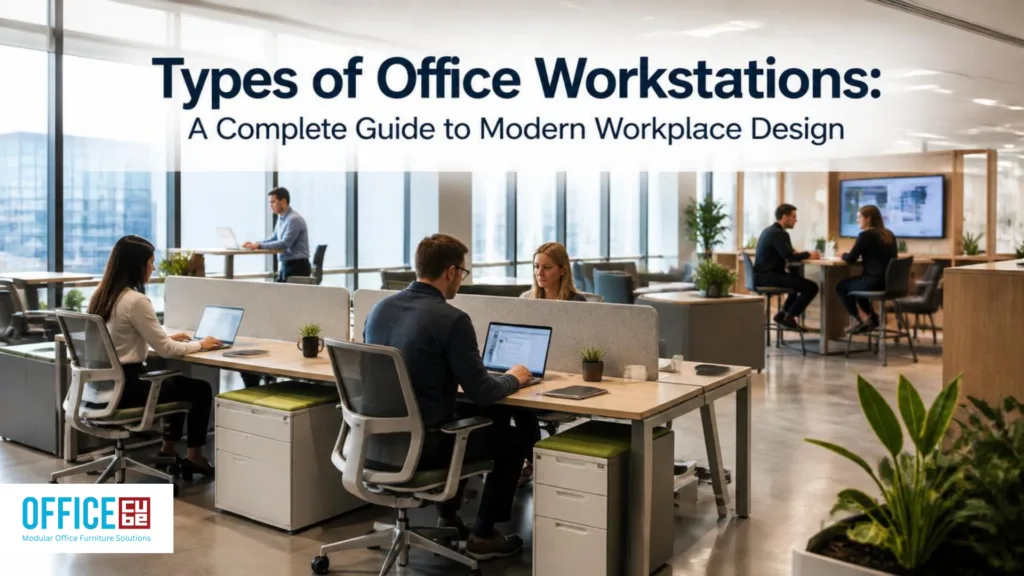
Types of Office Workstations: A Complete Guide to Modern Workplace Design

Types of Office Workstations: A Complete Guide to Modern Workplace Design

Understanding Office Workstations and Their Importance Office workstations are the foundation of a productive workplace. They define how employees interact, collaborate, concentrate, and perform daily tasks. A well-designed workstation does far more than provide a desk and chair; it creates an environment that supports efficiency, comfort, communication, and organizational goals. Modern businesses recognize that workstation design directly influences employee satisfaction and performance. As workplace expectations evolve, organizations are moving away from traditional layouts and adopting flexible solutions that accommodate different work styles. Whether a company operates in a corporate office, a creative studio, or a hybrid environment, selecting the right workstation type is essential for maximizing productivity and optimizing office space. Open Plan Workstations Features of Open Workstations Open plan workstations are among the most widely used office layouts today. They consist of multiple desks arranged in a shared environment with minimal partitions. This design encourages communication and teamwork while making efficient use of available floor space. Open workstations typically include: Benefits of Open Office Layouts Organizations often choose open workstations because they promote collaboration and transparency. Employees can quickly exchange ideas, solve problems, and communicate without barriers. Additional advantages include: Benefit Description Improved Communication Encourages faster interaction between teams Space Efficiency Accommodates more employees in less space Cost Savings Requires fewer materials and partitions Team Collaboration Supports group projects and brainstorming Despite these benefits, companies should balance openness with areas designed for focused work. Cubicle Workstations What Are Cubicle Workstations? Cubicles remain one of the most recognizable office workstation types. They feature semi-enclosed spaces separated by partitions that provide privacy while maintaining accessibility. These workstations are commonly used in corporate environments where employees require concentration and dedicated workspace. Advantages of Cubicle Offices Cubicles offer several benefits that make them valuable in many organizations: Modern cubicle designs have evolved significantly from traditional models. Contemporary versions incorporate ergonomic furniture, attractive finishes, and improved flexibility. Private Office Workstations Executive and Managerial Offices Private offices are enclosed workspaces designed for executives, managers, and professionals who require confidentiality and uninterrupted focus. These workstations offer maximum privacy and often include premium furnishings. Private offices are particularly useful for: Benefits of Private Workspaces A private workstation provides an environment free from constant interruptions. Employees handling sensitive information often perform better in a secluded setting where conversations remain confidential. Organizations that rely on frequent client interactions also benefit from private offices because they create a professional atmosphere and support productive discussions. Collaborative Team Workstations Designed for Group Productivity Collaborative workstations are specifically arranged to facilitate teamwork. Instead of focusing on individual employees, these setups support groups working toward shared objectives. Common features include: Why Collaborative Spaces Matter Businesses increasingly depend on cross-functional teams. Collaborative workstations encourage spontaneous discussions, accelerate decision-making, and improve innovation. When employees can easily communicate and exchange ideas, projects often move forward more efficiently. These environments are especially valuable in creative industries, technology companies, and project-based organizations. Hot Desking Workstations The Rise of Flexible Workspaces Hot desking allows employees to use available workstations rather than having assigned desks. This concept has become increasingly popular as remote and hybrid work models gain traction. Employees simply select an open workstation when they arrive at the office. Advantages of Hot Desking Hot desking offers significant organizational benefits: Advantage Impact Space Optimization Reduces unused desk space Lower Costs Decreases office overhead Flexibility Supports hybrid work schedules Increased Interaction Encourages networking across departments This approach works particularly well for organizations with mobile teams and flexible attendance patterns. Bench Workstations What Are Benching Systems? Bench workstations consist of long, continuous desk surfaces shared by multiple employees. Unlike cubicles, benching systems minimize barriers and maximize openness. These workstations are common in modern corporate environments seeking a balance between collaboration and efficient space utilization. Key Benefits of Bench Workstations Bench systems provide: Many organizations favor benching because it creates a clean, contemporary appearance while supporting teamwork. Standing Workstations Promoting Employee Wellness Standing workstations have become increasingly popular as businesses prioritize employee health. These setups allow workers to alternate between sitting and standing throughout the day. Height-adjustable desks are among the most sought-after ergonomic office solutions. Health and Productivity Benefits Research consistently suggests that prolonged sitting can contribute to health concerns. Standing workstations help employees maintain movement and improve posture. Potential benefits include: Organizations investing in employee well-being frequently incorporate standing desks into their workstation strategies. Hybrid Workstations Supporting Modern Work Models Hybrid workstations are designed for organizations that combine remote and in-office work. These flexible setups accommodate employees who divide their time between multiple locations. Hybrid workstation designs often include: Why Hybrid Workstations Are Growing As workplace expectations continue to evolve, hybrid workstations offer adaptability without sacrificing productivity. Companies can efficiently support employees regardless of where they perform their tasks. This flexibility helps organizations attract talent, improve employee satisfaction, and reduce operational costs. Ergonomic Workstations The Importance of Ergonomic Design Ergonomic workstations focus on creating comfortable environments that reduce strain and support physical health. Proper ergonomics can significantly impact employee well-being and performance. Essential ergonomic elements include: Business Benefits of Ergonomics Investing in ergonomic workstations can lead to: Organizations increasingly view ergonomics as a strategic investment rather than an optional workplace enhancement. Choosing the Right Office Workstation Selecting the ideal workstation depends on numerous factors, including company culture, available space, employee responsibilities, and operational objectives. No single workstation type is universally superior; the best choice aligns with specific business requirements. Companies focused on collaboration may benefit from open layouts or bench systems. Organizations requiring privacy may prefer cubicles or private offices. Businesses embracing flexibility often adopt hot desking or hybrid workstation models. A successful office design frequently combines multiple workstation types to accommodate different tasks and work styles. By integrating collaborative areas, private spaces, ergonomic furniture, and flexible seating arrangements, organizations can create environments that support both employee satisfaction and business performance. Conclusion The modern workplace demands thoughtful workstation design that balances productivity, collaboration, flexibility, and employee well-being. From open plan workstations and cubicles to hybrid workspaces, standing desks, and ergonomic

Types of Office Workstations: A Complete Guide to Modern Workplace Design Read More »

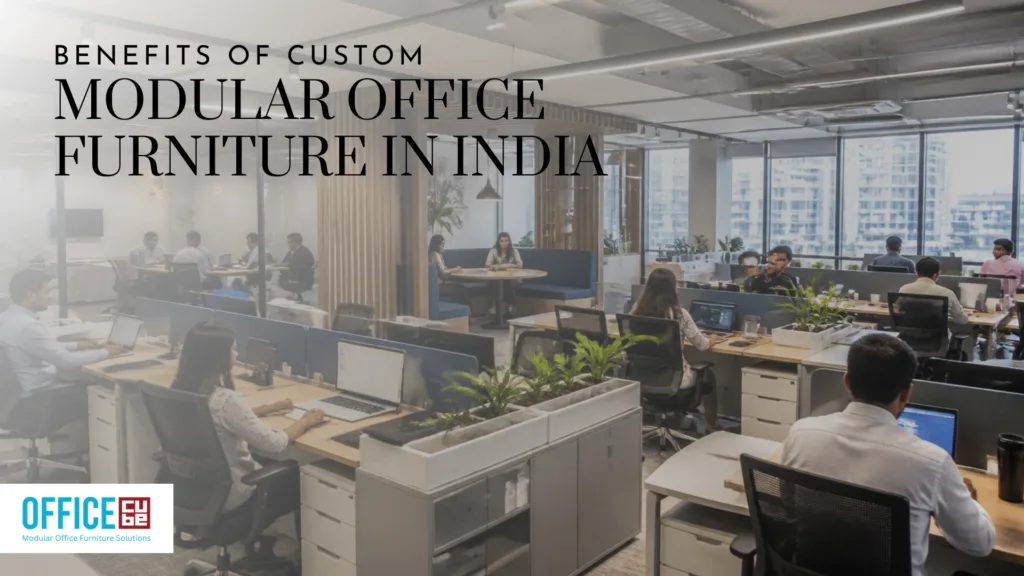
Benefits of Custom Modular Office Furniture in India

Benefits of Custom Modular Office Furniture in India: The Complete Guide for Modern Workspaces

The Indian workplace has undergone a remarkable transformation in recent years. As businesses embrace hybrid work models, collaborative environments, employee wellness initiatives, and technology-driven operations, traditional office furniture is rapidly being replaced by smarter alternatives. Among the most significant developments in workplace design is the growing adoption of custom modular office furniture in India. Organizations across industries are discovering that office furniture is no longer just a functional necessity. It has become a strategic asset that directly influences productivity, employee satisfaction, space efficiency, operational flexibility, and brand perception. Whether a company operates from a startup hub in Bengaluru, a corporate tower in Mumbai, or a co-working facility in Delhi NCR, modular office furniture offers the adaptability required for modern business environments. Custom modular office furniture provides organizations with tailored solutions designed around their specific workflows, office dimensions, employee requirements, and future expansion plans. Instead of forcing teams to work around fixed furniture arrangements, businesses can create workspaces that support growth, collaboration, innovation, and efficiency. This guide explores the major advantages of custom modular office furniture, why it is becoming the preferred choice across India, and how businesses can maximize return on investment through intelligent workspace planning. What Is Custom Modular Office Furniture? Custom modular office furniture refers to furniture systems composed of multiple interchangeable components that can be assembled, rearranged, expanded, or modified according to business requirements. These systems typically include workstations, office desks, storage cabinets, partitions, conference tables, executive cabins, reception counters, collaborative seating areas, and meeting pods. Unlike conventional furniture, modular systems are designed with flexibility in mind. Organizations can customize dimensions, layouts, finishes, materials, colors, and storage configurations to create highly functional office environments. The key difference lies in adaptability. Traditional furniture often becomes obsolete when office layouts change. Modular furniture, on the other hand, evolves with the organization. New employees can be accommodated by adding workstation modules, departments can be restructured without replacing furniture, and office spaces can be redesigned quickly with minimal disruption. This flexibility makes modular office furniture especially attractive to Indian businesses operating in dynamic markets where workforce requirements and organizational structures change frequently. Why Modular Office Furniture Is Growing Rapidly in India The demand for modular office furniture in India has surged due to several workplace trends. Rising commercial real estate costs, hybrid work arrangements, startup growth, and employee-centric office design have all contributed to increased adoption. Organizations are increasingly focused on maximizing every square foot of office space while maintaining employee comfort. At the same time, businesses require workspaces capable of adapting to changing team sizes and operational requirements. According to multiple workplace design studies, organizations that invest in optimized workspace layouts often experience measurable improvements in productivity, collaboration, and employee engagement. As Indian businesses become more competitive globally, workplace design is receiving greater strategic attention. The modular furniture industry has responded by offering innovative solutions that combine functionality, aesthetics, technology integration, and scalability. Companies no longer need to choose between cost efficiency and workplace quality. Modern modular systems provide both. Top Benefits of Custom Modular Office Furniture in India 1. Superior Space Optimization One of the most valuable advantages of modular office furniture is efficient space utilization. Office space in major Indian cities comes at a premium. Businesses often struggle to accommodate growing teams within limited floor areas. Custom modular furniture solves this challenge by creating layouts specifically tailored to available space. Features such as compact workstation clusters, vertical storage systems, integrated filing solutions, and flexible desk configurations allow organizations to maximize occupancy without creating crowded environments. Custom planning ensures that no area is wasted. Every corner, wall, and workstation can be optimized to support operational efficiency. This translates into lower real estate costs and better utilization of workplace resources. 2. Exceptional Flexibility and Scalability Business growth rarely follows a predictable path. Teams expand, departments merge, and operational priorities evolve. Traditional office furniture often becomes restrictive during these transitions. Replacing entire furniture systems whenever organizational changes occur can be expensive and disruptive. Custom modular office furniture allows businesses to scale seamlessly. Additional workstations can be added, layouts can be reconfigured, and collaborative spaces can be expanded without replacing existing infrastructure. This adaptability makes modular furniture particularly valuable for startups, technology firms, consulting companies, and rapidly growing enterprises throughout India. 3. Enhanced Employee Productivity Workspace design significantly affects employee performance. When employees work in environments that support comfort, organization, and collaboration, productivity naturally improves. Modular office furniture contributes to this by providing ergonomic solutions and efficient workstation layouts. Benefits include: Employees spend a substantial portion of their day at their desks. Furniture designed around human needs creates a healthier and more productive workplace experience. 4. Stronger Corporate Branding Office interiors communicate a company’s culture and values. Clients, partners, investors, and prospective employees often form impressions based on workplace aesthetics. Custom modular furniture enables organizations to create cohesive environments aligned with their brand identity. Customization options include: Feature Branding Advantage Custom colors Reinforces corporate identity Branded reception areas Creates strong first impressions Consistent workstation design Enhances professionalism Executive office customization Reflects leadership image Modern layouts Demonstrates innovation A thoughtfully designed office can strengthen credibility and elevate the organization’s market perception. 5. Cost-Effective Long-Term Investment Although custom modular furniture may involve higher upfront costs compared to basic furniture options, the long-term financial benefits are substantial. Businesses save money through: Instead of purchasing entirely new furniture during office expansions or reorganizations, companies can simply modify existing modular systems. The result is a significantly lower total cost of ownership over time. Custom Modular Furniture vs Traditional Office Furniture The differences between modular and traditional furniture become increasingly apparent as organizations grow. Factor Custom Modular Furniture Traditional Furniture Flexibility High Limited Scalability Excellent Poor Space Efficiency Optimized Often inefficient Customization Extensive Minimal Technology Integration Built-in options Limited Maintenance Easy component replacement Often requires replacement Long-Term ROI High Moderate Reconfiguration Simple Difficult For businesses planning future growth, modular furniture typically delivers superior value. Technology Integration for Modern Offices Today’s workplaces rely heavily on technology. Laptops, monitors,

Benefits of Custom Modular Office Furniture in India: The Complete Guide for Modern Workspaces Read More »

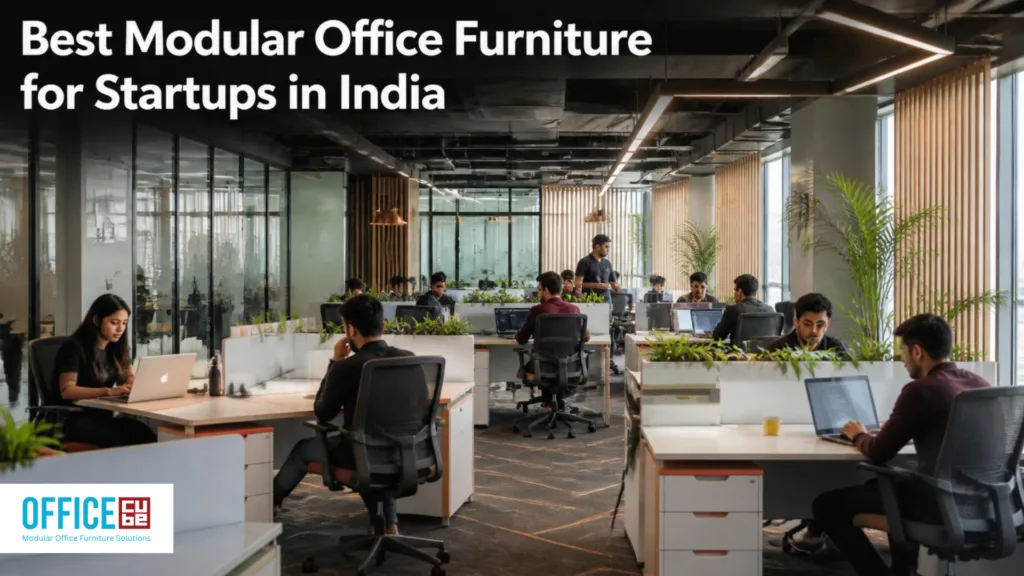
Best Modular Office Furniture for Startups in India

Best Modular Office Furniture for Startups in India

Modular office furniture for startups in India. The startup ecosystem in India is growing at an incredible pace. From Bengaluru and Hyderabad to Pune, Chennai, Gurgaon, and Ahmedabad, new businesses are launching every day. Along with innovation and technology, startups are also transforming the way offices are designed. Traditional office setups filled with bulky desks and fixed furniture are gradually being replaced by modular office furniture that offers flexibility, scalability, and cost efficiency. The demand for modular office furniture is not just a trend. It reflects a larger shift in workplace culture. Recent industry reports show that the Indian office furniture market was valued at approximately USD 6.26 billion in 2025 and is expected to reach USD 14.12 billion by 2034, highlighting strong growth driven by hybrid work environments, coworking spaces, and ergonomic workplace design. The modular furniture segment itself reached around USD 4 billion in 2025 and is projected to nearly double by 2034. These numbers clearly indicate that businesses are investing heavily in flexible workplace solutions. For startups, every square foot matters. Every rupee invested must generate value. That is why selecting the best modular office furniture can significantly impact productivity, collaboration, employee satisfaction, and future expansion. This guide explores the best modular office furniture options for startups in India and explains how to build a modern, scalable workspace without overspending. Why Startups Are Choosing Modular Office Furniture The Rise of Flexible Workspaces Modern startups rarely operate like traditional corporations. Teams grow rapidly, departments evolve, and office layouts change frequently. A startup with ten employees today may become a fifty-member organization within a year. In such a dynamic environment, fixed furniture often becomes a limitation rather than an asset. Modular furniture allows businesses to rearrange workspaces without major renovation costs. Instead of replacing furniture whenever the company grows, startups can simply add new modules to existing setups. This flexibility helps organizations adapt to changing workforce requirements while maintaining a professional office environment. Industry experts have identified flexible workstations, movable desks, and modular layouts as among the biggest workplace trends shaping Indian offices in 2026. Another important factor is the increasing popularity of hybrid work models. Since employees may not be present in the office every day, startups are focusing on shared workspaces that maximize efficiency. Modular furniture supports this approach by enabling quick reconfiguration of office layouts based on daily occupancy levels. Startup Growth Demands Adaptability Imagine building a house where every wall is permanent, even though you know your family will grow. It would be impractical. The same logic applies to startup offices. Businesses need furniture that evolves alongside their operations. Many Indian startups begin in compact offices or coworking spaces where maximizing available space is essential. Modular office furniture offers a practical solution by combining functionality with adaptability. Workstations can be expanded, collaborative zones can be created, and storage units can be repositioned as needed. This ability to scale gradually helps startups avoid expensive redesigns and furniture replacements. The increasing demand for office space in India further supports this trend. Industry forecasts suggest that office leasing activity could reach 85–90 million square feet in 2026-27, driven by growing businesses and flexible workspace adoption. As companies continue expanding, demand for adaptable furniture solutions is expected to increase significantly. Understanding Modular Office Furniture What Makes Furniture Modular? Modular office furniture consists of individual components designed to work together while allowing easy customization. Unlike traditional furniture, modular systems can be rearranged, expanded, reduced, or relocated without affecting their overall functionality. Think of modular furniture like building blocks. Each component serves a purpose independently, but together they create a cohesive workspace. A workstation cluster, for example, can begin with four desks and later expand into eight or twelve desks by simply adding matching modules. The concept extends beyond desks. Storage cabinets, partitions, meeting tables, seating arrangements, and reception counters can all be modular. This design philosophy gives startups the freedom to create workspaces tailored to their unique operational needs. Key Components of a Modular Workspace A fully functional modular office setup typically includes interconnected workstations, ergonomic seating, storage units, meeting room furniture, and collaborative work zones. These components are designed to complement one another while maintaining flexibility. Today’s modular furniture also incorporates practical features such as integrated cable management systems, power access points, mobile storage units, and adjustable configurations. These additions improve workplace organization and support technology-driven workflows. Modern businesses increasingly prefer furniture that accommodates laptops, monitors, video conferencing tools, and charging stations without creating clutter. The beauty of modular design lies in its simplicity. Whether a startup occupies 500 square feet or 10,000 square feet, modular furniture can be customized to fit the available space efficiently. Benefits of Modular Furniture for Indian Startups Cost Efficiency One of the primary reasons startups invest in modular furniture is cost effectiveness. Startups typically operate with limited budgets and must allocate resources carefully. Every unnecessary expense can reduce investment in critical business functions such as marketing, technology development, and talent acquisition. Modular furniture helps reduce long-term costs by eliminating the need for frequent replacements. Instead of purchasing entirely new furniture when expanding, startups can add new components to existing systems. This approach lowers capital expenditure while maintaining workplace consistency. Current industry pricing suggests that furniture costs can vary significantly depending on quality and specifications, but modular systems generally offer better long-term value because of their reusability and scalability. Businesses can start small and expand gradually rather than making large upfront investments. Scalability Growth is the ultimate goal of every startup. Unfortunately, many businesses outgrow their office furniture faster than expected. Traditional furniture often becomes obsolete when team sizes increase or workspace layouts change. Modular furniture eliminates this challenge. Workstations can expand, storage units can be added, and collaborative spaces can evolve without requiring complete redesigns. This scalability aligns perfectly with startup growth patterns. Imagine hiring twenty new employees after a successful funding round. Instead of replacing existing desks, you simply add compatible workstation modules. The process is faster, more affordable, and less

Best Modular Office Furniture for Startups in India Read More »

Future of Modular Offices in India

Future of Modular Offices in India

The Indian workplace is undergoing one of the biggest transformations in its history. Traditional office layouts filled with fixed cabins, permanent walls, and rigid furniture arrangements are gradually making way for dynamic, adaptable, and technology-driven environments. At the center of this transformation lies the concept of modular offices. These workspaces are designed to be flexible, scalable, and capable of evolving with changing business needs. As companies continue to embrace hybrid work models, employee well-being initiatives, and cost optimization strategies, modular office solutions are emerging as the preferred choice for startups, SMEs, multinational corporations, and coworking operators alike. India’s commercial real estate sector is showing remarkable resilience. Industry reports indicate that office leasing activity is expected to reach between 85 and 90 million square feet by FY 2026-27, driven by Global Capability Centers (GCCs) and the increasing adoption of flexible workspaces. This growth reflects a strong demand for modern workplace solutions that can adapt quickly to business requirements. As organizations seek greater workplace agility, modular office systems are becoming an essential component of future-ready work environments. The future of modular offices in India is not simply about furniture or partitions; it is about creating smarter ecosystems that support productivity, collaboration, innovation, and sustainable growth. Understanding the Rise of Modular Offices What Are Modular Offices? A modular office is a workspace built using flexible components that can be easily assembled, disassembled, expanded, or reconfigured according to changing organizational requirements. Unlike traditional office construction, modular offices utilize movable partitions, modular workstations, acoustic pods, collaborative zones, height-adjustable desks, and adaptable furniture systems. This approach allows businesses to redesign their workspace without undergoing extensive renovations or disrupting operations. Think of modular offices as building blocks similar to LEGO pieces. Companies can add, remove, or rearrange elements whenever their teams grow, shrink, or change work patterns. This flexibility has become increasingly valuable in today’s business environment, where uncertainty and rapid change have become normal. Organizations no longer want to invest heavily in office structures that may become obsolete within a few years. Instead, they seek environments that can evolve alongside their business strategies. This shift is fueling demand for modular office furniture, smart partitions, collaborative hubs, and technology-enabled workspace solutions across India. Why Indian Businesses Are Adopting Modular Workspaces The popularity of modular offices in India is largely driven by changing workforce expectations and evolving business models. Employees now expect workplaces that support collaboration, creativity, wellness, and flexibility. Traditional office designs often struggle to meet these expectations. Modular environments, on the other hand, provide businesses with the ability to continuously optimize workplace experiences without major investments. Another major factor is cost efficiency. Companies are increasingly looking for solutions that reduce long-term operational expenses while maximizing space utilization. Modular office systems enable organizations to scale their workspace according to demand, reducing waste and improving occupancy rates. Businesses operating in sectors such as IT, fintech, consulting, healthcare, education, and manufacturing are particularly attracted to the flexibility offered by modular designs. As workplace strategies continue to evolve, modular offices are becoming less of a trend and more of a strategic business necessity. Current State of India’s Modular Office Market Market Growth and Industry Statistics India’s modular furniture and office solutions market is witnessing strong growth. Industry estimates suggest that the Indian modular furniture market reached approximately USD 4 billion in 2025 and is projected to grow to USD 7.7 billion by 2034, reflecting sustained demand for adaptable workspace solutions. At the same time, the broader office furniture market is expected to grow from USD 6.26 billion in 2025 to over USD 14 billion by 2034. Market Segment 2025 Value Future Projection Modular Furniture Market USD 4 Billion USD 7.7 Billion by 2034 Office Furniture Market USD 6.26 Billion USD 14.12 Billion by 2034 Flexible Workspace Supply 80 Million Sq. Ft. 125 Million Sq. Ft. by 2027 These numbers highlight a clear trend: businesses are investing heavily in flexible workplace infrastructure. The growth of coworking spaces, managed offices, and hybrid workplace strategies is creating unprecedented demand for modular office solutions. Key Industries Driving Demand Several sectors are accelerating the adoption of modular offices across India. Information Technology remains the largest contributor due to continuous expansion and workforce scaling requirements. Global Capability Centers are also driving significant demand as multinational corporations establish large operations across major Indian cities. Reports indicate that GCCs could contribute nearly half of India’s flexible workspace demand by 2027. Healthcare, education, engineering, manufacturing, and professional services firms are also embracing modular office concepts. These industries require adaptable spaces that can accommodate evolving team structures, technological upgrades, and changing operational workflows. The ability to reconfigure offices without major construction makes modular solutions highly attractive across diverse sectors. Major Trends Shaping the Future of Modular Offices Hybrid Work Culture Hybrid work has fundamentally changed workplace design. Employees no longer occupy the office five days a week, which means companies need more versatile and efficient spaces. Instead of assigning fixed desks to every employee, organizations are creating shared workstations, collaboration zones, meeting pods, and flexible seating arrangements. Modular offices align perfectly with this trend. They allow businesses to adjust layouts based on occupancy levels and employee preferences. Teams can easily transform a workspace from a collaborative hub into a focused work environment within hours rather than weeks. This adaptability helps organizations optimize real estate investments while maintaining employee satisfaction and productivity. Smart Office Technology Integration Technology is becoming deeply embedded within modular office environments. Future workplaces will feature IoT-enabled desks, occupancy sensors, automated lighting systems, smart meeting rooms, and AI-powered space management platforms. These technologies will provide real-time insights into how spaces are being used, enabling organizations to make data-driven decisions about workplace optimization. Smart modular offices will also improve employee experiences by personalizing workspace settings. Imagine arriving at work and having your preferred desk height, lighting level, and temperature automatically adjusted. These innovations will become increasingly common as businesses prioritize workplace efficiency and employee well-being. Sustainable and Green Workspaces Sustainability is no longer optional for modern businesses. Organizations

Future of Modular Offices in India Read More »

Modular Office Storage Solutions The Smart Way to Organize Modern Workspaces

Modular Office Storage Solutions: The Smart Way to Organize Modern Workspaces

Understanding Modular Office Storage Solutions What Makes Storage “Modular”? The modern workplace is evolving faster than ever before. Teams expand, departments reorganize, and hybrid work schedules continue to reshape how offices function. In this dynamic environment, traditional storage systems often struggle to keep up. Fixed cabinets, bulky filing units, and permanent storage walls can quickly become obstacles rather than assets. This is where modular office storage solutions enter the picture. Modular storage refers to storage components that can be configured, expanded, moved, or customized according to changing business needs. Think of it as building blocks for workplace organization. Instead of investing in rigid furniture that remains fixed for years, businesses can create flexible storage arrangements using modular cabinets, lockers, shelving systems, mobile pedestals, and storage walls. The concept is simple yet powerful. Imagine an office growing from 20 employees to 50 employees within a year. Traditional storage may require a complete redesign. Modular systems, on the other hand, allow businesses to add new units seamlessly without disrupting existing layouts. This adaptability makes modular storage particularly attractive for startups, coworking spaces, corporate offices, educational institutions, and growing enterprises. The beauty of modularity lies in its ability to balance functionality and aesthetics. Modern storage solutions no longer need to look industrial or outdated. Today’s modular systems integrate sleek designs, technology-friendly features, and ergonomic principles to support productivity while enhancing workplace appearance. Why Modern Offices Are Moving Away from Traditional Storage Traditional office storage was designed for a different era. Decades ago, offices relied heavily on paper files, dedicated desks, and permanent workstations. Today’s workplaces operate differently. Digital transformation has reduced paperwork, hybrid work has introduced shared spaces, and businesses now prioritize flexibility over permanence. Large storage cabinets often consume valuable floor space while offering limited adaptability. When office layouts change, these bulky units can become expensive obstacles. Modular solutions solve this challenge by providing movable, reconfigurable storage options that evolve alongside business requirements. Organizations are increasingly recognizing that storage is not merely about keeping documents. It plays a critical role in workplace efficiency, employee satisfaction, and space utilization. Modern storage systems help create clutter-free environments that support focus, collaboration, and operational efficiency. The Growing Demand for Modular Office Storage Workplace Trends Driving Adoption The demand for modular office furniture and storage continues to grow as organizations embrace flexible workplace strategies. Hybrid work models have significantly influenced office design decisions. Companies now require furniture and storage solutions capable of supporting both in-office and remote employees. Flexible seating arrangements, hot-desking systems, and collaborative workspaces have become common across industries. These changes create a need for adaptable storage that can accommodate varying employee schedules and workspace configurations. Research on workplace evolution highlights how organizations increasingly prioritize adaptable environments to support changing work patterns. Modern offices are also becoming more employee-centric. Businesses understand that organized environments contribute to better workplace experiences. Employees prefer clean, clutter-free spaces where they can easily access personal belongings and work materials. As a result, modular storage systems are becoming a foundational component of workplace planning. Market Growth and Industry Statistics The growth of modular office storage aligns with broader trends in the modular furniture market. Industry reports estimate the modular office furniture market at approximately USD 14–15 billion in 2025, with forecasts projecting strong growth through the next decade and annual growth rates exceeding 7% in many segments. Commercial demand for modular furniture is among the fastest-growing segments globally, driven by office reconfiguration projects, hybrid work adoption, and the need for adaptable workplace environments. Office furniture systems are projected to experience particularly strong growth as organizations invest in flexible desks, storage units, and reconfigurable workspaces. This growth reflects a fundamental shift in how businesses view office infrastructure. Storage is no longer seen as a static necessity but as a strategic asset that supports productivity and operational agility. Key Benefits of Modular Office Storage Solutions Space Optimization Office space is expensive. Every square foot matters, especially in urban business districts where real estate costs continue to rise. Modular storage solutions maximize available space by utilizing vertical surfaces, under-desk areas, and multifunctional furniture designs. Storage walls, compact shelving systems, and integrated cabinets help organizations store more while occupying less floor area. This approach creates open, spacious environments that encourage movement and collaboration. Rather than dedicating large portions of the office to filing cabinets and storage rooms, businesses can distribute storage intelligently throughout the workspace. Efficient space utilization also contributes to better workplace flow. Employees spend less time navigating around bulky furniture and more time focusing on productive tasks. Flexibility and Scalability One of the strongest advantages of modular storage is its ability to grow alongside a business. Need additional storage for a new department? Add another module. Relocating to a larger office? Reconfigure existing units instead of purchasing entirely new furniture. This scalability reduces long-term costs while providing operational flexibility. Organizations avoid the financial burden of replacing furniture every time workspace requirements change. Instead, they can continuously adapt existing systems to meet evolving needs. The flexibility extends beyond expansion. Modular units can also be downsized, relocated, or repurposed, ensuring maximum return on investment throughout their lifecycle. Improved Employee Productivity A well-organized workspace directly impacts productivity. Studies consistently show that employees perform better in environments where resources are easy to locate and clutter is minimized. Research cited in workplace productivity surveys found that organized workspaces can significantly improve efficiency, with many workers reporting noticeable productivity gains in cleaner, better-organized environments. Modular storage helps create structured work environments by providing dedicated spaces for documents, equipment, personal belongings, and office supplies. Employees spend less time searching for items and more time focusing on meaningful work. The psychological benefits are equally important. Clutter often creates cognitive overload, making it harder to concentrate. Organized storage contributes to a calmer, more focused atmosphere that supports both individual and team performance. Better Workplace Aesthetics Modern offices are designed to inspire creativity, collaboration, and professionalism. Storage systems play a significant role in shaping workplace aesthetics. Modular solutions feature clean lines,

Modular Office Storage Solutions: The Smart Way to Organize Modern Workspaces Read More »

Why IT Companies Are Switching to Modular Office Furniture

Why IT Companies Are Switching to Modular Office Furniture

The modern IT workplace looks very different from what it did a decade ago. Rows of fixed desks and enclosed cubicles are gradually being replaced by agile, collaborative environments that support both in-office and hybrid employees. As technology companies continue to scale rapidly, traditional furniture often becomes a limitation rather than an asset. This shift has fueled the demand for modular office furniture, which offers flexibility, adaptability, and long-term value. Recent workplace studies indicate that hybrid work remains a dominant model across the technology sector. A Nasscom study cited in industry reports found that nearly 78% of Indian IT companies have adopted hybrid work arrangements, making flexible workspace design a business necessity. Companies need furniture that can quickly adapt to changing team sizes, project requirements, and collaboration styles. The rise of Global Capability Centers (GCCs) in India is also driving the demand for adaptable office environments. India’s flexible office market recently crossed 100 million square feet, demonstrating the growing need for dynamic workplaces that can evolve with business demands. For IT organizations, modular furniture is no longer just an aesthetic choice. It has become a strategic investment that supports productivity, employee satisfaction, and operational efficiency. Whether it’s a startup with 20 developers or an enterprise technology company with thousands of employees, modular furniture creates a workplace that can evolve without expensive renovations. The Rise of Hybrid Workspaces Hybrid work has permanently changed office planning. Employees now divide their time between home and office, making assigned seating less relevant than it once was. IT companies increasingly prefer activity-based workspaces where employees choose areas based on the tasks they need to complete. Modular furniture supports this concept by allowing offices to create different zones. Teams can use collaborative areas for brainstorming sessions, quiet pods for focused coding, and flexible meeting spaces for client discussions. Instead of redesigning the office every few years, organizations can simply reconfigure existing furniture. Growing Demand for Flexible Office Layouts Technology companies experience constant change. Development teams expand, departments merge, and project requirements evolve. Fixed furniture systems often struggle to accommodate these shifts efficiently. Modular office solutions allow managers to rearrange workstations, add storage units, and create collaborative zones without disrupting operations. This adaptability makes modular furniture particularly attractive for IT businesses operating in fast-paced environments. What Makes Modular Office Furniture Ideal for IT Offices IT companies require workspaces that balance productivity, collaboration, comfort, and technology integration. Modular furniture excels because it addresses all these requirements simultaneously. Unlike traditional office furniture, modular systems are designed to evolve with the workplace. Technology professionals spend extended hours working on computers, attending virtual meetings, and collaborating on projects. Therefore, furniture must support employee well-being while maintaining functionality. Ergonomic design, cable management, and workspace flexibility become critical considerations. Many modern modular furniture systems now include integrated charging ports, cable management solutions, and technology-friendly layouts. Smart desks and connected workstations are increasingly becoming standard features in modern IT offices. Perhaps the biggest advantage is scalability. As IT organizations grow, they can easily expand modular systems without replacing existing furniture. This significantly reduces long-term costs while maintaining a consistent office design. Scalability for Fast-Growing Teams Growth is common in the IT sector. A startup can double its workforce within months, while established companies frequently restructure departments. Modular furniture allows businesses to add workstations and storage units as needed without major investments. Improved Employee Productivity Comfort directly influences performance. Employees who work in ergonomic, well-organized environments experience less fatigue and greater focus. Adjustable desks, ergonomic chairs, and personalized workstations help create a more productive workforce. Essential Types of Modular Office Furniture for IT Companies Choosing the right furniture starts with understanding the various components that make up a modern IT workspace. Each furniture category serves a specific purpose and contributes to overall workplace efficiency. Modular Workstations Modular workstations remain the backbone of most IT offices. These systems can be configured into individual desks, benching systems, cluster arrangements, or collaborative setups depending on team requirements. Modern workstations often include privacy screens, integrated cable management, power access points, and storage options. Their modular nature allows organizations to modify layouts without replacing entire furniture systems. For software development teams, workstation clusters encourage collaboration while maintaining personal workspace. This balance is crucial for teams that require both focused coding and frequent communication. Height-Adjustable Desks Height-adjustable desks have become increasingly popular in technology workplaces. These desks allow employees to alternate between sitting and standing throughout the day, reducing physical strain and promoting healthier work habits. Industry trends show that adjustable workstations are among the fastest-growing office furniture categories due to their positive impact on employee wellness. Ergonomic Task Chairs A workstation is only as effective as the chair that accompanies it. IT professionals often spend eight or more hours seated, making ergonomic seating a necessity rather than a luxury. Features such as lumbar support, adjustable armrests, seat depth adjustment, and breathable materials help reduce discomfort and improve posture. Employee wellness initiatives increasingly prioritize ergonomic furniture investments because they contribute to productivity and reduce workplace fatigue. Modular Storage Solutions Storage remains essential despite the growth of cloud computing and digital documentation. Employees still need secure spaces for personal belongings, hardware accessories, and project materials. Modular storage systems include pedestal drawers, mobile cabinets, shelving units, and integrated workstation storage. Their flexibility allows organizations to optimize storage based on changing requirements. Conference and Collaboration Tables Collaboration drives innovation in IT organizations. Modular conference tables can be expanded, reconfigured, or divided into smaller units depending on meeting requirements. These tables often include integrated power outlets, charging stations, and cable management systems that support technology-driven discussions and presentations. Acoustic Pods and Privacy Booths Open offices promote collaboration but can also create distractions. Acoustic pods provide quiet environments for focused work, confidential conversations, and virtual meetings. Many IT companies now include privacy booths as part of their workplace strategy to support both collaboration and concentration. Activity-based working models frequently rely on these spaces. Smart Lockers Smart lockers are becoming increasingly common in hybrid workplaces. Employees

Why IT Companies Are Switching to Modular Office Furniture Read More »

Top Features to Look for in Modular Office Furniture

Top Features to Look for in Modular Office Furniture

Modern offices are changing faster than ever before. The traditional office filled with bulky desks and fixed cubicles is gradually being replaced by dynamic, collaborative, and highly adaptable workspaces. As hybrid work models continue to reshape workplace expectations, businesses are investing in furniture solutions that can evolve alongside their teams. This is where modular office furniture stands out as one of the smartest investments an organization can make. Recent workplace design trends highlight that flexibility, ergonomics, sustainability, and technology integration are among the most important considerations for office furniture purchases in 2025 and beyond. Organizations are increasingly choosing modular workstations, movable partitions, collaborative seating, and adaptable desk systems to support changing workforce needs. Hybrid work models have significantly increased demand for furniture that can be rearranged quickly and efficiently. But not all modular office furniture is created equal. Choosing the right solution requires understanding which features deliver the most value, functionality, and long-term return on investment. This guide explores the top features you should look for when selecting modular office furniture for your workplace. Understanding Modular Office Furniture Before diving into specific features, it is important to understand what modular office furniture actually means. Modular furniture consists of individual components that can be combined, rearranged, expanded, or modified to suit changing workplace requirements. Unlike traditional office setups that remain fixed for years, modular furniture allows businesses to create flexible environments that adapt to team growth, project requirements, and evolving work styles. Think of modular office furniture as building blocks for your workspace. Just as children can create countless structures using the same set of blocks, organizations can configure modular furniture in numerous ways to support different functions. Whether you need collaborative workstations today or private focus zones tomorrow, modular systems provide the freedom to redesign without major renovation expenses. What Makes Furniture Modular? The defining characteristic of modular furniture is its ability to be reconfigured. Components such as desks, partitions, storage units, seating arrangements, and meeting tables are designed to connect seamlessly while remaining easy to separate and rearrange. This flexibility allows organizations to maximize space utilization while maintaining operational efficiency. Modern modular systems often include movable partitions, modular workstations, collaborative pods, and adaptable seating solutions. These systems help businesses respond quickly to organizational changes without purchasing entirely new furniture. As workplaces continue embracing hybrid and activity-based work environments, modularity has become a critical factor in office design. Why Businesses Are Choosing Modular Solutions Companies today face constant change. Teams expand, departments merge, projects evolve, and workplace strategies shift. Traditional furniture often struggles to keep pace with these changes. Modular furniture provides a future-ready solution that minimizes disruption while supporting growth. Beyond flexibility, modular furniture also improves cost efficiency. Organizations can add new modules as needed rather than replacing entire furniture systems. This approach reduces waste, lowers capital expenditure, and ensures workplaces remain functional regardless of future changes. Flexibility and Adaptability If there is one feature that defines exceptional modular office furniture, it is flexibility. The ability to adapt a workspace quickly can significantly impact productivity, collaboration, and employee satisfaction. Modern organizations require spaces that support both individual focus work and collaborative activities. Furniture systems that can transition between these functions provide unmatched versatility. Industry experts consistently identify flexibility as one of the most important workplace design trends influencing office furniture decisions today. Reconfigurable Workstations Reconfigurable workstations allow businesses to transform layouts with minimal effort. Teams can create collaborative clusters for brainstorming sessions or establish private work zones for focused tasks. This adaptability is especially valuable in hybrid work environments where occupancy levels fluctuate throughout the week. A high-quality modular workstation system should allow desks to connect, disconnect, and rearrange easily. Mobility features such as caster wheels, lightweight frames, and tool-free assembly mechanisms further enhance flexibility. Organizations can optimize workspace utilization without investing in expensive office renovations. Scalable Furniture Systems Scalability is another essential consideration. Businesses rarely remain the same size indefinitely. As teams grow, furniture systems should expand seamlessly without compromising aesthetics or functionality. Scalable modular furniture enables organizations to add desks, storage units, partitions, or meeting spaces as needed. This approach protects the initial investment while supporting long-term growth. Rather than replacing entire office layouts, businesses simply integrate additional modules into the existing system. Ergonomic Design Features Employee well-being has become a top priority for organizations worldwide. Long hours spent at desks can contribute to fatigue, discomfort, and musculoskeletal issues. As a result, ergonomics has evolved from a luxury feature into a workplace necessity. Research and industry trends consistently highlight ergonomic furniture as one of the leading office design priorities. Adjustable desks, ergonomic seating, and posture-supportive workstations are becoming standard features in modern offices. Adjustable Desks and Workstations Height-adjustable desks are among the most valuable ergonomic features available today. These desks allow employees to alternate between sitting and standing positions throughout the workday, reducing strain and promoting movement. Many modern modular systems integrate sit-stand functionality directly into workstation designs. Advanced models include memory settings, anti-collision technology, and seamless height adjustment mechanisms. These features enhance comfort while supporting healthier work habits. Employee Health and Productivity Benefits Comfort directly impacts productivity. Employees who feel physically supported are more likely to remain focused, engaged, and productive throughout the day. Ergonomic furniture helps reduce common workplace complaints such as back pain, neck strain, and fatigue. Industry leaders increasingly view ergonomic furniture as a strategic investment rather than an optional upgrade. By prioritizing employee well-being, organizations can improve job satisfaction, reduce absenteeism, and create healthier work environments. Space Optimization Capabilities Office space is one of the most expensive resources businesses manage. Maximizing its efficiency can significantly impact operational costs and employee experience. Modular office furniture excels at optimizing space because it can be customized to fit virtually any floor plan. Whether working with a compact startup office or a large corporate headquarters, modular systems help organizations make better use of available square footage. Smart Layout Planning Traditional office layouts often result in underutilized areas. Modular furniture enables businesses to create layouts tailored

Top Features to Look for in Modular Office Furniture Read More »

How Modular Workstations Improve Productivity

How Modular Workstations Improve Productivity

Understanding Modular Workstations What Are Modular Workstations? The modern workplace has evolved dramatically over the past decade. Companies are no longer satisfied with rigid office layouts that remain unchanged for years. Instead, organizations are looking for furniture solutions that can adapt to changing team sizes, work styles, and business objectives. This shift has brought modular workstations into the spotlight. A modular workstation is a flexible furniture system designed with interchangeable components that can be rearranged, expanded, or modified according to organizational needs. Unlike traditional office desks that are fixed in place, modular workstations allow businesses to create customized layouts that support productivity, collaboration, and employee comfort. Think of modular workstations like building blocks. Just as blocks can be rearranged to create different structures, modular office furniture can be configured into various workstation layouts. Whether a company needs collaborative pods, focused work zones, or hybrid team spaces, modular furniture provides the flexibility to make those changes quickly and efficiently. This adaptability is particularly valuable in today’s business environment, where workforce dynamics can change rapidly. As organizations continue embracing flexible work models, modular workstations have become an essential part of workplace design strategies aimed at maximizing productivity and employee satisfaction. Why Modern Offices Are Adopting Modular Designs Businesses today operate in an environment that demands agility. Teams grow, projects change direction, and office spaces must adapt without requiring costly renovations. Modular workstations solve this challenge by offering a scalable solution that evolves alongside organizational needs. Recent workplace design trends show increasing demand for furniture that supports flexibility, ergonomic comfort, and efficient space management. Companies are investing in adaptable workspaces because they recognize that employee productivity is closely linked to the environment in which people work. The rise of hybrid work has further accelerated the adoption of modular office systems. Employees now divide their time between home and office environments, creating new requirements for shared workspaces. Instead of assigning permanent desks, organizations increasingly use modular setups that accommodate different teams on different days. This approach not only improves space utilization but also supports a more dynamic and collaborative workplace culture. As office design becomes more employee-centric, modular workstations continue gaining popularity because they provide the flexibility needed to meet both current and future workplace demands. The Link Between Workspace Design and Productivity How Physical Environments Influence Performance Many business leaders focus heavily on technology, processes, and management practices when discussing productivity. While these factors certainly matter, the physical workspace itself plays a surprisingly significant role in employee performance. Research consistently demonstrates that workplace design influences concentration, collaboration, motivation, and overall job satisfaction. A well-designed workspace can help employees stay focused, reduce stress, and perform tasks more efficiently. In contrast, a poorly designed environment often creates distractions, discomfort, and frustration that negatively impact productivity. A survey highlighted that 90% of professionals believe a well-designed workspace helps them perform better at work. Workplace design affects everything from communication patterns to employee energy levels. Natural movement, accessibility to colleagues, ergonomic furniture, and noise management all contribute to how effectively people perform their daily tasks. Organizations that invest in thoughtful workspace planning often see measurable improvements in productivity, engagement, and retention. Modular workstations support these goals by creating environments that balance flexibility with functionality, helping employees work more effectively throughout the day. Productivity Challenges in Traditional Office Layouts Traditional office layouts often struggle to meet the demands of modern work. Fixed cubicles may provide privacy but can limit collaboration. Open-plan offices encourage communication but frequently introduce distractions that hinder deep focus. Research has shown that noisy environments and frequent interruptions can significantly reduce employee productivity. Many workers report difficulty concentrating in completely open office settings due to constant conversations, phone calls, and visual distractions. This is where modular workstations provide a practical middle ground. Instead of forcing employees into a one-size-fits-all environment, modular designs allow organizations to create diverse work zones. Employees can access collaborative areas for teamwork and quieter spaces for focused tasks. This balanced approach aligns workspace design with the realities of modern work, where employees frequently switch between individual concentration and team collaboration throughout the day. Key Ways Modular Workstations Boost Productivity Enhanced Flexibility and Adaptability One of the most significant productivity benefits of modular workstations is their flexibility. Business priorities can change quickly, and office environments need to keep pace. Modular furniture allows organizations to reconfigure workspaces without major disruptions or renovation costs. Teams can expand, contract, or reorganize their work areas as projects evolve, ensuring that employees always have a workspace optimized for their current tasks. This adaptability reduces downtime and improves operational efficiency. Instead of waiting weeks for construction or furniture replacement, companies can modify layouts within hours. Employees benefit from spaces that better support their work activities, while organizations gain the ability to respond quickly to changing business requirements. Flexible environments also encourage innovation because teams can experiment with different workspace configurations to discover what works best for their workflows. Better Space Utilization Office real estate represents a substantial expense for most organizations. Maximizing the value of available space is therefore a critical business objective. Modular workstations help companies achieve this goal by optimizing workspace layouts and reducing wasted areas. Because modular systems can be customized to fit specific floor plans, organizations can accommodate more employees without sacrificing comfort or functionality. The ability to make efficient use of space directly contributes to productivity. Employees can access the resources they need more easily, move through the office more efficiently, and collaborate without unnecessary barriers. Better space utilization also supports organizational growth by allowing businesses to scale their workforce without immediately requiring larger office facilities. This creates a more sustainable and cost-effective workplace strategy while maintaining a productive environment. Improved Collaboration Without Sacrificing Focus Collaboration is essential for innovation, problem-solving, and knowledge sharing. At the same time, employees need opportunities for uninterrupted concentration to complete complex tasks. One of the greatest strengths of modular workstations is their ability to support both requirements simultaneously. Organizations can create collaborative hubs, semi-private workstations, and

How Modular Workstations Improve Productivity Read More »