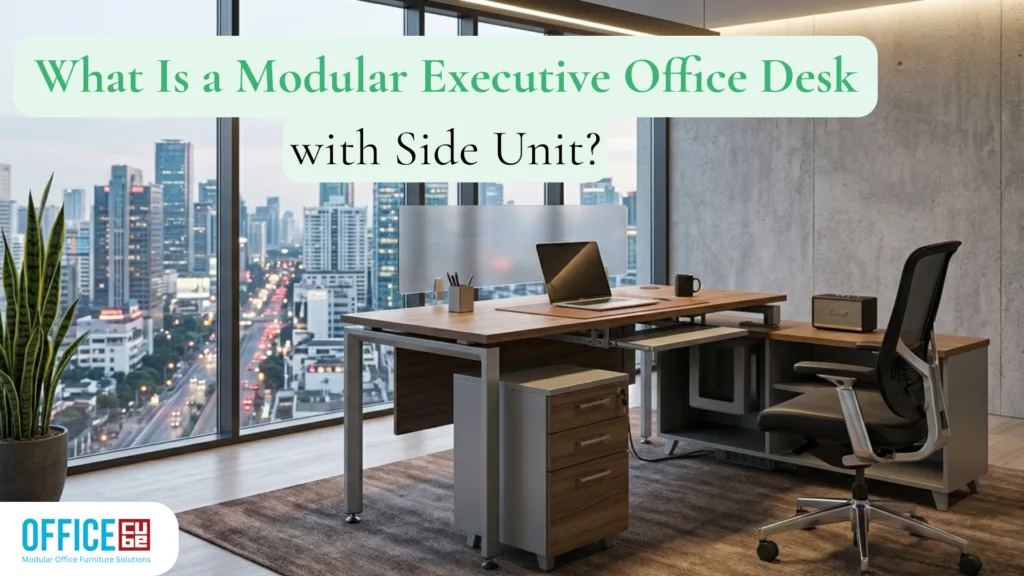
Understanding Modular Office Furniture
What Does “Modular” Really Mean?
When people hear the word modular, they often imagine something complex or overly technical, but in reality, it’s surprisingly simple—and incredibly practical. Modular furniture refers to pieces that are designed in separate sections or “modules” that can be arranged, rearranged, or expanded depending on your needs. Think of it like building blocks for your workspace. Instead of committing to a fixed desk that stays the same forever, modular systems allow you to adapt your office layout as your work evolves.
In the context of office furniture, modularity brings a level of flexibility that traditional desks simply can’t compete with. You can start with a basic desk and later add storage cabinets, side units, or even additional work surfaces without replacing the entire setup. This is especially useful in dynamic work environments where roles, responsibilities, and workflows frequently change.
Another important aspect is scalability. A modular executive office desk with side unit can grow alongside your business or personal needs. Whether you’re expanding your team or just need more storage for documents, the modular design ensures that you’re not locked into a single configuration. You can reconfigure components to better suit your workflow, making your workspace more efficient and personalized.
From a design perspective, modular furniture also offers a cleaner and more cohesive look. Since all components are designed to fit together seamlessly, you avoid the mismatched appearance that often comes from combining different furniture pieces. This is particularly important in executive settings where aesthetics play a crucial role in creating a professional impression.
Why Modular Designs Are Gaining Popularity
Over the past decade, there’s been a noticeable shift toward modular office solutions, and it’s not just a passing trend. One of the main reasons behind this surge in popularity is the growing demand for flexibility in modern workplaces. With remote work, hybrid models, and evolving job roles becoming the norm, people need furniture that can adapt quickly without requiring a complete overhaul.
Cost efficiency is another major factor. Instead of investing in entirely new furniture every time your needs change, modular systems allow you to upgrade or expand incrementally. This approach not only saves money but also reduces waste, making it a more sustainable choice. According to industry insights, businesses that adopt modular office furniture can reduce long-term furnishing costs by up to 30%, simply by reusing and reconfiguring existing components.
There’s also a strong focus on ergonomics and productivity. Modular designs often incorporate features that promote better posture, easier access to tools, and improved organization. When everything you need is within reach—and arranged in a way that makes sense for your workflow—you naturally become more efficient.
Aesthetically, modular furniture aligns well with contemporary design trends. Clean lines, minimalist structures, and customizable finishes make it easy to create a workspace that reflects your personal or brand identity. Whether you prefer a sleek modern look or a more traditional executive style, modular systems can be tailored to match.
Finally, the ease of assembly and reconfiguration cannot be overlooked. Unlike traditional heavy desks that are difficult to move, modular units are designed for convenience. You can rearrange your office layout without needing professional help, which is a huge advantage in fast-paced environments.
Defining an Executive Office Desk
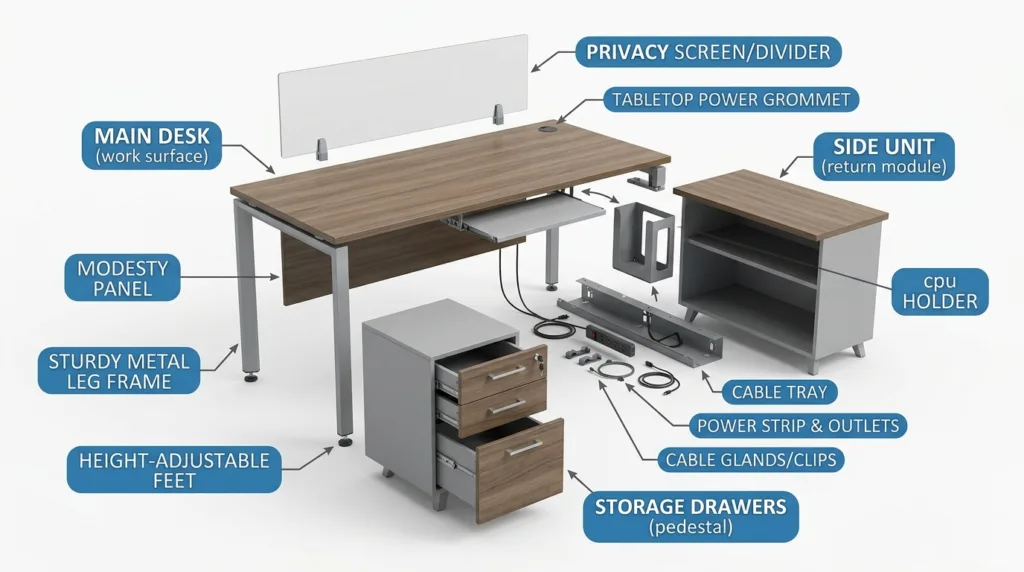
Key Features of Executive Desks
An executive office desk is more than just a place to put your laptop—it’s a statement piece that reflects authority, professionalism, and functionality. Typically larger and more sophisticated than standard desks, executive desks are designed to accommodate a wide range of tasks while also enhancing the overall look of an office.
One of the most noticeable features is size. Executive desks are usually spacious, offering ample surface area for multiple monitors, documents, and office accessories. This makes them ideal for individuals who handle complex tasks that require organization and multitasking. The generous workspace also allows for a more comfortable and less cluttered environment, which can significantly improve productivity.
Storage is another defining characteristic. Most executive desks come equipped with built-in drawers, cabinets, and sometimes even locking compartments. These features are essential for keeping important documents secure and easily accessible. In many cases, the storage components are seamlessly integrated into the desk design, maintaining a clean and professional appearance.
Material quality also sets executive desks apart. They are often made from high-end materials such as solid wood, engineered wood with premium finishes, metal accents, or even glass. These materials not only enhance durability but also contribute to the desk’s aesthetic appeal.
Ergonomics plays a crucial role as well. Many executive desks are designed with user comfort in mind, offering features like adjustable heights, keyboard trays, and cable management systems. This ensures that long hours at the desk don’t lead to discomfort or strain.
How Executive Desks Differ from Standard Desks
At first glance, you might think all desks serve the same purpose—but the difference between an executive desk and a standard desk is quite significant. It’s not just about size or appearance; it’s about functionality, design philosophy, and the overall user experience.
Standard desks are typically designed for basic tasks. They’re compact, straightforward, and often lack the advanced features found in executive models. While they may be suitable for casual use or smaller spaces, they don’t offer the same level of versatility or presence.
Executive desks, on the other hand, are built with a broader scope in mind. They cater to professionals who need a comprehensive workspace that supports multiple activities—from meetings and presentations to focused individual work. The inclusion of additional components like side units, return desks, and integrated storage systems makes them far more adaptable.
Another key difference is the visual impact. Executive desks are designed to impress. Whether it’s a sleek modern design or a classic wooden finish, these desks serve as focal points in an office. They convey a sense of leadership and professionalism that standard desks simply can’t match.
Durability is also a factor. Executive desks are built to last, often using higher-quality materials and construction techniques. This makes them a long-term investment rather than a temporary solution.
Ultimately, the choice between a standard desk and an executive desk comes down to your needs and the image you want to project. If you’re looking for a workspace that combines functionality, comfort, and style, an executive desk—especially a modular one with a side unit—is hard to beat.
What Is a Side Unit in Office Furniture?
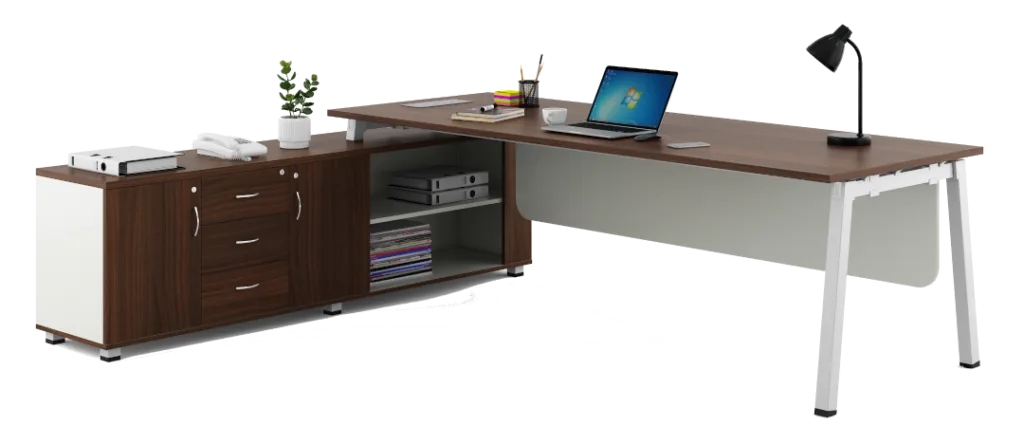
Types of Side Units
A side unit in office furniture might sound like a minor add-on, but in reality, it plays a major role in how efficient and organized your workspace feels. Think of it as the supporting actor that quietly enhances the performance of the main desk. A side unit is typically an attached or adjacent component that extends the functionality of a desk, often positioned to the left or right side depending on the layout.
There isn’t just one kind of side unit—there are several variations, each designed with a specific purpose in mind. One of the most common types is the storage credenza, a low cabinet that sits beside or behind the desk. It usually includes shelves, drawers, or compartments for storing files, office supplies, or even decorative items. Then there’s the mobile pedestal, a smaller, movable unit with drawers that can slide under the desk or be repositioned as needed.
Another popular option is the return desk unit, which forms an L-shaped configuration with the main desk. This type of side unit essentially adds an extra work surface, making it perfect for multitasking or handling multiple projects at once. Some setups also include hutch-style side units, which extend vertically and provide overhead storage, combining both horizontal and vertical space utilization.
Each type of side unit serves a unique function, and the choice often depends on how you work. Do you deal with a lot of paperwork? A filing cabinet-style side unit might be your best bet. Need extra surface space? A return unit could transform your workflow. The beauty of modular executive desks is that you’re not limited to one type—you can mix and match components to create a setup that truly fits your needs.
Functional Benefits of Side Units
Now, let’s talk about why side units are more than just optional extras—they’re actually game-changers in a well-designed office. One of the most immediate benefits is enhanced organization. With dedicated spaces for documents, supplies, and personal items, you can keep your main desk surface clutter-free. And let’s be honest, a clean workspace isn’t just visually appealing—it directly impacts how clearly you think and how efficiently you work.
Another major advantage is improved workflow. Imagine having everything you need within arm’s reach without constantly getting up or digging through piles of papers. Side units allow you to create zones within your workspace—one area for your computer, another for paperwork, and another for storage. This kind of layout reduces unnecessary movement and helps you stay focused.
There’s also the benefit of increased workspace. Certain side units, like return desks, effectively double your working area. This is especially useful for professionals who juggle multiple tasks or need space for meetings, writing, and digital work all at once. It’s like having a mini command center right at your fingertips.
Security is another often-overlooked advantage. Many side units come with lockable drawers or cabinets, allowing you to store sensitive documents safely. This is particularly important in executive roles where confidentiality is crucial.
Finally, side units contribute to the overall aesthetic balance of your office. Instead of a standalone desk that looks isolated, the addition of a side unit creates a more cohesive and complete setup. It gives your workspace a polished, professional look that reflects attention to detail and thoughtful design.
Components of a Modular Executive Desk with Side Unit
Main Desk Structure
At the heart of any modular executive office desk with side unit lies the main desk structure—the central hub where most of your work happens. This isn’t just a flat surface with four legs; it’s a carefully designed component that balances form and function. The main desk is typically larger than standard desks, offering ample space for computers, documents, and daily tasks.
What makes it truly stand out in a modular setup is its adaptability. The main desk is often designed with connection points that allow additional modules—like side units or storage cabinets—to be attached seamlessly. This means you’re not stuck with a fixed layout. Instead, you can expand or reconfigure your workspace as your needs evolve.
Another key feature is ergonomic design. Many modern executive desks include thoughtful elements like curved edges, adjustable heights, and integrated keyboard trays. These features are not just about comfort—they’re about maintaining productivity over long hours. After all, a desk that supports your posture can make a huge difference in how you feel at the end of the day.
Material choice also plays a big role. Whether it’s rich wood finishes for a classic look or sleek laminates for a modern vibe, the main desk sets the tone for the entire office. It’s the centerpiece that ties everything together.
Storage and Filing Units
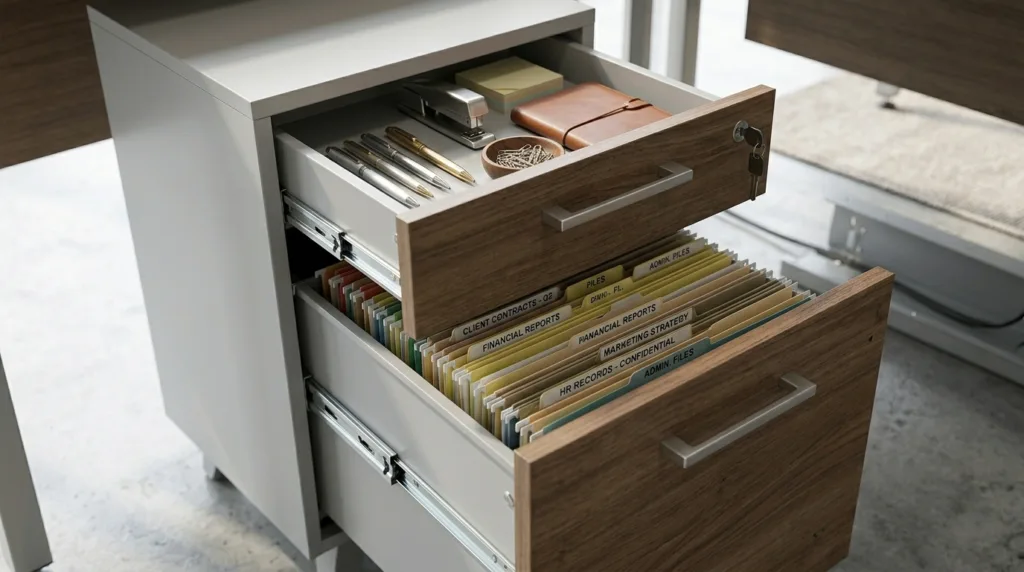
Storage is where the modular aspect really shines. A modular executive office desk with side unit often includes a variety of storage components that can be customized to fit your specific needs. These might include filing cabinets, drawers, shelves, and even hidden compartments.
One of the biggest advantages here is customization. You can choose the type and number of storage units based on your workflow. For example, if you handle a lot of paperwork, you might prioritize filing cabinets with easy access. If your work is more digital, you might opt for fewer drawers and more open space.
Another important aspect is organization efficiency. With designated spaces for different items, you spend less time searching and more time working. Everything has its place, which reduces clutter and improves focus.
Many storage units are also designed with security in mind. Lockable drawers ensure that sensitive documents remain protected, which is essential in executive environments.
Connectivity and Cable Management
In today’s tech-driven world, a desk isn’t complete without proper connectivity and cable management. This is one area where modular executive desks truly excel. They often come equipped with built-in cable channels, grommets, and power outlets that keep wires organized and out of sight.
Why does this matter? Because a tangled mess of cables isn’t just unsightly—it can also be distracting and even hazardous. Good cable management creates a cleaner, safer workspace, allowing you to focus on your tasks without visual clutter.
Some advanced setups even include integrated charging stations or USB ports, making it easier to keep your devices powered throughout the day. This kind of functionality reflects how modern workspaces are evolving to meet the demands of technology.
Key Benefits of Modular Executive Office Desks
Flexibility and Customization
If there’s one word that perfectly captures the essence of a modular executive office desk with side unit, it’s flexibility. Unlike traditional desks that come as a single, unchangeable piece, modular systems are designed to adapt. You can add, remove, or rearrange components based on your needs, making it a highly personalized solution.
This level of customization is particularly valuable in dynamic work environments. Maybe you start with a simple setup, but as your responsibilities grow, you need more storage or workspace. Instead of replacing your entire desk, you can simply add a side unit or an extra module.
It’s also ideal for people who like to refresh their workspace from time to time. Rearranging modules can give your office a completely new look without any additional cost.
Space Optimization
Another standout benefit is space optimization. Modular executive desks are designed to make the most of available space, whether you’re working in a large office or a compact home setup. By combining multiple functions into a single integrated system, they eliminate the need for separate furniture pieces.
For example, instead of having a separate desk, filing cabinet, and storage shelf, you can have all these elements combined into one cohesive unit. This not only saves space but also creates a more organized and visually appealing environment.
In smaller offices, this can be a game-changer. Every square foot counts, and a well-designed modular desk ensures that no space is wasted.
Materials and Design Styles
Common Materials Used
When you’re choosing a modular executive office desk with side unit, the materials used aren’t just about looks—they directly impact durability, maintenance, and even how your workspace feels day to day. Think about it this way: your desk is something you interact with for hours every single day, so the texture, finish, and sturdiness all matter more than you might initially expect.
One of the most popular materials is engineered wood, often finished with laminate or veneer. It offers a great balance between affordability and durability, making it a go-to choice for many modern offices. High-pressure laminates, in particular, are resistant to scratches, stains, and heat, which is ideal if your desk sees heavy daily use. On the other end of the spectrum, solid wood—like oak, walnut, or mahogany—brings a sense of luxury and timeless appeal. It’s heavier, more expensive, but undeniably elegant, often associated with traditional executive offices.
Metal components are also commonly used, especially in the desk’s frame or legs. Steel or aluminum adds structural strength and gives the desk a more contemporary, industrial look. Meanwhile, glass elements—often used in tabletops or accents—can create a sleek, modern aesthetic, though they do require more careful maintenance to keep fingerprints and smudges at bay.
Here’s a quick comparison to make things clearer:
| Material | Durability | Cost Range | Aesthetic Style | Maintenance |
| Engineered Wood | High | Moderate | Modern/Versatile | Easy |
| Solid Wood | Very High | High | Classic/Executive | Moderate |
| Metal | Very High | Moderate | Industrial/Modern | Easy |
| Glass | Moderate | Moderate | Sleek/Contemporary | High |
The choice ultimately comes down to your priorities. If you want something long-lasting and premium, solid wood might be worth the investment. If you’re aiming for a practical yet stylish setup, engineered wood with metal accents could be the sweet spot. Either way, the modular nature ensures that all materials blend seamlessly across the desk and side units, maintaining a cohesive look.
Popular Design Trends
Office furniture design has evolved dramatically, and modular executive desks with side units are right at the center of this transformation. Gone are the days when executive desks were bulky, overly ornate, and fixed in one place. Today’s designs are all about blending functionality with modern aesthetics.
One major trend is minimalism. Clean lines, neutral colors, and clutter-free surfaces dominate modern office spaces. Modular desks fit perfectly into this trend because they allow you to hide storage within side units, keeping the main workspace sleek and open. It’s like having everything you need—just not all in plain sight.
Another growing trend is the L-shaped and U-shaped configurations, made possible by side units and return desks. These layouts maximize workspace while creating a sense of enclosure, which can help with focus. They’re especially popular among executives who handle multiple tasks simultaneously and need distinct zones within their desk setup.
There’s also a strong push toward ergonomic and wellness-focused design. Adjustable heights, curved edges, and user-friendly layouts are becoming standard features. Some modular desks even incorporate sit-stand capabilities, allowing users to switch positions throughout the day.
Color trends are shifting as well. While traditional dark wood tones still have their place, lighter finishes like white oak, ash, and even matte black are gaining popularity. These colors create a more open and modern feel, especially in smaller spaces.
Ultimately, the beauty of modular design is that it doesn’t lock you into a single trend. You can mix elements, update components, and evolve your workspace over time without starting from scratch.
Choosing the Right Modular Executive Desk

Factors to Consider Before Buying
Choosing the right modular executive office desk with side unit isn’t just about picking something that looks good in a catalog. It’s about finding a setup that genuinely supports how you work every day. So before you make a decision, it’s worth taking a step back and thinking through a few key factors.
First, consider your workspace size and layout. A large U-shaped desk might look impressive, but if it overwhelms your office, it can actually make the space feel cramped. Measure your room carefully and think about how the desk will fit alongside other furniture. Modular desks give you flexibility, but you still need a solid starting plan.
Next, think about your workflow. Do you spend most of your time on a computer, or do you handle a lot of paperwork? If it’s the latter, you’ll likely need more storage and filing options in your side unit. If you’re more digitally focused, you might prioritize open space and cable management instead.
Another important factor is storage needs. It’s easy to underestimate how much storage you actually require. Take inventory of what you use daily—documents, devices, office supplies—and ensure your desk setup can accommodate them without clutter.
Don’t overlook material and build quality either. A desk is a long-term investment, so it’s worth choosing something that can withstand daily wear and tear. Pay attention to finishes, hardware, and overall construction.
Finally, consider future scalability. One of the biggest advantages of modular furniture is the ability to expand. Choose a system that allows you to add components later, whether it’s extra storage, additional work surfaces, or new features.
Common Mistakes to Avoid
While modular desks offer incredible flexibility, there are a few common pitfalls that can undermine their benefits if you’re not careful. One of the biggest mistakes is overloading the setup with too many components. Just because you can add multiple side units doesn’t mean you should. An overly complex desk can become cluttered and difficult to navigate.
Another mistake is ignoring ergonomics. It’s easy to focus on aesthetics and forget about comfort, but a poorly designed workspace can lead to fatigue and even health issues over time. Make sure your desk height, chair, and layout all support good posture.
People also often overlook cable management. With so many devices in modern offices, messy cables can quickly become a problem. Choose a desk system that includes built-in solutions to keep everything organized.
A less obvious mistake is failing to plan for future changes. You might only need a simple setup now, but what about a year from now? Choosing a modular system that doesn’t allow for expansion can limit your options down the line.
Who Should Use a Modular Executive Desk with Side Unit?
A modular executive office desk with side unit isn’t just for CEOs sitting in corner offices—it’s a versatile solution that can benefit a wide range of professionals. That said, it’s not for everyone, and understanding who it’s best suited for can help you decide if it’s the right fit.
This type of desk is ideal for executives, managers, and business owners who need a comprehensive workspace. If your role involves juggling multiple responsibilities—meetings, paperwork, digital tasks—having a desk that supports all these activities in one place can make a huge difference.
It’s also a great choice for remote workers and home office users who want to create a professional-grade setup. With more people working from home than ever before, the line between personal and professional spaces has blurred. A modular executive desk helps establish a dedicated workspace that boosts productivity and focus.
Creative professionals—like designers, writers, and consultants—can also benefit from the flexibility. The ability to reconfigure the desk and add components as needed makes it easier to adapt to different projects and workflows.
However, if you have very limited space or only need a simple setup for occasional use, a modular executive desk might be more than you need. It’s a powerful solution, but it shines most in environments where its flexibility and features are fully utilized.
Conclusion
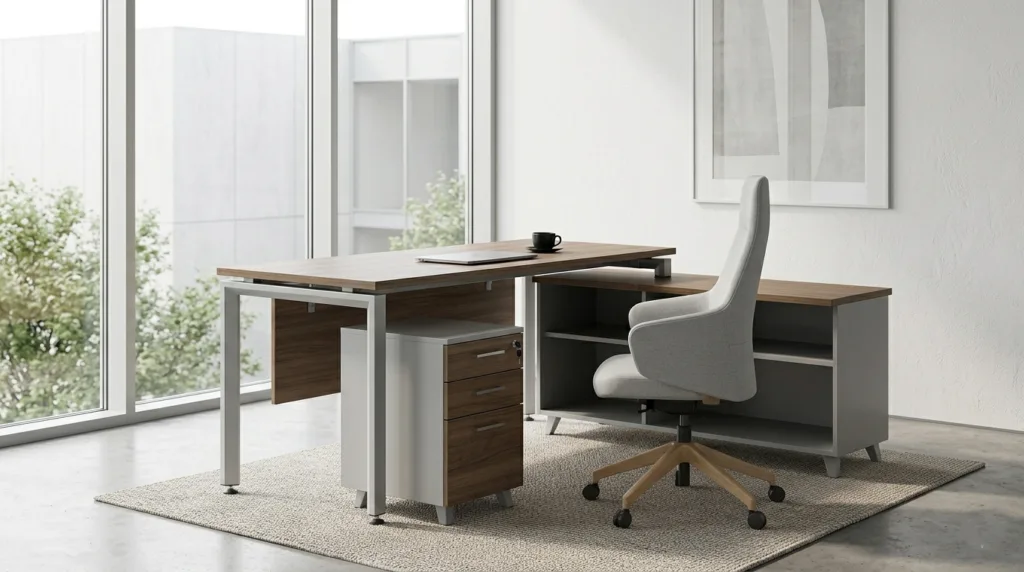
A modular executive office desks with side units is more than just a piece of furniture—it’s a dynamic workspace solution designed to adapt, grow, and support the way you work. By combining the sophistication of an executive desk with the flexibility of modular design and the functionality of side units, it creates an environment that’s both efficient and visually appealing.
What makes it stand out is its ability to evolve. Whether you’re expanding your responsibilities, reorganizing your office, or simply looking for a better way to stay organized, this type of desk offers the versatility to keep up with your needs. It’s not about having more furniture—it’s about having smarter furniture.
FAQs
1. What is the main advantage of a modular executive desk with a side unit?
The biggest advantage is flexibility. You can customize and expand the desk setup as your needs change, making it a long-term and cost-effective solution.
2. Can I rearrange the side unit after installation?
Yes, most modular systems are designed for easy reconfiguration, allowing you to move or adjust side units as needed.
3. Is a modular executive desk suitable for small offices?
It can be, especially if you choose a compact configuration. Modular designs are great for optimizing limited space.
4. Are these desks expensive compared to regular desks?
They can be more expensive initially, but their scalability and durability often make them more cost-effective over time.
5. Do modular desks require professional installation?
Not always. Many systems are designed for easy assembly, though larger setups may benefit from professional help.