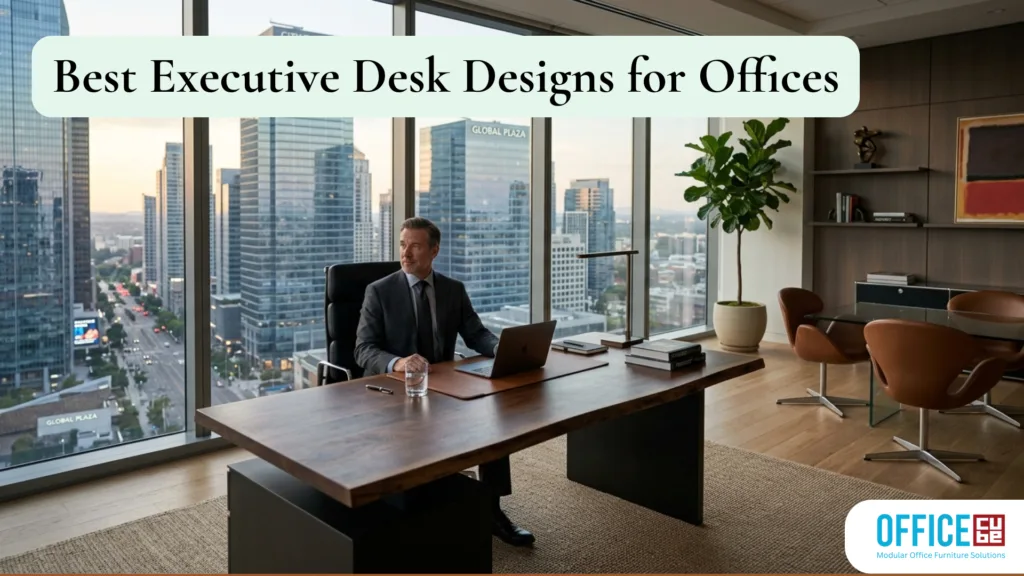
Why Executive Desks Matter in Modern Offices
Walk into any office, and the executive desk immediately tells a story. It’s not just a piece of furniture—it’s a statement of authority, personality, and professionalism. Think about it: when someone enters an executive office, where do their eyes land first? Almost always, it’s the desk. That large, thoughtfully designed centerpiece sets the tone for everything from meetings to decision-making.
In today’s evolving workplace, executive desks have gone beyond bulky wooden tables. They’ve become smarter, sleeker, and more adaptable to modern needs. According to recent workspace design trends, over 68% of professionals believe office aesthetics directly impact productivity and confidence. That’s not surprising. A well-designed executive desk can boost focus, enhance workflow, and even influence how others perceive leadership.
But it’s not just about appearances. Functionality plays an equally critical role. Executives juggle multiple responsibilities—meetings, digital work, paperwork—and their desks need to support all of that seamlessly. A poorly designed desk can lead to clutter, discomfort, and inefficiency, which no leader can afford.
There’s also a psychological angle here. A strong, organized workspace fosters clarity of thought. Imagine sitting behind a desk that feels chaotic versus one that feels intentionally designed. Which one would help you think better? Exactly.
Executive desks are evolving to meet hybrid work demands too. With remote meetings, multiple monitors, and constant connectivity, desks now need built-in tech integration. It’s no longer optional—it’s essential.
So, choosing the right executive desk isn’t just about furniture shopping. It’s about creating an environment that supports leadership, productivity, and presence.
Balancing Style and Functionality
Here’s where things get interesting—and tricky. You want a desk that looks impressive, but you also need one that actually works for you. It’s like buying a luxury car; it should turn heads, but it also needs to drive smoothly.
Style and functionality often feel like they’re pulling in opposite directions. A sleek glass desk might look stunning, but is it practical for daily use? On the flip side, a heavy wooden desk might offer tons of storage but feel outdated or bulky. The key is finding that sweet spot where aesthetics meet usability.
Modern executive desks are increasingly designed with this balance in mind. Designers are blending materials—wood with metal, glass with engineered surfaces—to create pieces that are both visually appealing and highly functional. You’ll find desks with hidden compartments, cable management systems, and modular components that adapt to your needs.
Another important factor is personalization. Your desk should reflect your working style. Are you someone who thrives on minimalism, with just a laptop and a notebook? Or do you need multiple drawers, files, and accessories within reach? There’s no one-size-fits-all answer here.
Lighting, color, and texture also play a role. Dark wood conveys authority and tradition, while lighter finishes feel modern and approachable. Matte surfaces reduce glare, which is especially helpful if you’re working long hours on screens.
At the end of the day, the best executive desk is one that feels like an extension of you. It should support your workflow without getting in your way, all while making a strong visual statement.
Key Features of a High-Quality Executive Desk
Materials and Durability
When it comes to executive desks, materials are everything. They don’t just determine how the desk looks—they define how long it lasts and how it performs under daily use. Imagine investing in a desk that starts showing wear within months. That’s not just frustrating; it’s a poor investment.
Solid wood remains a top choice for executive desks, and for good reason. It’s durable, timeless, and exudes a sense of authority. Woods like oak, walnut, and mahogany are particularly popular because they combine strength with rich aesthetics. However, they can be expensive, which leads many buyers to explore alternatives.
Engineered wood and MDF (medium-density fiberboard) have come a long way in recent years. High-quality versions offer impressive durability and can mimic the appearance of solid wood at a fraction of the cost. Metal frames are also gaining popularity, especially in modern designs, as they add stability and a contemporary edge.
Glass is another material that’s often used in executive desks, but it comes with trade-offs. While it looks sleek and modern, it requires regular cleaning and may not be as durable as other materials. Tempered glass is a safer option if you’re considering this style.
Durability isn’t just about materials—it’s also about construction. Look for desks with strong joints, smooth finishes, and high-quality hardware. Drawers should glide effortlessly, and surfaces should resist scratches and stains.
In essence, the best executive desk is built to withstand years of use without losing its appeal. It’s an investment, not a temporary solution.
Storage and Organization
Let’s be honest—no matter how digital we become, physical storage still matters. Documents, gadgets, office supplies—they all need a place. That’s where a well-designed executive desk truly shines.
A cluttered desk can quickly derail productivity. Studies suggest that cluttered workspaces can reduce efficiency by up to 20%, which is a significant impact over time. Executive desks are designed to combat this with smart storage solutions.
Drawers are the most obvious feature, but not all drawers are created equal. Deep file drawers, lockable compartments, and soft-close mechanisms add both convenience and security. Some desks even include hidden compartments, which are perfect for keeping valuables or sensitive documents out of sight.
Cable management is another critical aspect of organization. With multiple devices—laptops, monitors, chargers—cables can quickly become a tangled mess. Modern executive desks often include built-in cable routing systems, keeping everything neat and accessible.
Shelving and modular add-ons are also worth considering. They provide additional space without overcrowding the desk surface. Some designs even integrate vertical storage, making the most of limited space.
Ultimately, the goal is to create a workspace where everything has its place. When your desk is organized, your mind follows suit. And in a high-pressure executive role, that clarity can make all the difference.
Popular Executive Desk Styles
Traditional Executive Desks
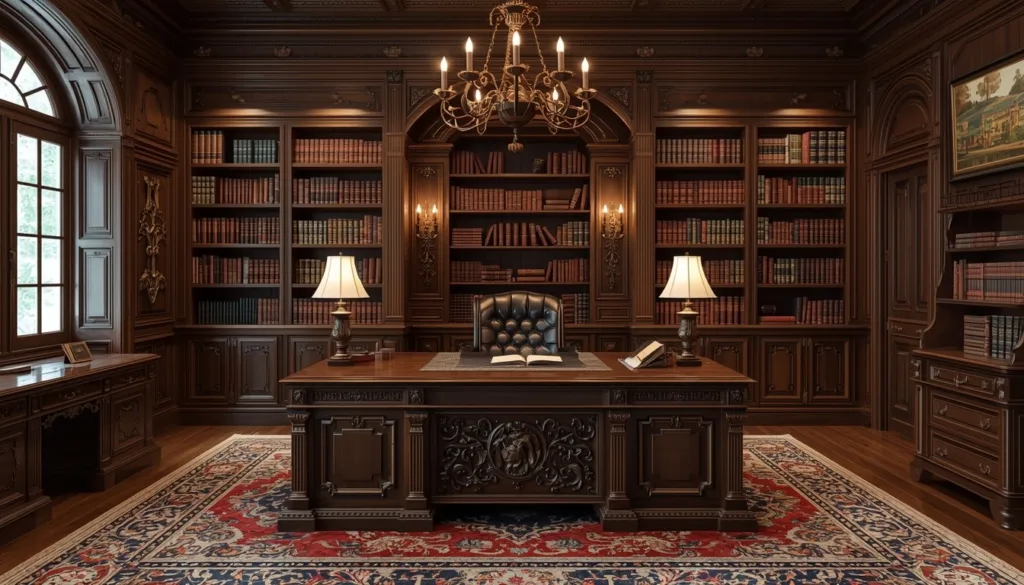
There’s something undeniably powerful about a traditional executive desk. The moment you see one—rich wood tones, intricate carvings, and a commanding presence—you instantly associate it with authority and legacy. These desks have been a staple in corporate offices for decades, and despite the rise of modern design trends, they continue to hold their ground.
Traditional executive desks are typically crafted from solid hardwoods like mahogany, cherry, or oak, giving them both durability and a timeless aesthetic. The craftsmanship often includes detailed paneling, brass hardware, and a polished finish that reflects prestige. It’s the kind of desk that doesn’t just sit in a room—it anchors it.
But beyond the visual appeal, these desks are incredibly functional. They usually come with multiple drawers, built-in cabinets, and expansive surfaces, making them ideal for executives who handle a mix of paperwork and digital tasks. If your workflow involves reviewing documents, signing contracts, or managing files, this style offers the space and organization you need.
That said, traditional desks do have their drawbacks. They can be bulky and may not fit well in smaller or modern office spaces. They also tend to be more expensive due to the materials and craftsmanship involved. However, if you’re aiming for a classic, authoritative office vibe, the investment often feels justified.
Think of a traditional executive desk like a tailored suit—it may not be trendy, but it never goes out of style. It communicates confidence, stability, and professionalism without saying a word.
Modern Minimalist Desks
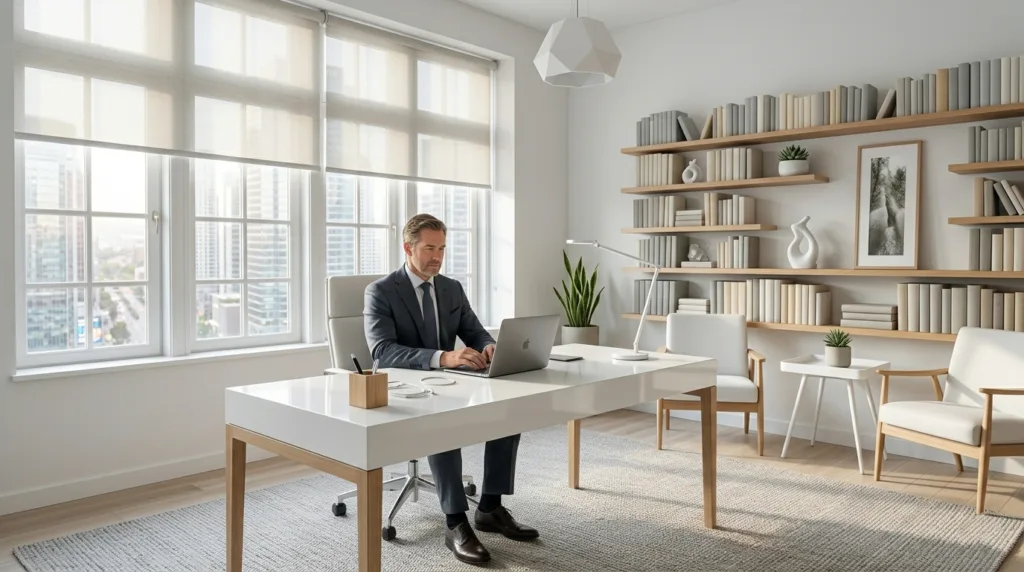
On the opposite end of the spectrum, modern minimalist desks are all about simplicity, efficiency, and clean aesthetics. If traditional desks are like classic suits, minimalist desks are like smart casual wear—sleek, functional, and perfectly suited for today’s fast-paced work environment.
These desks typically feature clean lines, neutral colors, and a clutter-free design. Materials often include engineered wood, metal, and sometimes glass, creating a lightweight and contemporary look. The focus here is on “less is more,” which resonates strongly with modern professionals who prefer a streamlined workspace.
One of the biggest advantages of minimalist desks is how well they adapt to smaller spaces. Whether you’re working in a compact office or a home setup, these desks fit in effortlessly without overwhelming the room. They also encourage better organization because they limit unnecessary storage, forcing you to keep only what’s essential.
However, this simplicity can be a double-edged sword. If your work requires extensive storage or multiple devices, a minimalist desk might feel restrictive. That’s why many modern designs now incorporate hidden storage compartments and smart cable management systems, blending minimalism with practicality.
Minimalist desks also align well with digital workflows. With fewer distractions on your desk, it becomes easier to focus on what truly matters. It’s almost like giving your mind a blank canvas to work on.
In a world where distractions are everywhere, a minimalist executive desk offers a refreshing sense of clarity and control.
L-Shaped and U-Shaped Desks
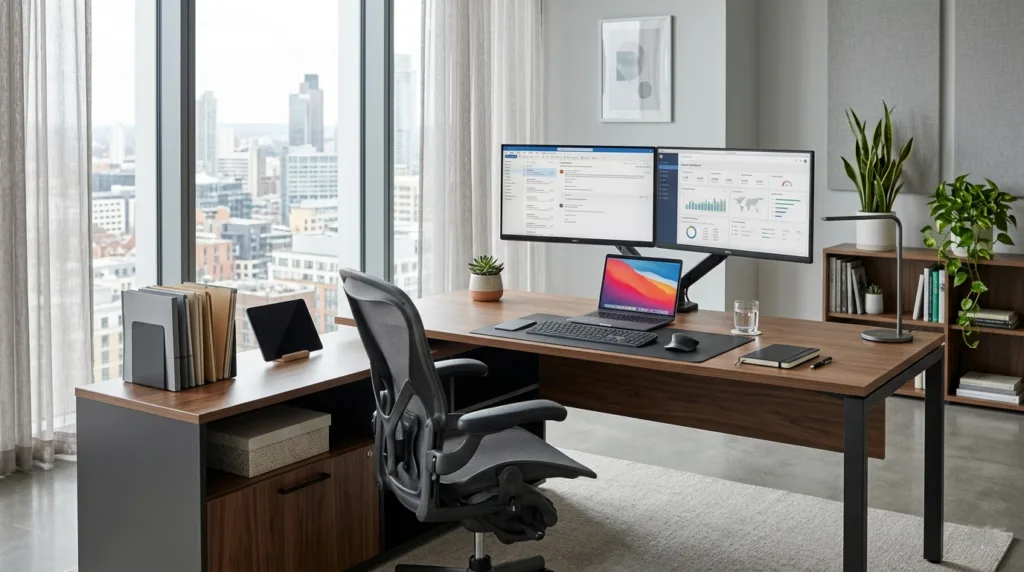
If you’re someone who needs space—lots of it—then L-shaped and U-shaped executive desks are worth considering. These designs are built for productivity, offering expansive work surfaces and a high level of organization.
An L-shaped desk is perfect for corner spaces, making efficient use of available room while providing two connected work areas. This setup is ideal if you need to switch between tasks, like working on a computer on one side and handling paperwork on the other. It creates a natural workflow that reduces unnecessary movement.
On the other hand, a U-shaped desk takes things to the next level. With three connected surfaces, it surrounds you with workspace, giving you everything within arm’s reach. This design is particularly लोकप्रिय among executives who manage multiple projects or require constant access to various tools and documents.
These desks often come with built-in storage, shelving, and even integrated technology features. They’re designed to handle complex workflows without feeling cluttered. However, they do require a larger office space, which might not be feasible for everyone.
Another advantage is how these desks enhance productivity. By creating distinct zones for different tasks, they help you stay organized and focused. It’s like having multiple workstations in one cohesive setup.
That said, you’ll need to plan your office layout carefully. Placement, lighting, and accessibility all play a role in making the most of these designs. But once set up correctly, they can transform your workspace into a highly efficient command center.
Choosing the Right Desk for Your Office Space
Considering Office Size and Layout
Choosing the perfect executive desk isn’t just about style—it’s about fit. And by fit, we’re not talking about aesthetics alone, but how well the desk integrates into your office space. Even the most beautiful desk can feel out of place if it overwhelms the room or disrupts the flow.
Start by evaluating the size of your office. A large, traditional executive desk might look impressive in a spacious room, but in a smaller office, it can feel cramped and restrictive. On the flip side, a compact minimalist desk might look lost in a large executive suite.
The layout also matters more than most people realize. Think about how you move within the space. Do you need easy access to cabinets, meeting areas, or windows? Your desk placement should support your daily routine, not complicate it.
Lighting is another crucial factor. Positioning your desk near natural light can improve mood and productivity, but you’ll also want to avoid glare on screens. This is where desk orientation and surface finish come into play.
You should also consider how your desk interacts with other furniture. Chairs, shelves, and storage units should complement the desk rather than compete with it. A well-planned layout creates a sense of balance and harmony, making the entire office feel more inviting.
Ultimately, the goal is to create a workspace that feels natural and efficient. When your desk fits your space perfectly, everything else falls into place.
Matching Desk with Interior Design
Your executive desk doesn’t exist in isolation—it’s part of a larger design story. Matching it with your office interior is what turns a functional workspace into a cohesive and visually appealing environment.
Start by identifying your office’s design theme. Is it modern, traditional, industrial, or something in between? Your desk should align with this theme to maintain consistency. For example, a sleek glass desk might look out of place in a room filled with classic wooden furniture.
Color coordination is another important aspect. Dark desks convey authority and sophistication, while lighter tones create a more open and relaxed atmosphere. Neutral colors are often a safe choice because they blend well with various design elements.
Textures and materials also play a role. Mixing materials—like wood and metal—can add depth and interest to your office design. However, too many contrasting elements can create visual clutter, so it’s important to strike the right balance.
Decor and accessories should complement the desk rather than overshadow it. Think of items like desk lamps, organizers, and artwork as supporting characters in your office design story.
At the end of the day, your desk should feel like it belongs in the space. When everything works together, your office becomes more than just a place to work—it becomes a reflection of your professional identity.
Ergonomics and Comfort in Executive Desks
Proper Desk Height and Posture
Comfort isn’t a luxury—it’s a necessity, especially when you’re spending long hours at your desk. An executive desk might look impressive, but if it’s not ergonomically designed, it can lead to discomfort and even long-term health issues.
The height of your desk plays a crucial role in maintaining proper posture. Ideally, your desk should allow your elbows to rest at a 90-degree angle while typing. This reduces strain on your shoulders and wrists, making it easier to work for extended periods.
Your chair and desk should work together as a unit. An adjustable chair can help you find the perfect sitting position, but the desk height needs to complement it. Some modern executive desks even come with adjustable height features, allowing you to switch between sitting and standing positions.
Posture is another key factor. Sitting upright with your back supported and feet flat on the floor can make a significant difference in how you feel throughout the day. A poorly designed desk can force you into awkward positions, leading to fatigue and discomfort.
Ergonomics also extends to monitor placement. Your screen should be at eye level to prevent neck strain. This might require additional accessories like monitor stands, but it’s worth the effort.
When your workspace supports your body, you’re not just more comfortable—you’re more productive. It’s a simple change with a big impact.
Integrating Technology and Cable Management
Modern executive desks need to do more than just hold your laptop—they need to support a fully connected workspace. From multiple monitors to charging stations, technology is an integral part of today’s offices.
Cable management is often overlooked, but it makes a huge difference. Tangled wires not only look messy but can also become a distraction. Many executive desks now feature built-in cable trays, grommets, and hidden compartments to keep everything organized.
Power access is another important consideration. Desks with integrated power outlets and USB ports make it easier to keep your devices charged without cluttering your workspace with अतिरिक्त adapters.
Technology integration also includes features like wireless charging pads and smart lighting. These additions might seem small, but they contribute to a more efficient and enjoyable work environment.
A well-designed desk should make technology feel seamless, not intrusive. When everything is organized and easily accessible, you can focus on your work without unnecessary distractions.
Custom vs. Ready-Made Executive Desks
Benefits of Custom Designs
There’s a certain appeal to having something built just for you. Custom executive desks take that idea and turn it into a fully personalized workspace experience. Instead of adjusting your workflow to fit a desk, a custom design adapts to your exact needs, preferences, and office layout.
One of the biggest advantages of custom desks is complete control over design and functionality. You get to choose everything—from the materials and finishes to the dimensions and storage features. Need extra-deep drawers for files? Prefer a hidden compartment for sensitive documents? Want a specific wood tone that matches your office perfectly? A custom desk makes all of that possible.
This level of personalization is especially valuable for executives with unique workflows. For example, if you frequently switch between digital work and paperwork, your desk can be designed with dedicated zones for each activity. It’s like building a workspace that thinks the way you do.
Custom desks also allow you to maximize your office space. Whether you’re working with an unusually shaped room or trying to create a specific layout, a made-to-order desk ensures every inch is used efficiently. This is particularly helpful in high-end offices where aesthetics and functionality must align perfectly.
However, customization does come with a higher price tag and longer lead times. You’re not just buying furniture—you’re investing in craftsmanship and design expertise. But for many professionals, the result is worth it: a desk that feels less like a product and more like a personal statement.
Think of it as the difference between off-the-rack and bespoke tailoring. One fits, the other fits perfectly.
Pros and Cons of Ready-Made Options
Not everyone needs—or wants—a custom-built desk. Ready-made executive desks offer a practical and often cost-effective alternative, without sacrificing too much in terms of style or functionality.
The biggest advantage here is convenience. You can browse, compare, and purchase a desk relatively quickly, often with immediate delivery. This is ideal if you’re setting up an office on a tight timeline or simply don’t want to wait weeks for a custom piece to be completed.
Ready-made desks also come in a wide variety of styles, from traditional to modern. Many manufacturers now design desks with versatility in mind, incorporating features like modular storage, cable management, and ergonomic elements. This means you can still find a desk that meets your needs without going fully custom.
Cost is another major factor. In general, ready-made desks are more affordable because they’re produced at scale. This makes them accessible to a broader range of buyers, from startups to established businesses looking to optimize their budget.
That said, there are limitations. You might not find the exact size, material, or configuration you’re looking for. Compromises are often part of the process. Additionally, the quality can vary depending on the manufacturer, so it’s important to do your research.
Here’s a quick comparison to put things into perspective:
| Feature | Custom Desk | Ready-Made Desk |
| Personalization | High | Limited |
| Cost | Expensive | Affordable |
| Delivery Time | Longer | Immediate/Short |
| Fit for Space | Perfect | Standard Sizes |
| Design Flexibility | Unlimited | Predefined |
Ultimately, the choice comes down to your priorities. If you value convenience and budget, ready-made desks are a solid option. If you’re looking for a tailored experience, custom designs are hard to beat.
Budget Considerations and Investment Value
Cost vs. Long-Term Value
When it comes to executive desks, price tags can vary dramatically. You might find options ranging from a few hundred dollars to several thousand. The question is—how do you decide what’s worth it?
It helps to think of an executive desk not as an expense, but as an investment in your productivity and professional image. A high-quality desk isn’t something you replace every year. In fact, a well-built desk can last a decade or more, making the initial cost easier to justify over time.
Cheaper desks might save you money upfront, but they often come with trade-offs. Lower-quality materials, कमजोर construction, and limited functionality can lead to wear and tear much sooner than expected. Before you know it, you’re back in the market looking for a replacement.
On the other hand, premium desks offer durability, better ergonomics, and enhanced features. These factors contribute to a more comfortable and efficient work environment, which can have a direct impact on your performance.
There’s also the intangible value of perception. A well-designed executive desk can influence how clients, colleagues, and partners view you. It’s part of your professional image, and in many cases, first impressions matter more than we’d like to admit.
That doesn’t mean you need to overspend. The key is to find a balance between quality and cost. Look for desks that offer solid construction, practical features, and a design that aligns with your needs.
In the long run, a good desk pays for itself—not just in durability, but in the value it adds to your daily work experience.
Affordable Yet Stylish Options
Not everyone has the budget for a high-end executive desk, and that’s perfectly fine. The good news is that you don’t need to spend a fortune to create a stylish and functional workspace.
Today’s market offers a wide range of budget-friendly executive desks that don’t compromise on design. Many of these desks use engineered wood, laminate finishes, and metal frames to achieve a modern look at a lower cost. While they may not have the same level of craftsmanship as premium options, they can still deliver excellent value.
One smart approach is to focus on essential features first. Do you need ample storage? Prioritize desks with drawers and shelves. Working with multiple devices? Look for built-in cable management. By identifying your core needs, you can avoid paying for features you don’t actually use.
Another tip is to consider modular furniture. Some desks allow you to add components over time, such as extra storage units or extensions. This lets you start with a basic setup and upgrade as your needs—and budget—grow.
Second-hand or refurbished desks can also be a hidden gem. Many high-quality desks are resold at a fraction of their original price, offering a فرصة to own premium furniture without the premium cost.
Style-wise, sticking to neutral colors and simple designs can help your desk blend seamlessly into your office. You can always enhance the look with accessories like lamps, organizers, or artwork.
At the end of the day, a great workspace isn’t about how much you spend—it’s about how well your desk supports your work. With a little research and smart choices, you can find an executive desk that looks impressive without stretching your budget.
Conclusion
Choosing the best executive desk for your office is more than just picking a piece of furniture—it’s about shaping the way you work every day. From traditional designs that exude authority to modern minimalist setups that promote clarity, the right desk can transform your workspace into something both functional and inspiring.
The key is to focus on what truly matters: comfort, durability, organization, and how well the desk fits your space and workflow. Whether you go for a custom-built masterpiece or a ready-made solution, the goal remains the same—to create an environment where productivity and professionalism thrive.
An executive desk isn’t just where work happens. It’s where ideas take shape, decisions are made, and goals turn into reality.
FAQs
1. What is the ideal size for an executive desk?
The ideal size depends on your office space and work requirements. Generally, executive desks range from 60 to 72 inches in width, providing enough room for both work and storage without overwhelming the space.
2. Are standing executive desks worth it?
Yes, especially if you spend long hours working. Adjustable standing desks can improve posture, reduce back pain, and increase energy levels throughout the day.
3. Which material is best for durability?
Solid wood like oak or mahogany is the most durable, but high-quality engineered wood with metal frames also offers excellent longevity at a lower cost.
4. How do I maintain my executive desk?
Regular cleaning, avoiding excessive moisture, and using protective mats can help maintain your desk’s appearance and durability over time.
5. Can I use an executive desk in a home office?
Absolutely. Many modern executive desks are designed to fit smaller spaces, making them suitable for home offices while still offering a professional look.