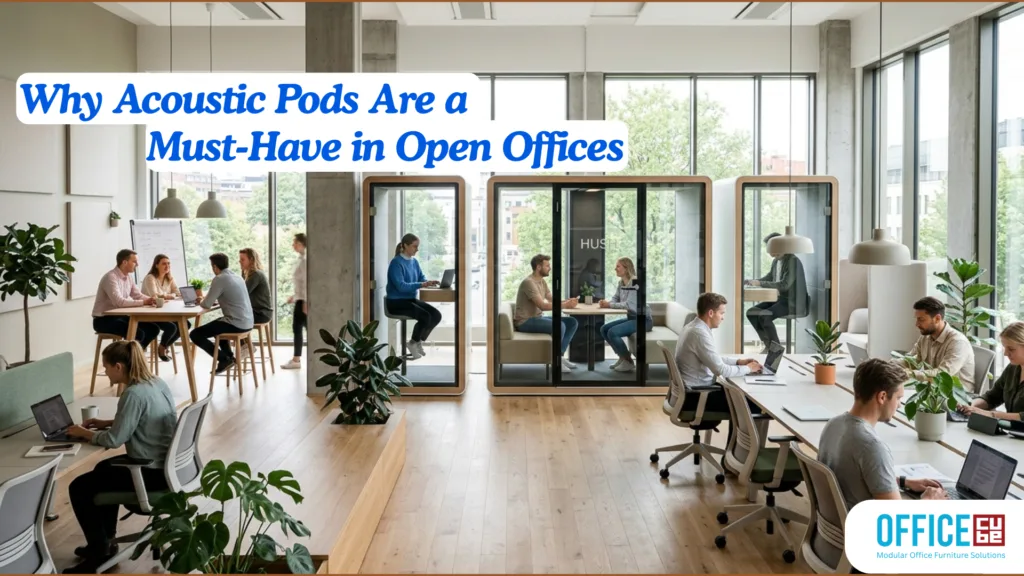
The Rise of Open Office Layouts
Evolution from Cubicles to Open Spaces
Walk into any modern workplace today, and you’ll likely notice the absence of tall cubicle walls and enclosed offices. Instead, you’re greeted by expansive, open layouts filled with shared desks, collaborative zones, and a constant hum of activity. This shift didn’t happen overnight. It evolved over decades as companies began questioning whether traditional cubicles were truly the best way to foster productivity and innovation. The cubicle, once hailed as a revolutionary design in the mid-20th century, gradually became associated with isolation and rigidity.
Organizations began experimenting with open layouts to break down barriers-both physical and social. The idea was simple: remove walls, and you remove hierarchy, encouraging communication and teamwork. Tech giants like Google and Facebook popularized this concept, showcasing vibrant workspaces where employees could interact freely. It wasn’t just about aesthetics; it was about culture. Open offices were seen as a way to create transparency, collaboration, and a sense of community.
However, while the intention was noble, the execution wasn’t always perfect. The removal of physical barriers also meant removing boundaries for noise, interruptions, and privacy. Over time, employees began to experience the unintended consequences of this design. What started as a bold innovation slowly revealed cracks, especially when it came to focus-intensive tasks. This is where the conversation around acoustic pods begins to gain momentum, offering a modern solution to a modern problem.
Benefits That Made Open Offices Popular
Open office layouts didn’t gain traction without reason. They brought a wave of perceived benefits that aligned perfectly with the fast-paced, collaborative nature of modern businesses. For starters, they significantly reduced real estate costs. Without the need for multiple enclosed offices, companies could accommodate more employees in less space, making it a financially attractive option.
Another major advantage was the ease of communication. In theory, removing walls meant employees could quickly share ideas, ask questions, and collaborate without the friction of formal meetings. This spontaneity was believed to spark innovation and creativity. Leaders also appreciated the visibility it offered, allowing them to stay connected with their teams and maintain a sense of transparency.
There was also a cultural element at play. Open offices symbolized a shift toward egalitarian workplaces where hierarchy was less visible. Sitting side by side, regardless of job title, created an environment that felt more inclusive and less intimidating. Companies used this setup to reinforce their brand as modern, flexible, and employee-friendly.
But here’s the twist: while these benefits looked great on paper, real-world experiences often told a different story. Studies began to show that open offices could actually reduce face-to-face interactions and increase digital communication as employees sought ways to cope with distractions. This paradox highlighted the need for a hybrid solution-something that could preserve the collaborative spirit of open spaces while addressing their shortcomings. Enter acoustic pods, the quiet heroes redefining workplace design.
The Hidden Downsides of Open Offices
Noise Pollution and Constant Distractions
Spend a single day in a busy open office, and you’ll quickly understand that noise isn’t just background-it’s a constant presence that competes for your attention. Conversations overlap, keyboards clatter, phones ring, and someone’s always on a call just a few feet away. It might feel manageable at first, but over time, this steady stream of sound becomes mentally exhausting. The human brain isn’t wired to ignore speech easily; in fact, it actively tries to process it, even when you’re focusing on something else. That means every nearby conversation pulls a slice of your attention away from your work.
Research backs this up. Studies have shown that noise distractions can reduce productivity by up to 66%, especially for tasks that require deep concentration. Think about writing a report, analyzing data, or coding-these are not activities you can do effectively while your brain is juggling multiple streams of input. The result? More mistakes, longer completion times, and growing frustration.
What makes it worse is the unpredictability of noise. Unlike consistent background sounds, like white noise, office chatter is irregular and harder to tune out. You never know when the next interruption will happen, so your brain stays in a semi-alert state, which drains energy quickly. Over time, this leads to cognitive fatigue, making even simple tasks feel overwhelming.
This is exactly where acoustic pods step in as a game-changer. Instead of trying to control the entire office environment-which is often unrealistic-these pods create pockets of quiet within the chaos. They offer employees a way to escape the noise without leaving the workspace entirely, restoring the ability to focus deeply when it matters most.
Lack of Privacy and Its Psychological Impact
Noise is only part of the problem. The other major issue with open offices is the near-total lack of privacy. Imagine trying to have a sensitive conversation, join a confidential meeting, or even just think through a complex problem while feeling like you’re constantly being observed. It’s not just uncomfortable-it can be mentally draining.
Humans naturally crave a balance between social interaction and personal space. When that balance is disrupted, it can lead to stress and decreased job satisfaction. Employees in open offices often report feeling exposed, as though they’re always “on display.” This can discourage them from speaking freely, sharing ideas, or even taking necessary breaks. Over time, this sense of exposure chips away at confidence and creativity.
There’s also a behavioral impact. When people feel they lack privacy, they tend to withdraw. Instead of having face-to-face conversations, they might resort to messaging apps—even when the person they need to talk to is just a few desks away. Ironically, the very design meant to encourage communication can end up doing the opposite.
Acoustic pods provide a practical solution to this issue by offering a private, enclosed space within the open office. Whether it’s for a quick phone call, a one-on-one meeting, or simply a moment to think, these pods give employees control over their environment. That sense of control is powerful-it reduces stress, boosts confidence, and allows people to work more authentically.
What Are Acoustic Pods?
Definition and Core Features
So, what exactly are acoustic pods, and why are they becoming such a staple in modern workplaces? At their core, acoustic pods are self-contained, sound-insulated units designed to create quiet, private spaces within open environments. Think of them as mini rooms that don’t require permanent construction. They’re typically modular, meaning they can be installed, moved, or reconfigured with minimal disruption.
The magic of acoustic pods lies in their design. They’re built with specialized materials that absorb and block sound, significantly reducing noise both inside and outside the pod. This creates a controlled acoustic environment where conversations remain private, and external distractions are minimized. Most pods also come equipped with ventilation systems, lighting, and power outlets, ensuring they’re not just quiet, but also comfortable and functional.
Another key feature is their versatility. Acoustic pods aren’t limited to one specific use. They can serve as phone booths, focus rooms, meeting spaces, or even relaxation zones. This flexibility makes them an attractive solution for companies looking to optimize their office layout without committing to expensive renovations.
From a design perspective, modern acoustic pods are sleek and aesthetically pleasing. They’re available in various sizes, colors, and finishes, allowing them to blend seamlessly into different office styles. This means companies don’t have to sacrifice visual appeal for functionality-a win-win situation.
Types of Acoustic Pods Available
Not all acoustic pods are created equal, and understanding the different types available can help businesses choose the right solution for their needs. Broadly speaking, acoustic pods can be categorized based on their size and intended use.
Single-person pods, often referred to as phone booths, are designed for individual use. They’re perfect for private calls, virtual meetings, or tasks that require intense focus. Despite their compact size, they’re engineered to provide excellent sound insulation, making them a popular choice in busy offices.
Then there are small meeting pods, which can accommodate two to four people. These are ideal for quick team discussions, brainstorming sessions, or client calls. They offer a level of privacy that’s hard to achieve in open spaces, without the need for booking a large conference room.
For larger teams, multi-person pods or modular meeting rooms provide a more spacious solution. These pods can host group meetings, workshops, or collaborative sessions while keeping noise contained. They’re especially useful in organizations that rely heavily on teamwork but still need to maintain a quiet overall environment.
Some advanced models even come with smart features like occupancy sensors, booking systems, and integrated technology for video conferencing. This makes them not just a physical solution, but a smart addition to the modern digital workplace.
Choosing the right type of pod depends on how your team works. Do they need quiet zones for deep work? Private spaces for calls? Collaborative areas for small groups? Understanding these needs is the first step toward creating a balanced and productive office environment.
How Acoustic Pods Solve Open Office Problems
Noise Reduction and Soundproofing Benefits
If open offices are like bustling cafés, then acoustic pods are the quiet corners where real thinking happens. The primary reason these pods have become indispensable is their ability to tackle noise-arguably the biggest flaw in open-plan environments. But here’s the thing: they don’t just “reduce” noise in a vague sense. They are engineered with precision to control sound in a way that transforms how people experience their workspace.
Acoustic pods use a combination of sound-absorbing materials, insulated panels, and airtight construction to minimize both incoming and outgoing noise. This means when you step inside a pod, the chaotic background fades into a soft hum, allowing your brain to finally relax into focus mode. At the same time, conversations inside the pod remain private, which is crucial for meetings, interviews, or sensitive discussions.
What’s fascinating is how this impacts cognitive performance. Studies in workplace psychology suggest that reducing noise distractions can improve task accuracy by up to 40%. That’s not a small bump-it’s a significant leap in efficiency. Imagine being able to complete a task in one focused session instead of constantly restarting due to interruptions. That’s the difference acoustic pods can make.
There’s also a subtle but powerful psychological effect. When employees know they have access to a quiet space, their stress levels drop-even if they don’t use it constantly. It’s like having noise-canceling headphones for the entire office. You might not always need them, but just knowing they’re there changes how you feel about your environment.
In essence, acoustic pods don’t just fight noise-they redefine how sound is experienced in the workplace. Instead of trying to silence an entire office (which is nearly impossible), they create pockets of calm where focus can thrive.
Creating Private, Focused Workspaces
Privacy in an open office often feels like a luxury, but acoustic pods turn it into a practical, everyday option. Think about how often employees need a space to concentrate deeply, have a confidential call, or simply take a break from constant visibility. Without designated private areas, they’re forced to improvise-booking meeting rooms for solo work or stepping outside for calls. It’s inefficient and, frankly, exhausting.
Acoustic pods solve this by offering on-demand privacy. You don’t need to plan ahead or reserve a large room. You simply step into a pod and instantly gain control over your environment. This ease of access is what makes them so effective. They remove friction from the process of finding focus, which means employees are more likely to actually use them.
There’s also a deeper layer to this: psychological safety. When people feel they have a private space, they’re more comfortable expressing ideas, asking questions, or engaging in meaningful conversations. This is especially important in diverse teams where not everyone feels equally confident speaking in open settings. Acoustic pods create a neutral ground where everyone has the same opportunity to be heard.
Another advantage is how they support deep work, a concept popularized by productivity experts. Deep work requires uninterrupted concentration, something that’s nearly impossible in a noisy, open environment. Acoustic pods make it achievable by eliminating the triggers that cause distraction. It’s like switching from a crowded highway to an empty road—you can finally move at full speed without constant stops.
In a way, acoustic pods act as a bridge between open collaboration and individual focus. They allow employees to choose how they work at any given moment, which is essential in today’s dynamic work culture.
Boosting Productivity with Acoustic Pods
Enhanced Focus and Deep Work
Let’s be honest-productivity isn’t just about working harder; it’s about working smarter. And that often comes down to one critical factor: focus. In open offices, focus is constantly under attack. Every notification, conversation, or movement in your peripheral vision competes for your attention. Over time, this fragmented focus leads to slower progress and lower-quality work.
This is where acoustic pods become a productivity powerhouse. By providing a distraction-free environment, they enable employees to enter a state of deep work, where concentration is sustained, and output is significantly higher. Think of it like diving underwater-once you’re fully submerged, the noise of the surface disappears, and everything becomes clearer.
What’s interesting is how this affects not just individual performance but team outcomes as well. When employees can complete tasks more efficiently, projects move faster, deadlines are met more consistently, and the overall workflow improves. It creates a ripple effect that benefits the entire organization.
There’s also a measurable impact on time management. Without constant interruptions, employees spend less time switching between tasks and more time actually completing them. This reduces the cognitive cost of context switching, which can eat up a surprising amount of time during the day.
And let’s not overlook the satisfaction factor. There’s a unique sense of accomplishment that comes from finishing a task without interruptions. Acoustic pods make that feeling more accessible, turning productivity from a struggle into a more natural and rewarding experience.
Reduced Stress and Cognitive Load
Productivity and stress are closely linked, and open offices often tip the balance in the wrong direction. The constant noise, lack of privacy, and frequent interruptions create a high cognitive load, meaning the brain has to work harder just to maintain focus. Over time, this leads to mental fatigue, decreased motivation, and even burnout.
Acoustic pods help reset this balance by reducing the mental effort required to stay focused. When you’re in a quiet, controlled environment, your brain doesn’t have to filter out irrelevant stimuli. This frees up mental resources that can be used for problem-solving, creativity, and decision-making.
There’s also a calming effect that comes with having a personal space, even if it’s temporary. Stepping into a pod can feel like hitting a reset button during a hectic day. It gives employees a chance to regroup, think clearly, and return to their tasks with renewed energy.
From an organizational perspective, this reduction in stress can have long-term benefits. Lower stress levels are associated with higher job satisfaction, better employee retention, and fewer sick days. In other words, investing in acoustic pods isn’t just about improving daily productivity-it’s about building a healthier, more sustainable work environment.
Improving Employee Well-being
Mental Health Benefits
Workplace design has a profound impact on mental health, even if it’s not always obvious. Open offices, despite their collaborative appeal, can sometimes feel overwhelming. The constant exposure to noise and activity can trigger stress responses, making it difficult for employees to relax and recharge during the day.
Acoustic pods offer a simple yet effective way to support mental well-being. By providing a quiet, private space, they give employees the opportunity to step away from the chaos and regain a sense of calm. This is especially important for individuals who are more sensitive to sensory input or who need periods of solitude to function at their best.
There’s also a sense of autonomy that comes with having access to these pods. Employees can choose when and how to use them, which fosters a feeling of control over their work environment. This autonomy is closely linked to higher job satisfaction and overall well-being.
In addition, acoustic pods can serve as safe spaces for activities like mindfulness, short breaks, or even decompressing after a challenging meeting. These small moments of recovery can make a big difference in how employees feel throughout the day.
Supporting Different Work Styles
Not everyone works the same way, and that’s something many office designs fail to acknowledge. Some people thrive in collaborative, high-energy environments, while others need quiet and solitude to do their best work. The challenge is creating a space that accommodates both without compromising either.
Acoustic pods provide that flexibility. They allow open offices to support a variety of work styles by offering both shared and private spaces within the same environment. Employees can move between these spaces depending on their needs, creating a more dynamic and adaptable workflow.
This is particularly important in diverse teams where individuals have different preferences, roles, and responsibilities. For example, a designer might need uninterrupted time to focus on creative work, while a sales representative might require a quiet space for client calls. Acoustic pods make it possible for both to coexist without conflict.
By supporting different work styles, these pods contribute to a more inclusive workplace. They recognize that productivity isn’t one-size-fits-all and that giving employees options is key to unlocking their full potential.
Acoustic Pods for Collaboration
Small Team Meetings Made Easy
At first glance, acoustic pods might seem like tools designed purely for isolation and quiet work, but that’s only half the story. In reality, they’re just as powerful when it comes to collaboration, especially for small teams. Open offices often struggle with this balance—there’s plenty of space to talk, but very few places where conversations can happen without disturbing others or being overheard. That’s where acoustic pods step in and quietly transform the way teams interact.
Imagine needing a quick brainstorming session with two or three colleagues. In a traditional open office, your options are limited: either talk at your desk and risk distracting everyone around you or try to book a meeting room that might already be occupied. Both scenarios create friction. Acoustic pods eliminate that friction by offering instant, accessible meeting spaces that don’t require planning or compromise.
These pods are designed to support collaboration without sacrificing privacy. Inside, team members can speak freely, share ideas, and even disagree openly without worrying about who might be listening. This sense of psychological safety is crucial for productive teamwork. When people feel secure, they’re more likely to contribute honestly and creatively.
Another advantage is efficiency. Because pods are typically smaller than conference rooms, they encourage more focused and purposeful meetings. There’s less room for distractions, fewer unnecessary participants, and a stronger sense of direction. It’s like the difference between a casual chat and a structured conversation—one tends to get results faster.
In essence, acoustic pods don’t just provide a place to meet; they improve the quality of those meetings. They make collaboration more intentional, more private, and ultimately more effective.
Encouraging Creative Thinking
Creativity doesn’t thrive in chaos—it needs the right balance of stimulation and calm. While open offices can provide energy and inspiration, they often lack the quiet moments necessary for ideas to fully develop. Acoustic pods fill this gap by creating an environment where creativity can breathe.
Think about how ideas usually form. They rarely appear fully developed in the middle of noise and distraction. Instead, they emerge when you have the space to think, reflect, and connect different pieces of information. Acoustic pods provide that space. Whether you’re sketching out a concept, drafting a proposal, or brainstorming with a colleague, the controlled environment allows your mind to wander productively.
There’s also an interesting psychological effect at play. Stepping into a pod can feel like entering a different zone-a mental shift that signals it’s time to focus or think differently. This change in environment can spark new perspectives and encourage out-of-the-box thinking. It’s similar to how people often get their best ideas while walking or sitting in a quiet café-the environment influences the mind.
For teams, this becomes even more powerful. A small group inside a pod can bounce ideas off each other without external interruptions, leading to deeper and more meaningful discussions. The absence of background noise allows everyone to fully engage, listen, and build on each other’s thoughts.
In a way, acoustic pods act as incubators for ideas. They provide the conditions needed for creativity to flourish, turning fleeting thoughts into actionable concepts.
Cost-Effectiveness and ROI
Comparison with Building Traditional Rooms
When companies consider improving privacy and noise control in open offices, one of the first ideas that comes to mind is building traditional enclosed rooms. While this approach can work, it often comes with significant drawbacks-high costs, long construction timelines, and a lack of flexibility. This is where acoustic pods present a compelling alternative.
Let’s break it down with a simple comparison:
| Feature | Acoustic Pods | Traditional Rooms |
| Installation Time | Quick (hours to days) | long (weeks to months) |
| Cost | Moderate upfront | High construction costs |
| Flexibility | Portable and reconfigurable | Permanent and fixed |
| Disruption | Minimal | High during construction |
| Scalability | Easy to add/remove | Difficult to modify |
The difference is clear. Acoustic pods offer a plug-and-play solution that avoids the complexities of construction. They can be installed without major renovations, meaning businesses don’t have to halt operations or deal with prolonged disruptions. This alone can save both time and money.
Another key advantage is flexibility. As companies grow or change, their office needs evolve. Traditional rooms are static-they can’t be easily moved or resized. Acoustic pods, on the other hand, can be relocated or replaced as needed. This adaptability makes them a future-proof investment.
From a financial perspective, the lower upfront cost combined with long-term usability makes acoustic pods a smart choice. They deliver many of the same benefits as permanent rooms but without the heavy commitment.
Long-Term Business Benefits
Beyond the initial cost savings, acoustic pods offer substantial long-term returns that go far beyond the balance sheet. One of the most significant benefits is improved productivity. As discussed earlier, reducing noise and distractions allows employees to work more efficiently, which directly impacts output and performance.
There’s also the matter of employee retention. A well-designed workspace that supports both collaboration and focus can make a big difference in how employees feel about their jobs. When people are comfortable and able to work effectively, they’re more likely to stay with the company. Considering the high cost of hiring and training new employees, this is a major advantage.
Another often-overlooked benefit is brand perception. Modern, thoughtfully designed offices signal that a company values innovation and employee well-being. Acoustic pods, with their sleek design and functionality, contribute to this image. They show that the organization is forward-thinking and willing to invest in better ways of working.
Finally, there’s scalability. As businesses grow, their needs change. Acoustic pods can be added, removed, or reconfigured to match those changes, ensuring the workspace remains aligned with organizational goals. This flexibility reduces the need for costly redesigns in the future.
In short, acoustic pods aren’t just an expense-they’re an investment in efficiency, well-being, and adaptability.
Choosing the Right Acoustic Pod
Key Features to Consider
Not all acoustic pods are created equal, and choosing the right one requires careful consideration. It’s not just about picking the most visually appealing option; it’s about finding a solution that truly meets your team’s needs.
One of the first things to look at is sound insulation performance. Different pods offer varying levels of noise reduction, so it’s important to choose one that aligns with your office environment. A busy, high-traffic office will require stronger soundproofing than a quieter space.
Ventilation is another critical factor. Since pods are enclosed, proper airflow is essential to ensure comfort during extended use. High-quality pods come with built-in ventilation systems that keep the air fresh without compromising sound insulation.
Lighting and ergonomics also play a role. A well-lit, comfortable pod encourages use and enhances productivity. Features like adjustable lighting, ergonomic seating, and integrated desks can make a significant difference in the overall experience.
Technology integration is increasingly important as well. Many modern pods include power outlets, USB ports, and even video conferencing capabilities. These features make them more versatile and better suited to the demands of today’s digital workplace.
Ultimately, the goal is to choose a pod that blends functionality, comfort, and design, creating a space that employees actually want to use.
Common Mistakes to Avoid
While acoustic pods offer numerous benefits, there are some common pitfalls that businesses should avoid when implementing them. One of the biggest mistakes is underestimating demand. Installing too few pods can lead to competition and frustration among employees, defeating the purpose of having them in the first place.
Another mistake is ignoring placement. Even the best pod won’t be effective if it’s located in a noisy or inconvenient area. Strategic placement is key to maximizing usability and ensuring employees can access pods easily when needed.
Some companies also focus too much on aesthetics and overlook functionality. While design is important, it shouldn’t come at the expense of sound quality or comfort. A visually appealing pod that doesn’t effectively reduce noise won’t deliver the desired results.
Finally, failing to gather employee feedback can lead to poor decisions. The people who will use the pods daily are the best source of insight into what works and what doesn’t. Involving them in the selection process can help ensure a better fit.
Avoiding these mistakes can make the difference between a successful implementation and a missed opportunity.
Conclusion
Open offices promised collaboration, flexibility, and a modern work culture, but they also introduced challenges that can’t be ignored. Noise, lack of privacy, and constant distractions have made it difficult for employees to perform at their best. Acoustic pods offer a practical and effective solution, bridging the gap between openness and focus.
By creating quiet, private spaces within busy environments, these pods empower employees to take control of how they work. They enhance productivity, support well-being, and adapt to the evolving needs of modern organizations. Whether used for deep work, private calls, or team collaboration, acoustic pods have proven to be more than just a trend-they’re a necessity in today’s workplace.
FAQs
1. Are acoustic pods completely soundproof?
Acoustic pods are designed to significantly reduce noise, but they are not 100% soundproof. They provide a high level of sound insulation that ensures privacy and minimizes distractions, which is sufficient for most office needs.
2. How many acoustic pods does an office need?
The number depends on the size of the team and how the space is used. A common guideline is to have at least one pod for every 6–10 employees to avoid overcrowding and ensure availability.
3. Can acoustic pods be moved easily?
Yes, most acoustic pods are modular and designed for mobility. They can be relocated or reconfigured without major effort, making them a flexible solution for evolving office layouts.
4. Are acoustic pods suitable for small offices?
Absolutely. Acoustic pods are available in various sizes, including compact options that fit well in smaller spaces while still providing the benefits of privacy and noise reduction.
5. Do acoustic pods require maintenance?
Maintenance is generally minimal. Regular cleaning and occasional checks of ventilation and electrical components are usually enough to keep them in good condition.