
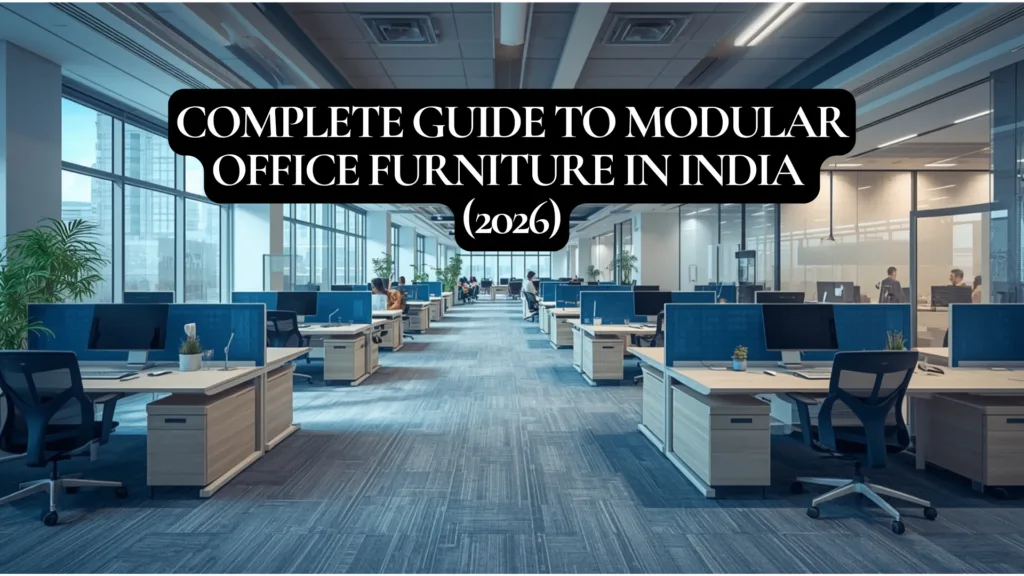
What is Modular Office Furniture?
Modular office furniture in India is exactly what it sounds like—furniture built in independent units or “modules” that can be combined, rearranged, or expanded depending on your office needs. Think of it like building blocks for your workspace. Instead of committing to bulky, fixed furniture that becomes obsolete as your team grows, modular systems let you adapt on the fly. In a country like India, where startups scale rapidly and office layouts change frequently, this flexibility isn’t just convenient—it’s essential.
The beauty of modular furniture lies in its versatility. You’re not locked into one configuration forever. Need to convert a collaborative workspace into individual desks? Done. Expanding your team from 10 to 30 employees? Just add more modules instead of replacing everything. It’s this adaptability that has made modular furniture a cornerstone of modern office design.
From tech startups in Bengaluru to corporate hubs in Gurugram, businesses are increasingly moving toward modular setups. According to industry estimates, the Indian office furniture market is expected to grow at over 7–9% CAGR by 2026, with modular solutions leading the charge. Why? Because companies are no longer designing offices for permanence—they’re designing for change.
There’s also a psychological angle here. Modular setups often feel more open, collaborative, and less rigid than traditional office furniture. Employees feel less boxed in, which can subtly boost creativity and productivity. And when your workspace evolves with your needs, it sends a powerful message: this is a company that grows, adapts, and thinks ahead.
Key Characteristics of Modular Furniture
Modular office furniture stands out because of a few defining traits that make it fundamentally different from traditional setups. First, there’s flexibility—arguably its biggest selling point. Each component can be rearranged without requiring a complete overhaul. This means businesses can experiment with layouts until they find what works best, instead of being stuck with a one-size-fits-all solution.
Another key feature is scalability. Imagine starting with a small office of five employees. With modular systems, you can simply add desks, partitions, or storage units as your team grows. There’s no need to discard existing furniture, which reduces both waste and cost over time. This makes modular furniture especially attractive for startups and SMEs in India, where budgets are often tight but growth potential is high.
Then comes customization. Modular furniture allows businesses to tailor their office environment according to their brand identity and workflow. Want a vibrant, collaborative space? Or a quiet, focused environment? The same modular components can be configured to suit both.
Durability is another underrated advantage. Since modular units are designed for repeated assembly and disassembly, they’re often built with stronger joints and materials. This ensures longevity even with frequent changes.
Finally, there’s the ease of installation. Unlike traditional furniture that may require professional carpentry or permanent fixtures, modular systems are relatively simple to install and relocate. This is a huge advantage in cities where office spaces are leased and frequently changed.
Evolution of Office Furniture in India
Office furniture in India has come a long way from heavy wooden desks and steel cupboards. If you walk into a government office from the early 2000s, you’ll likely see bulky furniture that hasn’t changed in decades. Fast forward to 2026, and the transformation is striking.
The shift began with the IT boom in cities like Bengaluru and Hyderabad. As multinational companies set up offices in India, they brought with them global design standards. Open layouts, ergonomic chairs, and modular workstations started replacing traditional setups. Indian companies soon followed suit, realizing that workspace design directly impacts employee productivity and satisfaction.
The startup revolution further accelerated this change. Startups needed offices that could evolve quickly without burning through capital. Modular furniture became the obvious choice. It allowed them to scale operations without constantly reinvesting in infrastructure.
Another major influence has been the rise of co-working spaces like WeWork, Awfis, and Smartworks. These spaces are designed to accommodate multiple businesses under one roof, which requires highly flexible furniture solutions. Modular systems fit perfectly into this model, reinforcing their popularity.
Cultural shifts have also played a role. Younger workforces prefer dynamic, aesthetically pleasing environments over rigid, traditional offices. Companies are responding by investing in furniture that reflects modern values—flexibility, collaboration, and sustainability.
Today, modular office furniture isn’t just a trend in India—it’s becoming the standard. And as we move deeper into 2026, its role will only grow stronger.
Why Modular Office Furniture is Trending in 2026
The surge in popularity of modular office furniture in India isn’t happening by accident. It’s the result of several overlapping trends that are reshaping how we think about workspaces. If you step into any modern office today, chances are you’ll see modular desks, movable partitions, and flexible seating arrangements. But why now? What’s driving this shift?
One of the biggest factors is the changing nature of work itself. Offices are no longer static environments where employees sit at the same desk from 9 to 5. Instead, they’ve become dynamic spaces that need to support collaboration, focus, and everything in between. Modular furniture fits perfectly into this evolving ecosystem because it allows spaces to transform quickly.
Another major driver is cost efficiency. Traditional office setups often require significant upfront investment and are difficult to modify later. Modular systems, on the other hand, spread costs over time. Businesses can start small and expand as needed, which is especially important in uncertain economic conditions.
There’s also a growing emphasis on employee well-being. Companies are realizing that comfortable, adaptable workspaces lead to happier and more productive employees. Modular furniture supports ergonomic designs and personalized setups, which can significantly improve workplace satisfaction.
Sustainability is another piece of the puzzle. As environmental concerns grow, businesses are looking for ways to reduce waste. Modular furniture, with its reusable components, aligns perfectly with this goal.
In short, modular office furniture isn’t just a design choice—it’s a strategic decision that aligns with modern business needs.
Rise of Hybrid Work Culture
The hybrid work model has completely changed how offices function. Employees are no longer in the office every day, and when they are, they use the space differently. This shift has created a demand for flexible environments that can accommodate varying levels of occupancy.
Modular furniture makes this possible. Instead of assigning fixed desks to each employee, companies can create hot-desking systems where workstations are shared. This reduces the need for excess furniture while maximizing space utilization.
Hybrid work also requires more collaborative areas. When employees come to the office, they often do so to brainstorm, meet, and collaborate. Modular setups allow businesses to quickly reconfigure spaces to support these activities.
Demand for Flexible Workspaces
Flexibility has become the defining feature of modern offices. Businesses need spaces that can adapt to changing team sizes, project requirements, and work styles. Modular furniture provides this flexibility in a way that traditional furniture simply cannot.
It’s not just about moving desks around—it’s about creating an environment that evolves with your business. And in a fast-paced market like India, that’s a game-changer.
Types of Modular Office Furniture
When people hear “modular office furniture,” they often imagine just desks that can be rearranged. But the reality is far more expansive. Modular design touches every corner of a modern workspace—from where employees sit and collaborate to how documents are stored and meetings are conducted. Understanding the different types available is crucial because each serves a specific purpose in shaping a productive office environment.
The brilliance of modular furniture lies in how these different elements work together like a cohesive system. You’re not just buying individual pieces—you’re building an ecosystem that supports workflow, communication, and comfort. Whether you’re designing a startup office or upgrading a corporate floor, knowing these categories helps you make smarter decisions.
In India, the demand for these furniture types has surged due to urban office constraints and the need for smarter space utilization. Cities like Mumbai and Bengaluru, where real estate is expensive, have especially embraced modular systems to maximize every square foot. The versatility of these furniture types ensures that no matter your office size or industry, there’s a solution tailored to your needs.
Modular Workstations
Modular workstations are the backbone of any modern office. These are not just desks—they’re adaptable work environments designed to support different working styles. From single-user desks to cluster seating arrangements, modular workstations can be configured in countless ways.
What makes them so appealing is their ability to evolve. For instance, a four-person workstation can easily be expanded into an eight-person setup by adding panels and desks. This scalability is invaluable for growing companies that don’t want to constantly reinvest in furniture.
Another advantage is the integration of features like cable management systems, built-in storage, and privacy panels. These small details make a big difference in maintaining a clean and organized workspace. In India, where offices often deal with limited space, such integrated designs are highly practical.
There’s also a strong focus on ergonomics. Modern modular workstations are designed to reduce strain, with adjustable heights and optimized layouts. This is particularly important as awareness of workplace health continues to grow.
Ultimately, modular workstations are more than just furniture—they’re productivity tools. They create an environment where employees can focus, collaborate, and perform at their best.
Modular Storage Units
Storage might not be the most glamorous aspect of office design, but it’s absolutely essential. Modular storage units bring the same flexibility and efficiency to organization as workstations do to productivity.
These units come in various forms—filing cabinets, open shelves, lockers, and mobile storage systems. The modular aspect means they can be stacked, expanded, or rearranged as needed. For example, a small filing unit can grow into a full storage wall as your documentation needs increase.
One of the biggest advantages is space optimization. Traditional storage solutions often take up more room than necessary. Modular units, on the other hand, are designed to fit seamlessly into your office layout. They can be placed under desks, along walls, or even used as partitions.
Security is another important factor. Many modular storage solutions come with locking systems, ensuring that sensitive documents are protected. This is especially relevant for industries like finance and legal services.
In the Indian context, where offices often need to balance functionality with aesthetics, modular storage units offer the perfect blend. They keep clutter out of sight while maintaining a clean, professional look.
Modular Conference Tables
Conference rooms are where ideas come to life, decisions are made, and strategies are shaped. Modular conference tables play a crucial role in making these spaces functional and adaptable.
Unlike traditional fixed tables, modular conference tables can be reconfigured based on the type of meeting. Need a large table for a board meeting? Combine multiple modules. Hosting a workshop or training session? Arrange them into smaller clusters.
This flexibility is particularly useful in hybrid work environments, where meeting sizes can vary significantly. Some days you might have a full team meeting, while on others, it’s just a small group discussion.
Modern modular conference tables also come with integrated technology features like cable ports, charging stations, and even built-in screens. This ensures that meetings run smoothly without the hassle of tangled wires or insufficient connectivity.
In India’s fast-paced corporate landscape, where time is money, such efficiency can make a significant difference. A well-designed conference space not only improves productivity but also leaves a strong impression on clients and stakeholders.
Modular Seating Solutions
Seating is one of the most critical elements of any office, directly impacting employee comfort and productivity. Modular seating solutions take this a step further by offering flexibility alongside comfort.
These include modular sofas, chairs, and lounge seating that can be rearranged to suit different needs. For example, a lounge area can be transformed from a casual seating space into a collaborative zone simply by reconfiguring the furniture.
Ergonomics is a key focus here. Adjustable chairs with lumbar support, breathable materials, and customizable features ensure that employees remain comfortable throughout the day. This is particularly important in India, where long working hours are common in many industries.
Another interesting trend is the use of modular seating in breakout areas. These informal spaces encourage collaboration and creativity, offering employees a break from their desks while still being productive.
From reception areas to collaborative zones, modular seating solutions bring both style and functionality to the table. They create a welcoming environment that reflects a company’s culture and values.
Benefits of Modular Office Furniture
The growing popularity of modular office furniture isn’t just about aesthetics—it’s driven by tangible benefits that directly impact business operations. From cost savings to improved efficiency, these advantages make modular systems a smart investment for companies of all sizes.
One of the most compelling benefits is the ability to adapt. In a business environment that’s constantly changing, having furniture that can keep up is invaluable. Whether you’re expanding your team, restructuring departments, or redesigning your office, modular furniture makes the process seamless.
Another major advantage is sustainability. By reusing and reconfiguring existing components, businesses can significantly reduce waste. This not only helps the environment but also aligns with corporate social responsibility goals.
There’s also a strong financial argument. While the initial cost of modular furniture might be comparable to traditional options, the long-term savings are substantial. You’re not replacing furniture every time your needs change—you’re simply modifying what you already have.
Cost Efficiency and Scalability
Cost efficiency is often the deciding factor for businesses when choosing office furniture. Modular systems excel in this area by offering a scalable solution that grows with your company.
Instead of making a large upfront investment, you can start with a basic setup and expand gradually. This is particularly beneficial for startups and small businesses that need to manage cash flow carefully.
Scalability also means you’re not wasting money on unused furniture. Every component serves a purpose and can be adjusted as your needs evolve. Over time, this leads to significant cost savings.
Space Optimization
In a country like India, where office space comes at a premium, optimizing every square foot is crucial. Modular furniture is designed with this in mind, offering compact and efficient solutions that maximize available space.
From multi-functional desks to stackable storage units, every element is crafted to reduce clutter and improve organization. This not only makes the office look better but also enhances productivity by creating a more streamlined environment.
Materials Used in Modular Office Furniture
When you walk into a modern office, the first thing you notice isn’t just the layout—it’s the feel of the furniture. The texture of the desk, the finish of the cabinets, the sturdiness of the chairs—these all come down to the materials used. In modular office furniture, materials play a critical role not just in aesthetics, but also in durability, cost, and sustainability.
In India, the choice of materials is heavily influenced by climate, budget constraints, and evolving design preferences. For example, high humidity in coastal cities like Mumbai or Chennai demands materials that resist warping and corrosion. At the same time, businesses are increasingly looking for eco-friendly options that align with sustainability goals.
Modern modular furniture combines multiple materials to strike a balance between functionality and design. You’ll rarely find a single-material piece; instead, it’s often a mix—engineered wood for structure, metal for support, and glass or laminates for finishing. This hybrid approach ensures that furniture is both strong and visually appealing.
Another factor to consider is maintenance. Some materials require regular upkeep, while others are designed to be low-maintenance. In fast-paced office environments, this can make a significant difference in long-term usability.
Engineered Wood vs Solid Wood
The debate between engineered wood and solid wood is a long-standing one, especially in India where traditional furniture has always leaned toward solid wood. However, modular office furniture has shifted the balance significantly toward engineered wood—and for good reason.
Engineered wood, such as MDF (Medium Density Fiberboard), particle board, and plywood, is designed for consistency and flexibility. Unlike solid wood, which can expand or contract due to temperature and humidity changes, engineered wood remains stable. This makes it ideal for modular systems that require precise fittings and frequent reconfiguration.
Cost is another major factor. Solid wood is significantly more expensive, which can be a barrier for startups or businesses setting up large offices. Engineered wood offers a more budget-friendly alternative without compromising too much on quality or appearance.
That said, solid wood still has its place. It offers unmatched durability and a premium look that many high-end offices prefer. If you’re designing an executive cabin or a luxury workspace, solid wood can add a sense of prestige that engineered materials sometimes lack.
Here’s a quick comparison:
| Feature | Engineered Wood | Solid Wood |
| Cost | Affordable | Expensive |
| Durability | Moderate to High | Very High |
| Flexibility | Excellent | Limited |
| Maintenance | Low | Moderate to High |
| Aesthetics | आधुनिक & customizable | Classic & premium |
In most Indian offices, engineered wood dominates because it aligns perfectly with the needs of modular design—flexible, cost-effective, and easy to maintain.
Metal, Glass, and Sustainable Materials
While wood forms the core structure, materials like metal and glass add strength and sophistication to modular office furniture. Metal frames, often made from steel or aluminum, provide the structural backbone for desks, chairs, and storage units. They’re incredibly durable and can withstand heavy usage, making them ideal for high-traffic office environments.
Glass, on the other hand, is all about aesthetics. From conference tables to partitions, glass adds a modern, open feel to office spaces. Frosted or tinted glass can also provide privacy without making the space feel cramped. In Indian metro cities, where offices often struggle with limited natural light, glass elements help create a brighter and more inviting environment.
Sustainability is becoming a major focus in 2026. Many companies are now opting for eco-friendly materials like bamboo, recycled wood, and low-VOC laminates. These materials not only reduce environmental impact but also contribute to healthier indoor air quality.
Interestingly, a report by the Indian Green Building Council suggests that offices using sustainable furniture solutions can improve employee well-being by up to 15–20%. That’s a compelling reason for businesses to make the switch.
Design Trends in India for 2026
Office design in India is undergoing a fascinating transformation. It’s no longer just about fitting as many desks as possible into a space. Today, design is about creating an experience—one that reflects a company’s culture, supports employee well-being, and adapts to changing work patterns.
In 2026, modular office furniture is at the center of this evolution. It enables designers to experiment with layouts, colors, and textures in ways that were previously impossible. The result? Offices that feel less like workplaces and more like dynamic, living environments.
Indian companies are also taking cues from global trends while adding their own unique touch. The fusion of functionality with aesthetics is creating workspaces that are both practical and visually appealing.
Minimalist and Ergonomic Designs
Minimalism has become a defining trend in modern office design. Clean lines, neutral colors, and clutter-free layouts are replacing the heavy, ornate furniture of the past. Modular furniture fits perfectly into this philosophy because it emphasizes simplicity and functionality.
But minimalism isn’t just about looks—it’s about efficiency. A well-designed minimalist workspace reduces distractions and helps employees focus better. Every piece of furniture serves a purpose, eliminating unnecessary clutter.
Ergonomics is another key aspect. With increasing awareness about workplace health, companies are investing in furniture that supports proper posture and reduces physical strain. Adjustable desks, ergonomic chairs, and thoughtfully designed workstations are becoming standard features.
In India, where long working hours are common, this shift toward ergonomic design is particularly important. It’s not just about comfort—it’s about preventing health issues and improving overall productivity.
Eco-Friendly and Sustainable Furniture
Sustainability is no longer a buzzword—it’s a necessity. Businesses across India are recognizing the importance of reducing their environmental footprint, and office furniture is a significant part of that effort.
Modular furniture inherently supports sustainability because it reduces waste. Instead of discarding old furniture, companies can simply reconfigure existing modules. This extends the lifespan of furniture and minimizes environmental impact.
Additionally, manufacturers are increasingly using sustainable materials and eco-friendly production processes. From recycled metals to water-based adhesives, every aspect is being optimized for sustainability.
Green certifications are also gaining traction. Offices that use eco-friendly furniture can earn points toward certifications like LEED, which enhances their reputation and appeal.
How to Choose the Right Modular Office Furniture
Choosing the right modular office furniture isn’t just about picking what looks good—it’s about making decisions that align with your business goals, workspace requirements, and budget. With so many options available in the Indian market, the process can feel overwhelming. But when you break it down into key factors, it becomes much more manageable.
The first step is understanding that furniture is an investment, not an expense. The right choices can improve productivity, optimize space, and even boost employee morale. On the flip side, poor decisions can lead to discomfort, inefficiency, and unnecessary costs.
Assessing Office Needs
Before you even start browsing catalogs, take a step back and evaluate your office requirements. How many employees do you have? What kind of work do they do? Do they need collaborative spaces, private cabins, or a mix of both?
Think about your future growth as well. If you’re planning to expand, choose furniture that can scale with you. Modular systems are ideal for this because they allow you to add or modify components as needed.
Also, consider the nature of your work. For example, creative teams might benefit from open, flexible layouts, while finance or legal teams may require more structured and private setups.
Budget and Vendor Selection
Budget plays a crucial role, but it’s important to look beyond just the initial cost. Consider the long-term value—durability, maintenance, and scalability all factor into the overall investment.
Choosing the right vendor is equally important. Look for manufacturers with a proven track record, good customer reviews, and reliable after-sales support. In India, brands like Godrej Interio, Featherlite, and Durian have established themselves as trusted names in modular office furniture.
Don’t hesitate to ask for customization options, warranties, and installation services. A good vendor will work with you to create solutions tailored to your needs.
Cost of Modular Office Furniture in India
Let’s talk numbers—because no matter how attractive modular office furniture sounds, cost is always a deciding factor. The pricing in India varies widely depending on factors like material, brand, customization, and scale. But understanding the cost structure can help you plan better and avoid surprises.
At a basic level, modular office furniture is often more cost-effective in the long run compared to traditional setups. Why? Because you’re not replacing furniture every time your needs change—you’re simply reconfiguring what you already have.
Here’s a rough breakdown of costs in India (2026):
| Furniture Type | Price Range (INR) |
| Modular Workstations | ₹5,000 – ₹25,000 per seat |
| Office Chairs (Ergonomic) | ₹3,000 – ₹20,000 |
| Conference Tables | ₹15,000 – ₹1,00,000+ |
| Storage Units | ₹4,000 – ₹30,000 |
| Modular Seating (Sofas, Lounge) | ₹10,000 – ₹80,000 |
These are average estimates, and actual prices can vary based on customization and brand. For example, a fully customized workstation with premium finishes and integrated technology can cost significantly more.
Another factor to consider is installation cost. Some vendors include it in the package, while others charge separately. Always clarify this upfront to avoid unexpected expenses.
Maintenance is relatively low compared to traditional furniture, but it’s still something to keep in mind. High-quality modular systems are designed to last for years, making them a worthwhile investment.
A smart approach is to think in terms of cost per employee rather than total cost. This gives you a clearer picture of how your investment scales with your workforce.
Installation and Maintenance Tips
Buying modular office furniture is only half the battle—the real value comes from how well it’s installed and maintained. Even the best furniture can underperform if it’s not set up correctly or cared for properly.
Installation is where modular furniture truly shines. Unlike traditional furniture that may require extensive carpentry, modular systems are designed for quick and efficient assembly. Many vendors in India offer professional installation services, ensuring that everything is set up according to design specifications.
One important tip is to plan your layout in advance. Don’t just start assembling pieces randomly. Have a clear blueprint of how you want your office to look and function. This saves time and prevents unnecessary rework.
Maintenance, on the other hand, is all about consistency. Regular cleaning, checking for loose fittings, and addressing minor issues early can significantly extend the lifespan of your furniture. For example, tightening screws or adjusting panels periodically can prevent bigger problems down the line.
Another often-overlooked aspect is employee usage. Educating your team on how to use modular furniture properly—like adjusting chairs or handling movable components—can reduce wear and tear.
In India’s diverse climate, it’s also important to consider environmental factors. For instance, in humid regions, using dehumidifiers or ensuring proper ventilation can help protect furniture from damage.
Conclusion
Modular office furniture has moved from being a “nice-to-have” to an absolute necessity in India’s evolving work landscape. As businesses navigate hybrid work models, rising real estate costs, and the need for agile operations, modular solutions offer a perfect balance of flexibility, efficiency, and style.
What makes modular furniture truly powerful is its ability to adapt. It grows with your business, evolves with your needs, and supports a wide range of work styles. Whether you’re a startup setting up your first office or a large corporation redesigning your workspace, modular furniture provides a future-ready solution.
The Indian market in 2026 is rich with options, from budget-friendly solutions to high-end customized systems. With the right approach—understanding your needs, choosing the right materials, and partnering with reliable vendors—you can create a workspace that’s not just functional, but inspiring.
At the end of the day, your office is more than just a place to work. It’s a reflection of your company’s culture, values, and vision. And modular furniture gives you the tools to shape that space exactly the way you want.
FAQs
1. Is modular office furniture suitable for small offices in India?
Absolutely. In fact, modular furniture is ideal for small offices because it maximizes space utilization. You can create efficient layouts without overcrowding, and easily expand as your business grows.
2. How long does modular office furniture last?
With proper maintenance, high-quality modular furniture can last 8–15 years or more. Durability depends on materials, usage, and environmental conditions.
3. Can modular furniture be customized?
Yes, most brands in India offer extensive customization options, including size, color, material, and configuration. This allows businesses to align furniture with their brand identity.
4. Is modular furniture eco-friendly?
Yes, especially when made from sustainable materials or reused components. Its ability to be reconfigured reduces waste, making it an environmentally responsible choice.
5. What is the biggest advantage of modular office furniture?
The biggest advantage is flexibility. You can adapt your office layout quickly and cost-effectively without replacing entire furniture sets.