
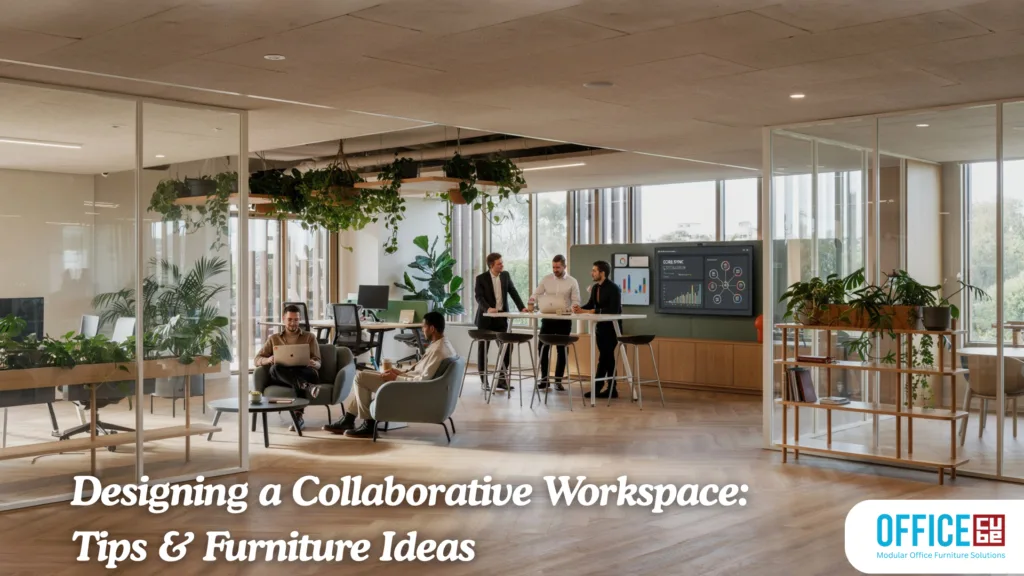
Understanding the Modern Collaborative Workspace
The workplace has changed dramatically over the past decade. Gone are the days when employees spent eight hours tucked away inside cubicles, speaking only during scheduled meetings. Modern businesses now thrive on communication, teamwork, creativity, and adaptability. A collaborative workspace is designed specifically to encourage these interactions while helping employees remain productive and comfortable throughout the day. It’s not just about placing desks together or removing office walls. It’s about creating an environment where ideas can flow naturally and people feel motivated to contribute.
Research from global workplace studies shows that companies encouraging collaboration are significantly more likely to improve employee engagement and innovation. According to a report by Steelcase, highly engaged teams can improve productivity by over 20%. That’s a powerful reason why organizations are investing heavily in office redesigns focused on teamwork and flexibility. The modern office now functions more like a living ecosystem than a rigid corporate structure. Employees move between meeting rooms, quiet zones, breakout areas, and shared tables depending on the task at hand.
Furniture plays a massive role in shaping these experiences. The right seating arrangement can encourage spontaneous brainstorming, while poorly planned layouts can make employees feel isolated and distracted. Think of workspace furniture as the “social architecture” of the office. Just as city streets influence how people interact in public spaces, office furniture influences how teams communicate and collaborate indoors.
Another important factor is employee well-being. Today’s workforce values flexibility, comfort, and autonomy more than ever. Hybrid work models have raised expectations for office environments because employees compare workplace comfort with home-office convenience. Companies that create inviting collaborative spaces are more likely to attract and retain top talent. The office is no longer just a place to work; it’s becoming a destination for connection, creativity, and innovation.
Why Collaboration Matters in Today’s Offices
Collaboration fuels innovation. Some of the world’s biggest business breakthroughs didn’t happen during formal presentations; they emerged from casual conversations, impromptu brainstorming sessions, and team problem-solving moments. A well-designed collaborative workspace increases these opportunities by making communication feel natural rather than forced. Employees who interact regularly often solve problems faster because information flows more freely across departments and teams.
The rise of digital transformation has also changed how organizations function. Many businesses now operate with cross-functional teams where marketing professionals, designers, developers, and managers work together simultaneously. Traditional office layouts can create barriers between these groups, reducing efficiency and slowing decision-making. Collaborative spaces remove these obstacles by encouraging accessibility and openness.
There’s also a psychological element involved. Humans are social creatures by nature. Employees who feel connected to their colleagues are generally more motivated and satisfied at work. Gallup research consistently shows that strong workplace relationships improve retention and reduce burnout. Collaborative environments help build these relationships by offering spaces where people can engage comfortably, whether during structured meetings or casual coffee breaks.
At the same time, balance is essential. Collaboration doesn’t mean constant noise or endless interaction. Effective workspaces provide a mix of energetic social zones and quiet focus areas. Employees need options. Some tasks require intense concentration, while others benefit from group discussion. The best collaborative offices recognize this diversity and create environments that support multiple working styles simultaneously.
Technology has amplified the need for collaboration-friendly spaces as well. Video conferencing, remote teamwork, and hybrid meetings require furniture and layouts that support both in-person and virtual interactions. Meeting tables now include integrated charging ports, cable management systems, and screen-sharing capabilities. Modern collaboration isn’t confined to physical presence anymore; it blends digital and physical experiences into one seamless workflow.
The Shift From Traditional Offices to Flexible Environments
Traditional office designs were built around hierarchy and efficiency. Executives occupied private offices, departments were separated by walls, and rows of desks dominated the workspace. While this setup worked in industrial-era business models, it often limited communication and adaptability. Today’s companies need environments that can evolve quickly alongside changing projects, team structures, and employee expectations.
Flexible workspaces emerged as a response to these changing demands. Instead of assigning every employee a fixed desk, businesses now create multi-purpose environments that support collaboration, mobility, and comfort. Flexible offices often include shared workstations, informal lounges, movable furniture, and adaptable meeting areas. This approach allows employees to choose the best setting for their current task.
One major driver behind this shift is hybrid work culture. Employees who split time between home and office expect workplace experiences that offer something beyond a traditional desk. Offices now serve as hubs for teamwork, social interaction, and creative collaboration rather than simply locations for individual tasks. As a result, companies are investing in spaces that encourage people to gather, brainstorm, and connect face-to-face.
Flexibility also improves space utilization. Large conference rooms sitting empty most of the day represent wasted real estate. Modern offices favor modular furniture and adaptable layouts that can transform quickly based on team needs. A breakout area in the morning can become a workshop space by afternoon simply by rearranging movable tables and seating.
Design aesthetics have evolved too. Corporate environments are becoming warmer, more hospitality-inspired, and less formal. Comfortable sofas, natural lighting, indoor plants, textured materials, and café-style seating create inviting atmospheres that reduce stress and stimulate creativity. Employees are more likely to engage and collaborate when they feel relaxed and comfortable in their surroundings.
Key Elements of an Effective Collaborative Workspace
Creating a successful collaborative workspace requires more than trendy furniture or open floor plans. The most effective environments are carefully balanced ecosystems that combine functionality, comfort, flexibility, and visual appeal. Every design element influences how employees interact, communicate, and perform throughout the workday. A workspace should support spontaneous conversations without becoming chaotic or distracting. Achieving that balance requires intentional planning.
One of the most important aspects is spatial flow. Employees should be able to move naturally between different zones without confusion or interruption. Collaborative offices often include designated areas for meetings, brainstorming, relaxation, and focused work. These transitions should feel seamless. Imagine an airport with poor signage and overcrowded walkways—it creates frustration and stress. Offices work the same way. Smooth navigation improves productivity and encourages people to use shared spaces more often.
Acoustic management is another critical factor. Open offices may encourage communication, but they can also create noise-related distractions if poorly designed. Research from the University of Sydney found that noise is one of the biggest complaints in open-plan workplaces. Smart collaborative spaces use acoustic panels, sound-absorbing furniture, rugs, ceiling treatments, and private pods to manage noise levels effectively.
Comfort cannot be ignored either. Employees spend long hours sitting, moving, meeting, and brainstorming. Ergonomic seating, adjustable desks, and supportive furniture directly affect both physical health and cognitive performance. Discomfort quietly drains energy and focus over time. Companies investing in ergonomic solutions often see improvements in morale and productivity because employees feel physically supported throughout the day.
Lighting, color psychology, and air quality also influence collaboration. Natural light boosts mood and concentration, while warm, welcoming color palettes help employees feel more relaxed and creative. Even temperature control matters more than many businesses realize. An office that’s too hot or too cold can negatively affect focus and collaboration levels.
Ultimately, the best collaborative workspace feels intuitive. Employees instinctively know where to gather, where to focus, and where to recharge. The design quietly supports teamwork without forcing interaction unnaturally. When done right, the workspace itself becomes an active contributor to company without forcing interaction unnaturally. When done right, the workspace itself becomes an active contributor to company culture and innovation.
Open Layouts and Spatial Flow
Open layouts have become one of the defining characteristics of collaborative workspaces, but successful implementation requires much more than simply removing walls. A truly effective open office encourages communication while maintaining enough structure to avoid chaos and distraction. The goal is to create an environment where employees can interact naturally without feeling overwhelmed by noise, interruptions, or visual clutter. Think of an open office like a well-designed city plaza. It should encourage movement and connection while still offering areas for comfort and retreat.
One major advantage of open layouts is accessibility. Employees are more likely to ask questions, share ideas, and collaborate when physical barriers are minimized. Teams can exchange information faster, managers become more approachable, and spontaneous brainstorming sessions occur more organically. This immediacy can dramatically improve workflow efficiency, especially in industries where innovation and quick decision-making matter. According to a Harvard Business Review workplace study, organizations with collaborative environments often experience faster project completion rates and stronger cross-department communication.
Furniture placement plays a massive role in spatial flow. Poorly arranged furniture creates bottlenecks and awkward movement patterns that disrupt productivity. Collaborative workspaces should feature clear pathways between departments, meeting areas, and breakout zones. Modular desks, curved seating arrangements, and strategically positioned lounge areas help guide natural movement throughout the office. Employees shouldn’t feel trapped at their desks or disconnected from common areas. Instead, the environment should invite exploration and interaction.
Visual openness also influences workplace psychology. Large windows, low-profile furniture, glass partitions, and lighter color palettes create a sense of transparency and energy. Employees generally feel less isolated in visually open spaces, which can improve engagement and teamwork. At the same time, complete openness can become exhausting if there’s no balance. That’s why many modern offices include “neighborhood zones” that blend openness with semi-private areas. Employees can collaborate when needed while still having access to quieter spaces for concentration.
Flexibility is another major strength of open layouts. Businesses evolve quickly, and office spaces must adapt just as fast. Open environments make it easier to rearrange teams, add furniture, or transform areas for events and workshops. Companies using flexible office designs often save money over time because they can reconfigure spaces without major renovations. It’s similar to owning modular furniture at home—you gain freedom without sacrificing functionality.
Acoustic Comfort and Privacy Solutions
One of the biggest misconceptions about collaborative offices is that constant noise equals productivity. In reality, excessive noise can quietly erode focus, increase stress, and reduce overall employee satisfaction. While collaboration thrives on communication, employees still need moments of concentration and privacy. The most successful collaborative workspaces understand that sound management is just as important as furniture design or spatial planning.
Acoustic comfort begins with thoughtful material selection. Hard surfaces like concrete, glass, and metal reflect sound, causing conversations and movement to echo throughout the office. Soft materials absorb noise and create a calmer atmosphere. Acoustic wall panels, fabric-covered seating, rugs, ceiling baffles, and upholstered furniture all help reduce sound pollution. Even indoor plants can slightly improve acoustics while enhancing workplace aesthetics at the same time.
Privacy solutions have evolved dramatically in recent years. Modern offices now include soundproof pods, enclosed phone booths, and semi-private meeting nooks designed specifically for focused work or confidential conversations. These spaces offer employees temporary escape from the energy of open collaboration zones. It’s similar to having quiet reading corners inside a busy café—people appreciate having options depending on their task or mood.
Furniture can also contribute to acoustic performance. High-backed sofas and booth seating naturally create sound barriers that reduce distractions. Some collaborative seating systems are specifically engineered with acoustic materials that absorb surrounding noise. These furniture solutions allow employees to collaborate comfortably without disturbing nearby teams. In many ways, furniture becomes part of the office’s “sound architecture.”
Technology integration helps as well. White noise systems and sound masking technologies are increasingly popular in large offices because they minimize distracting conversations and create more consistent ambient sound levels. Employees often perceive these environments as calmer and less mentally draining. Research from workplace design firms consistently shows that acoustic satisfaction directly affects productivity and employee well-being.
Privacy isn’t only about sound. Visual privacy matters too. Glass dividers with frosted sections, movable partitions, and strategic furniture placement help employees feel less exposed while maintaining openness. Collaborative workspaces should feel energetic, not performative. Employees need environments where they can think, create, and communicate without feeling constantly observed.
Choosing the Right Meeting Tables
Meeting tables are far more important than many businesses realize. They shape conversations, influence participation, and affect how teams collaborate during discussions. The size, shape, placement, and functionality of a meeting table can either encourage engagement or unintentionally create hierarchy and disconnect. In collaborative workspace design, meeting tables are not just furniture pieces—they are communication tools.
The traditional long rectangular conference table once symbolized authority and structure, but modern offices are moving toward more inclusive designs. Today’s collaborative environments prioritize flexibility, equality, and adaptability. Businesses now recognize that furniture influences behavior. For example, round tables encourage equal participation because everyone sits at a similar distance from one another. Rectangular tables, on the other hand, often emphasize leadership positions at the ends.
Technology integration is another major consideration. Modern meetings involve laptops, video calls, digital presentations, and charging devices. Meeting tables now frequently include built-in power outlets, USB ports, cable management systems, and wireless charging stations. These features eliminate clutter and improve efficiency during team sessions. Employees can focus on collaboration rather than searching for outlets or untangling wires.
Material selection matters too. Wooden tables create warmth and comfort, while glass surfaces convey modern sophistication. Laminate options offer durability and affordability for high-traffic environments. The right finish should complement the office aesthetic while remaining practical for daily use. Durability becomes especially important in collaborative spaces where furniture experiences constant movement and interaction.
Mobility and scalability have become increasingly valuable as well. Many companies now prefer modular meeting tables that can be rearranged based on group size or project requirements. A single large conference table may work for formal presentations, but smaller movable tables often provide greater versatility. Teams can quickly shift from brainstorming circles to workshop configurations without needing entirely separate rooms.
The best meeting tables support both physical and virtual collaboration. Hybrid work has permanently changed office dynamics, requiring meeting spaces that accommodate remote participants seamlessly. Tables designed with integrated cameras, microphones, and screen visibility ensure all participants remain engaged regardless of location. A collaborative workspace succeeds when communication flows equally between everyone involved.
Round Tables for Inclusive Discussions
Round meeting tables have become increasingly popular because they naturally promote equality and participation. Unlike rectangular tables, where seating positions can subtly reinforce hierarchy, round tables create a sense of shared presence. Everyone faces one another equally, making conversations feel more balanced and collaborative. This simple geometric change can dramatically influence group dynamics during meetings and brainstorming sessions.
Psychologically, round shapes are associated with openness, connection, and community. There’s a reason families often gather around circular dining tables for meaningful conversations. In workplace settings, the same principle applies. Employees seated at round tables often feel more comfortable contributing ideas because there’s less emphasis on rank or positional authority. Discussions become more conversational and less formal, which can encourage creativity and innovation.
Round tables work particularly well for small-to-medium-sized meetings where participation matters more than presentation structure. Brainstorming sessions, strategy discussions, design reviews, and team check-ins all benefit from this format. Employees can maintain eye contact easily, which improves engagement and active listening. The environment feels more human and collaborative rather than rigidly corporate.
Space efficiency is another advantage. Round tables often fit naturally into lounge areas, breakout spaces, and compact meeting rooms. Their softer shape improves traffic flow and reduces the harsh visual lines that dominate traditional office furniture. In modern collaborative offices focused on comfort and flexibility, these subtle design elements contribute significantly to overall atmosphere.
Design versatility also makes round tables appealing. They are available in countless styles, materials, and heights to suit different workspace needs. Café-height round tables encourage quick informal discussions, while larger executive versions support strategic meetings. Some businesses even combine multiple small round tables to create adaptable collaborative zones.
Technology integration has improved significantly in modern round table designs. Many now feature hidden power modules, wireless charging pads, and integrated connectivity solutions that maintain clean aesthetics while supporting digital collaboration. This combination of functionality and inclusiveness makes round meeting tables one of the most effective furniture choices for collaborative workspaces today.
Modular Conference Tables for Flexibility
Modern workplaces evolve constantly, and furniture must evolve alongside them. That’s why modular conference tables have become essential in collaborative office design. Unlike traditional fixed conference tables, modular systems allow businesses to reconfigure meeting spaces quickly and efficiently. This flexibility supports changing team sizes, project requirements, and workspace layouts without requiring expensive redesigns or additional furniture purchases.
Modular conference tables function almost like building blocks. Individual sections can be combined, separated, rotated, or rearranged depending on the purpose of the meeting. A large boardroom setup for executive presentations can transform into smaller collaborative clusters for workshops or training sessions within minutes. This adaptability is particularly valuable in hybrid workplaces where space utilization needs to remain dynamic and efficient.
Businesses benefit financially from modular furniture because it extends long-term usability. Instead of replacing entire meeting setups as organizational needs change, companies can simply expand or reconfigure existing pieces. This sustainable approach reduces waste while maximizing investment value. In many ways, modular furniture mirrors the flexibility businesses now expect from employees and workflows.
Design aesthetics have improved dramatically as well. Early modular furniture often looked overly industrial or temporary, but modern systems combine sleek design with practicality. High-quality finishes, hidden connectors, integrated technology ports, and durable materials create polished professional environments that still feel inviting and collaborative.
Employees also appreciate the sense of adaptability modular spaces provide. Static environments can feel restrictive over time, while flexible spaces encourage creativity and experimentation. Teams can shape their surroundings based on the task at hand, which subtly reinforces ownership and engagement. A workshop session feels different from a strategy presentation, and modular furniture allows the environment to reflect those changing needs naturally.
Hybrid collaboration has further increased demand for flexible meeting solutions. Teams frequently shift between in-person meetings, virtual discussions, and mixed-format sessions. Modular conference tables help organizations adapt quickly without sacrificing comfort or professionalism. In today’s fast-changing workplace landscape, flexibility is no longer a luxury—it’s a necessity.
Standing Meeting Tables for Agile Teams
Standing meeting tables have transformed the way modern teams collaborate, especially in fast-paced and agile work environments. Traditional seated meetings often become lengthy, overly formal, and mentally draining. Standing meetings, on the other hand, naturally encourage energy, focus, and efficiency. There’s a psychological shift that happens when people stand together rather than sit passively around a table. Conversations become more dynamic, decisions happen faster, and participants remain more engaged throughout the discussion.
Agile teams, particularly in technology, marketing, and creative industries, have embraced standing meeting tables because they align perfectly with iterative workflows and quick collaboration cycles. Daily stand-up meetings, sprint planning sessions, and rapid brainstorming discussions benefit from the pace these tables encourage. Research from workplace productivity studies suggests that standing meetings are often shorter while producing equal or better outcomes compared to seated alternatives. Employees tend to stay more attentive because standing reduces the temptation to disengage or multitask.
Health benefits also play a significant role. Sedentary office culture has become a growing concern worldwide, with prolonged sitting linked to various health risks including back pain, poor posture, and reduced circulation. Standing meeting tables introduce movement into the workday without disrupting productivity. Employees appreciate opportunities to stretch, shift posture, and remain physically active while working collaboratively. Even short periods of standing throughout the day can improve energy levels and reduce physical fatigue.
From a design perspective, standing tables contribute to modern, flexible office aesthetics. Their elevated profile creates visual openness and encourages mobility within collaborative zones. Many companies pair standing tables with bar stools or lean-support seating, giving employees flexibility without fully returning to sedentary behavior. These setups create environments that feel more casual, approachable, and innovation-focused.
Technology integration has also made standing collaboration more seamless. Height-adjustable standing tables with built-in power outlets, touchscreen compatibility, and wireless charging systems support hybrid meetings and digital collaboration effortlessly. Some advanced models even include programmable height settings to accommodate different users and meeting styles.
Standing meeting areas work especially well in open collaborative spaces because they encourage quick interactions without requiring formal room reservations. Employees can gather spontaneously, exchange ideas, and move on efficiently. In many ways, standing meeting tables represent the shift toward more fluid, responsive workplace cultures where collaboration happens naturally rather than through rigid scheduling structures.
Designing Breakout Areas That Inspire Creativity
Breakout areas have become the heartbeat of modern collaborative offices. These informal spaces provide employees with opportunities to relax, connect, brainstorm, and recharge away from traditional workstations. Unlike formal conference rooms, breakout areas encourage spontaneous interaction and casual conversation, which often lead to some of the most innovative ideas in the workplace. Many groundbreaking concepts are born not during scheduled meetings, but during relaxed discussions over coffee or quick team chats in comfortable lounge spaces.
The atmosphere of breakout areas matters enormously. Employees should feel immediately welcomed and comfortable when entering these spaces. Soft seating, warm lighting, natural textures, and flexible layouts create environments that feel less corporate and more human-centered. Think about the difference between a stiff waiting room and a cozy living room. People naturally open up, communicate more freely, and think more creatively in environments where they feel relaxed.
Variety is essential when designing breakout spaces because different teams and personalities collaborate differently. Some employees prefer energetic café-style environments with background activity, while others thrive in quieter lounge settings with more privacy. The best collaborative offices provide multiple breakout options to accommodate diverse working styles and moods. Flexibility allows employees to choose environments that support their current task or emotional energy.
Furniture selection plays a huge role in shaping interaction patterns. Curved sofas encourage conversation, movable ottomans support flexibility, and communal tables create opportunities for shared discussions. Lightweight furniture allows teams to rearrange spaces easily depending on group size or activity type. This adaptability helps breakout areas remain dynamic and engaging rather than static and predictable.
Breakout spaces also contribute to workplace wellness. Employees need moments of mental reset throughout the day, especially in high-pressure industries. Informal collaborative zones provide psychological relief from desk-focused work while still supporting productivity and connection. Companies investing in thoughtfully designed breakout areas often notice improvements in employee morale, engagement, and workplace satisfaction.
Technology integration can further enhance these environments. Wireless presentation screens, portable whiteboards, charging stations, and collaborative digital tools make breakout spaces functional without compromising comfort. The key is maintaining balance—technology should support interaction rather than dominate the atmosphere. The most successful breakout areas feel natural, inviting, and creatively energizing.
Lounge-Style Seating Concepts
Lounge-style seating has become one of the most influential trends in collaborative workspace design because it blends comfort with functionality in a way traditional office furniture rarely achieved. Employees no longer want sterile environments filled exclusively with rigid chairs and uniform desks. They crave spaces that feel welcoming, flexible, and human-centered. Lounge seating transforms offices from purely task-oriented environments into places where creativity and connection can thrive naturally.
The psychology behind lounge-style furniture is fascinating. Softer seating lowers formality, making conversations feel more relaxed and authentic. Employees often communicate more openly when sitting on comfortable sofas or armchairs compared to formal conference seating. It’s similar to how friends gather in living rooms rather than around boardroom tables for meaningful conversations. This comfort-driven atmosphere encourages brainstorming, relationship building, and spontaneous collaboration.
Modern lounge seating systems are designed specifically for workplace functionality. Many include integrated power outlets, privacy panels, acoustic features, and modular components that can be rearranged based on team needs. High-backed lounge chairs create semi-private conversation zones, while sectional sofas support group collaboration. These furniture pieces help divide open offices into smaller, more intimate social environments without requiring permanent walls.
Color and texture choices significantly influence the effectiveness of lounge spaces. Warm neutrals, earthy tones, soft fabrics, and natural materials create calming environments that reduce workplace stress. Businesses increasingly use residential-inspired design aesthetics because employees respond positively to spaces that feel less institutional. Comfortable surroundings can improve mood, creativity, and even productivity over time.
Lounge seating also supports hybrid work culture beautifully. Employees returning to offices after remote work experiences often expect greater comfort and flexibility. Hospitality-inspired collaborative areas help offices compete with the comfort of home environments while offering the social and professional benefits remote work lacks. In many ways, lounge-style design bridges the gap between home comfort and workplace functionality.
Space planning remains crucial. Lounge areas should feel accessible without disrupting workflow or creating excessive noise. Strategic placement near windows, coffee stations, or collaborative hubs encourages natural interaction while maintaining overall office balance. When thoughtfully designed, lounge-style seating becomes more than a decorative feature—it becomes an active catalyst for workplace culture and collaboration.
Café-Inspired Collaboration Corners
Café-inspired collaboration corners have become increasingly popular because they replicate the relaxed social energy people naturally enjoy in coffee shops and casual gathering spaces. There’s a reason so many professionals choose cafés for informal meetings or independent work sessions. The atmosphere combines comfort, light social stimulation, and flexibility in a way that often boosts creativity and focus simultaneously. Modern offices are now bringing that same energy directly into workplace environments.
These collaboration corners usually feature smaller tables, mixed seating arrangements, warm lighting, and hospitality-inspired décor. Instead of formal office layouts, employees encounter spaces that feel approachable and inviting. Café-style furniture often includes communal tables, bar-height counters, soft seating, and movable chairs that support both individual work and group interaction. This flexibility allows employees to adapt the space naturally based on their immediate needs.
One major advantage of café-inspired spaces is their ability to encourage spontaneous interaction. Employees from different departments are more likely to cross paths, exchange ideas, and build relationships in informal settings than in structured meeting rooms. These casual encounters can spark innovation by connecting perspectives that might otherwise remain isolated within departmental silos. Some of the most successful companies intentionally design “collision spaces” where unplanned interactions happen organically.
The sensory experience matters too. Warm lighting, natural wood textures, greenery, ambient music, and even the aroma of coffee contribute to creating welcoming environments that reduce stress and stimulate engagement. Workplace design experts often compare these spaces to social magnets within the office ecosystem. Employees gravitate toward them because they feel energizing without becoming overwhelming.
Café-inspired areas also support flexibility in modern work patterns. Employees may use them for quick team huddles, independent laptop work, casual client meetings, or lunch-break conversations. This multi-functionality improves office space efficiency while enhancing employee satisfaction. Instead of rigidly separating work and relaxation, café-style environments blend both experiences seamlessly.
Technology should remain subtle yet accessible in these spaces. Wireless connectivity, discreet charging stations, and portable collaboration tools ensure functionality without compromising the relaxed atmosphere. The goal is to create environments where collaboration feels natural rather than forced. When employees genuinely enjoy spending time in shared spaces, communication and creativity flourish more organically.
Quiet Pods and Focus Zones
Collaborative offices need balance. While teamwork and interaction are essential, employees also require environments where they can think deeply, concentrate fully, and work without constant interruption. Quiet pods and focus zones provide this crucial counterbalance within modern collaborative workspaces. They act as mental recharge stations where employees can temporarily step away from noise, meetings, and social stimulation to regain clarity and focus.
Open-plan offices often receive criticism because they can unintentionally overwhelm employees with distractions. Constant conversations, phone calls, movement, and background noise gradually drain cognitive energy over time. Quiet zones solve this problem by offering spaces specifically designed for concentration and privacy. Research from workplace psychology studies consistently shows that employees perform better when they have access to both collaborative and private work environments.
Modern quiet pods are incredibly sophisticated compared to traditional office phone booths or isolated cubicles. Many feature acoustic insulation, ventilation systems, ergonomic seating, integrated lighting, and built-in technology support. Some pods accommodate individual focus work, while larger versions support small private meetings or virtual calls. Their enclosed design creates a psychological sense of separation from the surrounding office activity, helping employees mentally transition into deeper concentration.
Focus zones can also include library-style workspaces with designated silence policies, soft lighting, and minimal visual distractions. These environments support tasks requiring sustained attention such as writing, coding, strategic planning, or data analysis. Employees appreciate having control over their work setting based on the nature of their tasks. This autonomy improves both productivity and job satisfaction.
Design aesthetics matter in quiet spaces as much as functionality. Soft textures, calming colors, natural materials, and comfortable seating create environments that feel restorative rather than isolating. Employees should perceive quiet zones as supportive retreats rather than punishment areas for avoiding collaboration. The atmosphere should encourage calm focus without feeling cold or sterile.
Organizations that successfully combine energetic collaborative zones with effective quiet areas create healthier and more balanced workplaces overall. Collaboration drives innovation, but focused thinking transforms ideas into actionable results. Quiet pods ensure employees have the mental space necessary for both creativity and execution.
Flexible Seating Concepts for Dynamic Teams
Modern workplaces are no longer built around the idea that employees sit in the same chair at the same desk every single day. Businesses now operate with hybrid schedules, project-based teamwork, and constantly evolving workflows. As a result, flexible seating concepts have become a cornerstone of collaborative workspace design. These arrangements allow employees to choose where and how they work depending on their tasks, preferences, and collaboration needs. Flexibility encourages autonomy while helping offices remain adaptable and space-efficient.
The traditional assigned desk model often creates underutilized office space, especially in hybrid work environments where employees rotate between home and office schedules. Flexible seating solves this issue by allowing multiple employees to share workstations throughout the week. This approach maximizes office efficiency while supporting more dynamic team interactions. Employees naturally move between collaborative zones, focus areas, lounges, and meeting spaces rather than remaining stationary all day.
Psychologically, flexibility can increase employee satisfaction because it provides a sense of control over the work environment. Some people work best in quiet corners, while others thrive in energetic social settings. Flexible seating allows employees to choose environments that support their productivity and mood. This autonomy often improves engagement because employees feel trusted rather than restricted by rigid workplace structures.
Furniture design plays a critical role in making flexible seating successful. Lightweight chairs, mobile desks, modular seating systems, and movable partitions allow spaces to adapt quickly throughout the day. Teams can create temporary project zones, rearrange layouts for workshops, or transition from collaborative discussions to independent work without difficulty. The office becomes more like an adaptable toolkit rather than a static arrangement.
Technology integration is equally important. Employees moving between spaces need seamless access to power, Wi-Fi, digital collaboration tools, and personal storage solutions. Smart lockers, wireless charging stations, and cloud-based systems support mobility without sacrificing efficiency. The goal is to ensure employees remain connected and productive regardless of where they choose to work within the office.
Flexible seating also strengthens cross-team interaction. Employees who move throughout the workspace naturally encounter different colleagues and departments more frequently. These casual interactions often spark new ideas, improve communication, and strengthen company culture. In many ways, flexible seating transforms the office into a living collaborative network rather than a collection of isolated desks.
Hot Desking and Shared Seating
Hot desking has become one of the most discussed trends in workplace design, especially as hybrid work models continue to reshape office culture. Instead of assigning permanent desks to employees, hot desking allows individuals to choose available workstations each day. While this concept initially emerged as a space-saving strategy, it has evolved into a broader philosophy centered around flexibility, collaboration, and workplace efficiency.
One major benefit of hot desking is improved space utilization. Many offices discovered that assigned desks remained empty for large portions of the week due to remote work schedules, travel, meetings, or flexible hours. Shared seating models help companies optimize office real estate while reducing operational costs. Businesses can accommodate growing teams without needing significantly larger spaces, which is especially valuable in high-cost urban locations.
Hot desking also encourages movement and interaction. Employees no longer remain isolated within the same social bubble every day. Instead, they naturally interact with colleagues from different departments and teams depending on where they sit. This fluidity strengthens workplace relationships and promotes knowledge sharing across the organization. Casual conversations that occur through changing seating arrangements can often lead to unexpected collaboration and innovation.
There are challenges, of course. Some employees value consistency and personal territory, which means hot desking requires thoughtful implementation to avoid feelings of instability or disconnection. Successful systems usually include personal lockers, reservation apps, and designated quiet zones to maintain comfort and organization. Employees should feel empowered by flexibility rather than displaced by it.
Furniture selection becomes extremely important in shared seating environments. Adjustable desks, ergonomic chairs, and universally accessible technology setups ensure every employee can work comfortably regardless of workstation assignment. Easy-to-clean materials and durable finishes also become essential because shared furniture experiences higher daily usage.
Company culture significantly influences the success of hot desking. Organizations must communicate clearly about expectations while creating environments that still foster belonging and identity. Some businesses maintain neighborhood-based seating where teams have preferred zones without fixed desks. This hybrid approach balances flexibility with familiarity, helping employees feel connected while supporting dynamic collaboration.
Mobile Furniture and Reconfigurable Spaces
Modern collaborative workspaces must adapt quickly to changing activities, team structures, and project requirements. Mobile furniture and reconfigurable spaces provide this adaptability by allowing offices to transform throughout the day without major effort. Instead of designing rooms for one permanent purpose, businesses now create environments capable of supporting multiple functions through movable and modular furniture systems.
The beauty of mobile furniture lies in its simplicity. Rolling tables, stackable chairs, folding partitions, mobile whiteboards, and modular seating systems allow employees to reshape their environment instantly. A training room can become a brainstorming hub within minutes. A collaborative workshop area can transform into an event space by simply rearranging furniture. This flexibility maximizes office functionality while supporting diverse work styles.
Reconfigurable spaces align perfectly with agile business operations. Teams today often form around temporary projects and dissolve once objectives are complete. Static office layouts struggle to support this fluidity. Mobile furniture enables businesses to adapt environments continuously without expensive renovations or long-term structural changes. Offices become more resilient and future-ready as organizational needs evolve.
Employees benefit psychologically from adaptable spaces as well. Dynamic environments stimulate creativity and reduce the monotony associated with rigid office layouts. Teams can customize settings based on the nature of their collaboration, whether they need open discussion circles, classroom-style workshops, or informal lounge arrangements. This ability to shape the environment encourages engagement and a stronger sense of ownership over the workspace.
Technology integration enhances the effectiveness of reconfigurable spaces. Portable monitors, wireless presentation systems, battery-powered collaboration tools, and movable charging stations ensure employees remain productive regardless of layout changes. Flexibility should never compromise technological accessibility. Instead, technology should move seamlessly alongside furniture and team activity.
Design aesthetics remain important despite the emphasis on functionality. High-quality mobile furniture now combines durability with sophisticated visual appeal. Businesses no longer need to sacrifice style for adaptability. Sleek modular seating, elegant rolling tables, and contemporary movable dividers create polished collaborative environments that still feel professional and inviting.
Reconfigurable workspaces also support long-term sustainability. Businesses can extend the lifespan of office interiors by adapting existing furniture instead of replacing entire setups as needs change. This reduces waste and promotes more environmentally responsible workplace design strategies. Flexibility, efficiency, and sustainability increasingly work hand-in-hand in modern office planning.
Ergonomic Chairs for Comfort and Productivity
Few workplace investments impact employee well-being as directly as ergonomic seating. In collaborative environments where employees move between focused work, meetings, brainstorming sessions, and flexible seating arrangements, comfort becomes essential for maintaining productivity and physical health. Ergonomic chairs are no longer considered luxury office furniture—they are foundational tools that support long-term workplace performance.
Poor seating can quietly damage employee health over time. Back pain, neck strain, poor posture, fatigue, and repetitive stress issues are common problems in offices with inadequate seating support. These physical discomforts eventually affect concentration, mood, and productivity. Employees struggling with discomfort are naturally less engaged and less energetic during collaborative activities. Ergonomic chairs help prevent these issues by supporting proper spinal alignment and natural body movement.
Modern ergonomic chairs offer extensive adjustability to accommodate different body types and working styles. Adjustable lumbar support, armrests, seat depth, recline tension, and height settings allow employees to personalize their seating experience. This customization becomes especially important in flexible workspaces where multiple people may use the same chair throughout the week.
Breathable materials and advanced cushioning systems improve comfort during long work sessions. Mesh-backed chairs, memory foam seats, and flexible frame designs help regulate temperature and reduce pressure points. Employees can remain comfortable for extended periods without experiencing the fatigue associated with poorly designed office seating.
Ergonomics also influence collaboration quality. Employees who feel physically comfortable are more likely to remain engaged during meetings, brainstorming sessions, and project discussions. Movement-friendly chairs encourage subtle posture changes that improve circulation and maintain energy levels throughout the day. Physical comfort directly contributes to mental focus and communication effectiveness.
Aesthetic design has improved dramatically in ergonomic furniture over recent years. Older ergonomic chairs often appeared bulky or overly technical, but modern versions combine sleek contemporary styling with advanced functionality. Businesses can now maintain cohesive office aesthetics while prioritizing employee wellness.
According to workplace wellness studies, companies investing in ergonomic office furniture often experience reduced absenteeism, improved employee satisfaction, and increased productivity. Comfortable employees simply work better. In collaborative offices where communication and creativity matter deeply, physical support becomes an invisible yet powerful contributor to overall workplace success.
Technology Integration in Collaborative Offices
Technology has become the invisible infrastructure that powers modern collaboration. A beautifully designed workspace can quickly become frustrating if employees struggle with connectivity, incompatible meeting systems, or limited access to digital tools. Collaborative offices today must seamlessly integrate technology into furniture, meeting spaces, and daily workflows without allowing it to dominate the human experience.
One of the biggest changes in workplace design is the rise of hybrid collaboration. Teams are now frequently split between office and remote locations, requiring spaces that support smooth communication regardless of physical presence. Meeting rooms must accommodate video conferencing naturally, ensuring remote participants feel equally included in discussions. This shift has fundamentally changed how collaborative spaces are planned and furnished.
Wireless connectivity is now considered basic workplace infrastructure rather than a premium feature. Employees expect instant access to high-speed internet, cloud platforms, wireless presentation systems, and mobile charging solutions throughout the office. Dead zones, tangled cables, and technical interruptions create friction that disrupts collaboration and productivity.
Furniture manufacturers have responded by embedding technology directly into office products. Meeting tables now include hidden power outlets, USB ports, wireless charging pads, and cable management systems. Lounge seating may feature integrated charging access, while collaborative pods often include touchscreen displays and video conferencing equipment. Technology becomes part of the furniture ecosystem rather than an afterthought.
Smart office systems are also transforming workplace efficiency. Occupancy sensors, room-booking software, digital scheduling displays, and environmental controls help businesses optimize space utilization and employee experience. Employees can quickly locate available meeting rooms, reserve collaborative areas, or adjust lighting and temperature settings based on comfort preferences.
Despite rapid technological advancement, successful collaborative offices maintain a human-centered approach. Technology should simplify communication and support teamwork without creating unnecessary complexity. Employees want tools that feel intuitive and reliable rather than overwhelming or intrusive. The best workplace technology often goes unnoticed because it functions so smoothly in the background.
As workplaces continue evolving, technology integration will remain central to collaborative office design. Businesses that successfully blend physical comfort, flexibility, and digital connectivity create environments where employees can communicate, innovate, and collaborate more effectively than ever before.
Smart Meeting Rooms
Smart meeting rooms are redefining how teams collaborate in modern offices. Traditional conference rooms often created frustration through tangled cables, poor audio quality, outdated equipment, and complicated setup processes. Today’s smart meeting spaces eliminate many of these obstacles by integrating advanced technology directly into the room’s infrastructure. The result is a smoother, faster, and more inclusive collaboration experience for both in-office and remote participants.
One of the most valuable features of smart meeting rooms is seamless connectivity. Employees can walk into a room, connect devices wirelessly, and begin presentations or video calls within seconds. This simplicity reduces wasted time and helps meetings feel more productive from the start. Wireless screen sharing, voice-controlled systems, and automated device synchronization have become standard expectations in many forward-thinking workplaces.
Hybrid work has dramatically increased the importance of intelligent meeting technology. Teams are often split between multiple locations, making audio and video quality critical for effective communication. Smart meeting rooms now include AI-enhanced cameras, noise-canceling microphones, and intelligent speaker tracking systems that create more natural virtual interactions. Remote participants can see and hear conversations clearly, helping them feel equally involved rather than disconnected observers.
Room automation also improves the employee experience. Motion sensors can automatically activate lighting, climate control, and display systems when employees enter the space. Digital booking panels outside meeting rooms display scheduling information in real time, reducing confusion and preventing double bookings. These seemingly small conveniences significantly improve workflow efficiency across busy offices.
Furniture design within smart meeting rooms must complement the technology. Meeting tables often include integrated cable management, charging stations, and hidden connectivity hubs to maintain clean and organized environments. Ergonomic seating ensures participants remain comfortable during long discussions, while flexible layouts support various meeting styles ranging from presentations to collaborative workshops.
Data analytics is another emerging advantage of smart office systems. Businesses can track room utilization, meeting frequency, occupancy patterns, and environmental conditions to optimize office design and resource allocation. This information helps organizations make informed decisions about workspace planning and future investments.
Despite all the advanced features, the best smart meeting rooms remain intuitive and user-friendly. Employees shouldn’t need technical expertise to operate basic meeting functions. Successful smart spaces simplify collaboration rather than complicate it. Technology works quietly in the background, allowing people to focus on communication, creativity, and decision-making.
Wireless Connectivity and Charging Solutions
Modern collaborative workspaces depend heavily on mobility. Employees move between desks, lounges, breakout areas, focus pods, and meeting rooms throughout the day, often carrying multiple devices with them. Reliable wireless connectivity and accessible charging solutions have therefore become essential components of effective office design. Without them, even the most visually impressive workspace can quickly become frustrating and inefficient.
High-speed wireless internet forms the foundation of digital collaboration. Employees expect uninterrupted connectivity regardless of where they work within the office. Weak signals, dead zones, or unstable connections disrupt workflow and reduce productivity, especially during virtual meetings or cloud-based collaboration. Businesses increasingly invest in enterprise-grade Wi-Fi systems capable of supporting large numbers of devices simultaneously without compromising performance.
Charging accessibility is equally important. Today’s employees rely heavily on laptops, smartphones, tablets, wireless headphones, and other portable devices throughout the workday. Offices designed without sufficient charging infrastructure force employees to search constantly for outlets or remain tethered to fixed locations. Modern collaborative environments solve this issue by integrating charging access directly into furniture and shared spaces.
Wireless charging technology has become especially popular because it reduces cable clutter while improving convenience. Many meeting tables, lounge seating systems, café counters, and shared desks now include built-in wireless charging pads. Employees can simply place compatible devices on designated surfaces and continue working without interruption. This seamless functionality supports mobility while maintaining cleaner and more organized office aesthetics.
Power accessibility should feel natural and unobtrusive. Floor outlets, under-table charging hubs, integrated USB ports, and discreet cable management systems help maintain visually clean environments while supporting constant connectivity. Employees should never feel restricted by technology limitations when moving throughout collaborative spaces.
Security also plays a crucial role in wireless office infrastructure. Businesses must balance accessibility with data protection, especially in hybrid workplaces where sensitive information travels across multiple devices and locations. Secure networks, encrypted communication systems, and smart authentication protocols help maintain both productivity and cybersecurity.
As workplace technology continues evolving, wireless infrastructure will become even more deeply integrated into office design. Future collaborative workspaces may include fully cable-free environments where furniture, lighting, displays, and employee devices communicate seamlessly through smart wireless ecosystems. The office experience will feel increasingly fluid, responsive, and adaptable to employee needs.
Biophilic Design and Workplace Wellness
Modern workplace design is increasingly recognizing something humans have instinctively understood for centuries: people feel better when connected to nature. Biophilic design incorporates natural elements into office environments to improve employee well-being, creativity, and productivity. In collaborative workspaces where energy, communication, and mental performance matter deeply, these natural influences can have a surprisingly powerful impact.
Many traditional office environments unintentionally disconnect employees from natural experiences. Fluorescent lighting, artificial materials, sealed windows, and monotonous layouts can create sterile atmospheres that contribute to stress and mental fatigue. Biophilic design counteracts this by introducing greenery, natural light, organic textures, water features, and outdoor-inspired aesthetics into the workplace. The goal is not simply decoration—it’s creating environments that support human psychology and physical health.
Research consistently shows strong connections between nature-inspired environments and workplace performance. Studies from environmental psychology suggest that exposure to natural elements can reduce stress, improve concentration, and increase creativity. Employees working in biophilic offices often report higher job satisfaction and lower levels of burnout. In collaborative settings, calmer and healthier employees tend to communicate more effectively and engage more positively with teammates.
Indoor plants remain one of the most recognizable aspects of biophilic design. Beyond visual appeal, plants can improve air quality, soften acoustics, and create more relaxing atmospheres. Living green walls, hanging gardens, and strategically placed potted plants add life and texture to collaborative spaces while helping offices feel less mechanical and rigid.
Natural materials also play a major role. Wood finishes, stone textures, woven fabrics, and earthy color palettes create warmer and more inviting environments. Employees generally respond more positively to spaces that feel organic rather than purely industrial or artificial. These subtle sensory experiences influence mood and comfort throughout the workday.
Biophilic principles often extend to spatial planning as well. Offices designed around access to daylight, outdoor views, fresh air, and open circulation paths tend to feel more energizing and less mentally exhausting. Collaborative areas positioned near windows or natural light sources frequently become the most popular and active spaces within the office.
Workplace wellness has become a major priority for businesses because healthier employees are generally more productive, engaged, and satisfied. Biophilic design supports this goal naturally by creating environments where people feel physically and emotionally better while working. The office becomes more than a functional workspace—it becomes a healthier place to spend time each day.
Incorporating Natural Elements
Natural elements can dramatically transform the atmosphere of a collaborative workspace. Offices filled with harsh lighting, synthetic surfaces, and minimal visual variation often feel emotionally draining over time. Introducing organic textures, greenery, and nature-inspired design features creates environments that feel calmer, warmer, and more energizing. Employees instinctively respond positively to these spaces because humans are biologically wired to connect with nature.
Indoor plants are among the simplest and most effective ways to introduce natural elements into office design. Large potted trees, desktop plants, vertical gardens, and hanging greenery all contribute to healthier and more visually appealing environments. Plants soften the rigid lines often found in offices while improving air quality and reducing noise levels slightly. Even small additions can significantly change the emotional tone of a workspace.
Natural materials further enhance this connection. Wood conference tables, stone countertops, woven textiles, cork surfaces, and organic fabrics create tactile warmth that synthetic materials often lack. Employees tend to perceive spaces with natural textures as more welcoming and less stressful. These materials also pair beautifully with contemporary collaborative furniture styles, balancing professionalism with comfort.
Water features and natural imagery can also influence workplace wellness. Small indoor fountains, nature-inspired artwork, and scenic wall graphics introduce calming sensory experiences that reduce mental fatigue. Some offices even incorporate indoor courtyards or rooftop gardens to strengthen employees’ connection with outdoor environments during the workday.
Color selection matters enormously in biophilic design. Earthy greens, warm browns, soft blues, and muted neutrals create calming atmospheres associated with natural landscapes. These tones help collaborative areas feel balanced and inviting rather than overstimulating. Bright artificial colors may energize spaces temporarily, but natural palettes often support longer-term comfort and focus.
Natural elements should feel integrated rather than decorative. Successful biophilic workspaces weave nature into the overall design language through furniture, materials, lighting, spatial planning, and sensory experiences. Employees should feel subtly connected to natural rhythms and environments without the office resembling a greenhouse or themed space.
The benefits extend beyond aesthetics. Employees working in nature-inspired environments often experience improved concentration, reduced stress, and greater overall satisfaction. Collaborative conversations become more relaxed and authentic when the surrounding environment feels comfortable and restorative.
Lighting Strategies for Better Engagement
Lighting has a profound impact on employee mood, energy, focus, and collaboration quality. Poor office lighting can quietly drain productivity, contribute to eye strain, and create mentally exhausting environments. Thoughtful lighting design, on the other hand, supports engagement, creativity, and well-being throughout the workday. In collaborative workspaces where people constantly shift between tasks and interactions, lighting must be flexible, comfortable, and adaptive.
Natural light remains the gold standard in workplace design. Offices with large windows, skylights, and open layouts that maximize daylight exposure consistently report higher employee satisfaction and productivity levels. Sunlight helps regulate circadian rhythms, improves mood, and increases alertness naturally. Collaborative areas positioned near natural light sources often feel more vibrant and inviting, encouraging employees to gather and interact more frequently.
Artificial lighting should complement rather than compete with daylight. Harsh fluorescent lighting can create sterile and fatiguing environments, especially during long work sessions. Modern offices increasingly use layered lighting strategies that combine ambient, task, and accent lighting to create more comfortable atmospheres. Warm LED systems, dimmable fixtures, and indirect lighting solutions help reduce glare while improving visual comfort.
Different workspace zones require different lighting approaches. Collaborative brainstorming areas often benefit from brighter and more energetic lighting that stimulates engagement and communication. Quiet focus zones, on the other hand, may use softer and more diffused lighting to support concentration and reduce sensory overload. Flexible lighting systems allow offices to adapt environments based on activity type and employee needs.
Smart lighting technology has added another layer of sophistication to modern office design. Automated systems can adjust brightness and color temperature throughout the day to align with natural circadian patterns. Cooler lighting in the morning supports alertness, while warmer tones later in the day create calmer atmospheres. Motion sensors and occupancy-based controls also improve energy efficiency without sacrificing comfort.
Decorative lighting contributes significantly to workplace aesthetics as well. Pendant lights above meeting tables, floor lamps in lounge areas, and accent lighting in breakout spaces create visual warmth and spatial identity. Employees are naturally drawn toward environments that feel thoughtfully illuminated and emotionally comfortable.
Well-designed lighting influences more than visibility—it shapes how people feel, interact, and perform within the workspace. Collaborative offices that prioritize lighting quality often experience stronger engagement, healthier work environments, and more positive employee experiences overall.
Budget-Friendly Tips for Designing Collaborative Workspaces
Designing a collaborative workspace does not always require massive renovation budgets or luxury furniture investments. Many businesses assume that creating a modern, flexible office demands expensive architectural redesigns and high-end designer pieces, but some of the most effective collaborative environments are built through smart planning, strategic furniture choices, and thoughtful use of existing resources. Collaboration is ultimately driven by how people interact within a space, not simply by how much money is spent on the interior.
One of the most cost-effective strategies is prioritizing flexibility over quantity. Instead of purchasing large amounts of fixed furniture, businesses can invest in modular and multi-purpose pieces that serve multiple functions. A mobile table can support team meetings, workshops, presentations, and individual work sessions throughout the day. Stackable chairs, rolling whiteboards, and movable partitions allow offices to adapt continuously without requiring permanent structural changes. This approach stretches budgets while increasing long-term usability.
Repurposing existing furniture can also dramatically reduce costs. Traditional desks can be rearranged into collaborative clusters, unused conference rooms can become breakout lounges, and old storage areas can transform into quiet focus zones with minimal upgrades. Sometimes simple layout adjustments create the biggest improvements in communication and workflow. Businesses often underestimate how strongly spatial arrangement influences employee interaction.
Second-hand and refurbished office furniture markets offer excellent opportunities for budget-conscious companies. Many premium ergonomic chairs, meeting tables, and lounge seating systems are available at significantly reduced prices through office liquidation sales and commercial furniture resellers. High-quality used furniture often provides far better durability and comfort than cheaper new alternatives. Smart purchasing decisions can create professional collaborative environments without overspending.
Paint, lighting, and décor updates also produce surprisingly powerful results at relatively low cost. Fresh color palettes, improved lighting placement, indoor plants, and acoustic treatments can completely transform the atmosphere of an office without major renovation work. Employees respond strongly to environments that feel brighter, warmer, and more inviting. Even affordable changes can improve morale and encourage collaboration significantly.
Technology investments should focus on practicality rather than excess. Reliable Wi-Fi, accessible charging solutions, and user-friendly video conferencing tools provide more value than overly complicated systems employees struggle to use. Collaboration improves when technology feels seamless and accessible rather than intimidating.
Employee involvement is another overlooked advantage in budget-friendly office design. Asking employees for input often reveals simple changes that make meaningful differences in daily workflow and comfort. Teams may identify underutilized spaces, furniture frustrations, or collaboration barriers that management hadn’t noticed. Involving employees also creates stronger emotional investment in the workspace itself.
Ultimately, collaborative office design is less about luxury and more about intentionality. Businesses that thoughtfully balance flexibility, comfort, technology, and human connection can create highly effective workspaces at nearly any budget level.
Conclusion
The modern collaborative workspace represents far more than a design trend. It reflects a fundamental shift in how businesses view productivity, communication, and employee well-being. Offices are no longer simply collections of desks and meeting rooms. They have evolved into dynamic ecosystems designed to support creativity, flexibility, teamwork, and human connection. Every element—from meeting tables and lounge seating to lighting and acoustic design—contributes to how employees interact, think, and perform throughout the day.
Successful collaborative workspaces balance openness with privacy, structure with flexibility, and technology with comfort. Open layouts encourage communication, while quiet zones protect focus and concentration. Breakout areas stimulate spontaneous conversations, while ergonomic furniture supports physical well-being during long workdays. The best offices understand that employees have different personalities, work styles, and collaboration preferences, so they provide diverse environments that adapt to varying needs.
Furniture plays an especially powerful role in shaping workplace culture. Round meeting tables encourage inclusivity, modular systems support adaptability, and lounge seating creates more relaxed and authentic conversations. Flexible furniture solutions help businesses remain agile while maximizing space efficiency and long-term value. Offices that embrace mobility and reconfigurability are better equipped to evolve alongside changing workforce expectations and hybrid work models.
Technology integration has become equally essential. Smart meeting rooms, wireless connectivity, and seamless charging solutions ensure employees can collaborate effectively regardless of physical location. Hybrid work has permanently changed office dynamics, making digital accessibility and communication quality central components of workplace design.
At the same time, workplace wellness has emerged as a major priority. Biophilic design, natural lighting, ergonomic seating, and calming environments contribute directly to employee satisfaction, engagement, and productivity. People simply perform better in spaces that feel healthy, comfortable, and emotionally supportive.
Designing collaborative workspaces does not require unlimited budgets or extravagant renovations. Thoughtful planning, flexible furniture, employee input, and strategic design choices can transform offices of all sizes into more engaging and productive environments. Businesses that invest in collaboration-focused design are ultimately investing in their people, culture, and long-term innovation potential.
The future of work will continue evolving, but one principle remains constant: environments shape behavior. Offices designed intentionally around collaboration, adaptability, and human experience will remain powerful drivers of creativity, connection, and business success for years to come.
FAQs
1. What is a collaborative workspace?
A collaborative workspace is an office environment specifically designed to encourage teamwork, communication, creativity, and flexibility. It typically includes open layouts, meeting zones, breakout areas, flexible seating, and technology that supports both in-person and hybrid collaboration.
2. What furniture works best for collaborative offices?
The best furniture for collaborative offices includes modular meeting tables, ergonomic chairs, lounge seating, movable desks, standing tables, and mobile partitions. Flexible and adaptable furniture solutions help teams collaborate more efficiently while supporting changing workspace needs.
3. How can small offices create collaborative spaces on a budget?
Small offices can create collaborative environments by rearranging existing furniture, using modular pieces, adding affordable breakout areas, improving lighting, and incorporating movable seating solutions. Strategic layout changes often make a bigger impact than expensive renovations.
4. Why are breakout areas important in workplaces?
Breakout areas encourage informal interaction, creativity, and mental relaxation. Employees often generate innovative ideas during casual conversations in comfortable settings away from formal desks and meeting rooms.
5. How does office design affect employee productivity?
Office design directly influences focus, communication, comfort, and well-being. Factors like lighting, acoustics, ergonomic furniture, flexibility, and access to collaborative spaces can significantly improve employee engagement and productivity.