
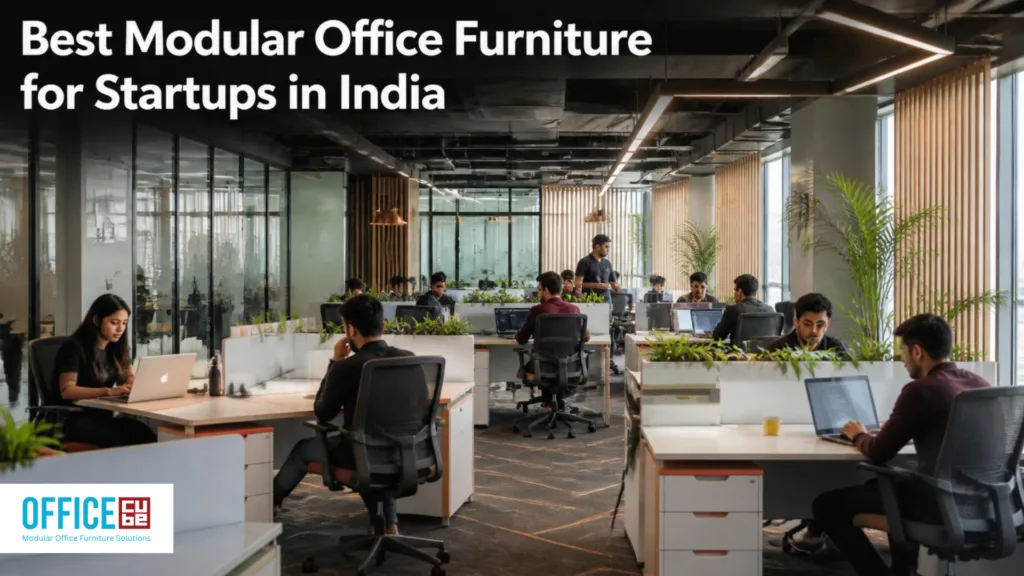
Modular office furniture for startups in India. The startup ecosystem in India is growing at an incredible pace. From Bengaluru and Hyderabad to Pune, Chennai, Gurgaon, and Ahmedabad, new businesses are launching every day. Along with innovation and technology, startups are also transforming the way offices are designed. Traditional office setups filled with bulky desks and fixed furniture are gradually being replaced by modular office furniture that offers flexibility, scalability, and cost efficiency.
The demand for modular office furniture is not just a trend. It reflects a larger shift in workplace culture. Recent industry reports show that the Indian office furniture market was valued at approximately USD 6.26 billion in 2025 and is expected to reach USD 14.12 billion by 2034, highlighting strong growth driven by hybrid work environments, coworking spaces, and ergonomic workplace design. The modular furniture segment itself reached around USD 4 billion in 2025 and is projected to nearly double by 2034. These numbers clearly indicate that businesses are investing heavily in flexible workplace solutions.
For startups, every square foot matters. Every rupee invested must generate value. That is why selecting the best modular office furniture can significantly impact productivity, collaboration, employee satisfaction, and future expansion. This guide explores the best modular office furniture options for startups in India and explains how to build a modern, scalable workspace without overspending.
Why Startups Are Choosing Modular Office Furniture
The Rise of Flexible Workspaces
Modern startups rarely operate like traditional corporations. Teams grow rapidly, departments evolve, and office layouts change frequently. A startup with ten employees today may become a fifty-member organization within a year. In such a dynamic environment, fixed furniture often becomes a limitation rather than an asset.
Modular furniture allows businesses to rearrange workspaces without major renovation costs. Instead of replacing furniture whenever the company grows, startups can simply add new modules to existing setups. This flexibility helps organizations adapt to changing workforce requirements while maintaining a professional office environment. Industry experts have identified flexible workstations, movable desks, and modular layouts as among the biggest workplace trends shaping Indian offices in 2026.
Another important factor is the increasing popularity of hybrid work models. Since employees may not be present in the office every day, startups are focusing on shared workspaces that maximize efficiency. Modular furniture supports this approach by enabling quick reconfiguration of office layouts based on daily occupancy levels.
Startup Growth Demands Adaptability
Imagine building a house where every wall is permanent, even though you know your family will grow. It would be impractical. The same logic applies to startup offices. Businesses need furniture that evolves alongside their operations.
Many Indian startups begin in compact offices or coworking spaces where maximizing available space is essential. Modular office furniture offers a practical solution by combining functionality with adaptability. Workstations can be expanded, collaborative zones can be created, and storage units can be repositioned as needed. This ability to scale gradually helps startups avoid expensive redesigns and furniture replacements.
The increasing demand for office space in India further supports this trend. Industry forecasts suggest that office leasing activity could reach 85–90 million square feet in 2026-27, driven by growing businesses and flexible workspace adoption. As companies continue expanding, demand for adaptable furniture solutions is expected to increase significantly.
Understanding Modular Office Furniture
What Makes Furniture Modular?
Modular office furniture consists of individual components designed to work together while allowing easy customization. Unlike traditional furniture, modular systems can be rearranged, expanded, reduced, or relocated without affecting their overall functionality.
Think of modular furniture like building blocks. Each component serves a purpose independently, but together they create a cohesive workspace. A workstation cluster, for example, can begin with four desks and later expand into eight or twelve desks by simply adding matching modules.
The concept extends beyond desks. Storage cabinets, partitions, meeting tables, seating arrangements, and reception counters can all be modular. This design philosophy gives startups the freedom to create workspaces tailored to their unique operational needs.
Key Components of a Modular Workspace
A fully functional modular office setup typically includes interconnected workstations, ergonomic seating, storage units, meeting room furniture, and collaborative work zones. These components are designed to complement one another while maintaining flexibility.
Today’s modular furniture also incorporates practical features such as integrated cable management systems, power access points, mobile storage units, and adjustable configurations. These additions improve workplace organization and support technology-driven workflows. Modern businesses increasingly prefer furniture that accommodates laptops, monitors, video conferencing tools, and charging stations without creating clutter.
The beauty of modular design lies in its simplicity. Whether a startup occupies 500 square feet or 10,000 square feet, modular furniture can be customized to fit the available space efficiently.
Benefits of Modular Furniture for Indian Startups
Cost Efficiency
One of the primary reasons startups invest in modular furniture is cost effectiveness. Startups typically operate with limited budgets and must allocate resources carefully. Every unnecessary expense can reduce investment in critical business functions such as marketing, technology development, and talent acquisition.
Modular furniture helps reduce long-term costs by eliminating the need for frequent replacements. Instead of purchasing entirely new furniture when expanding, startups can add new components to existing systems. This approach lowers capital expenditure while maintaining workplace consistency.
Current industry pricing suggests that furniture costs can vary significantly depending on quality and specifications, but modular systems generally offer better long-term value because of their reusability and scalability. Businesses can start small and expand gradually rather than making large upfront investments.
Scalability
Growth is the ultimate goal of every startup. Unfortunately, many businesses outgrow their office furniture faster than expected. Traditional furniture often becomes obsolete when team sizes increase or workspace layouts change.
Modular furniture eliminates this challenge. Workstations can expand, storage units can be added, and collaborative spaces can evolve without requiring complete redesigns. This scalability aligns perfectly with startup growth patterns.
Imagine hiring twenty new employees after a successful funding round. Instead of replacing existing desks, you simply add compatible workstation modules. The process is faster, more affordable, and less disruptive to daily operations.
Better Space Utilization
Office space in major Indian cities is expensive. Whether you’re operating in Bengaluru, Hyderabad, Mumbai, or Delhi NCR, maximizing every square foot is crucial.
Modular furniture is specifically designed to optimize space utilization. Compact workstation layouts, multifunctional desks, and mobile storage systems help startups create efficient workplaces without overcrowding. Flexible configurations allow businesses to allocate space according to operational priorities rather than furniture limitations.
This advantage is particularly important for startups working in shared offices or compact commercial spaces where efficient planning can significantly improve productivity and employee comfort.
Best Modular Office Furniture Categories
Modular Workstations
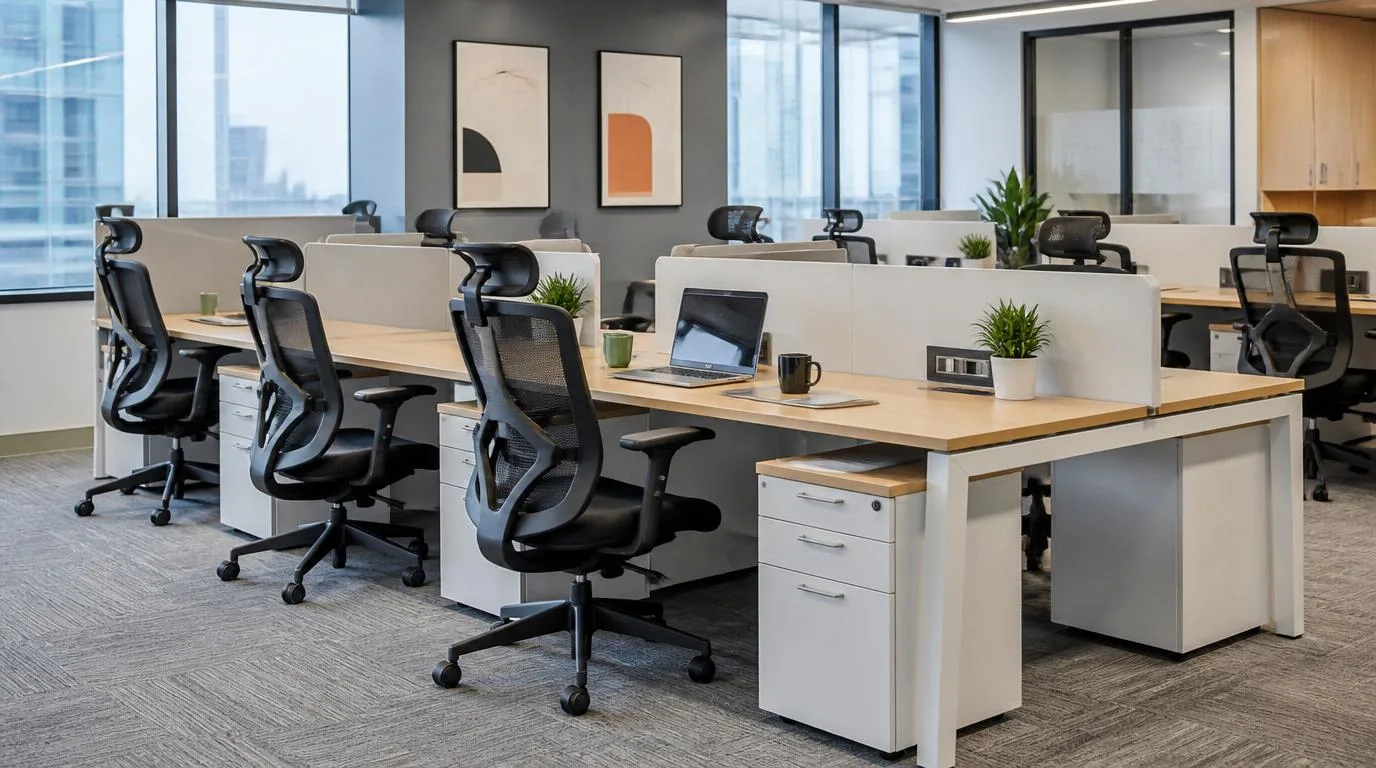
Modular workstations form the foundation of most startup offices. These systems typically consist of interconnected desks, partitions, cable management features, and storage options.
Their biggest advantage is flexibility. Teams can be grouped together for collaboration or separated for focused work. As departments grow, additional modules can be added without disrupting the existing layout.
Modern workstation systems also support hybrid work models by enabling desk-sharing arrangements and flexible seating configurations. This adaptability makes them ideal for startups navigating changing workforce patterns.
Height Adjustable Desks
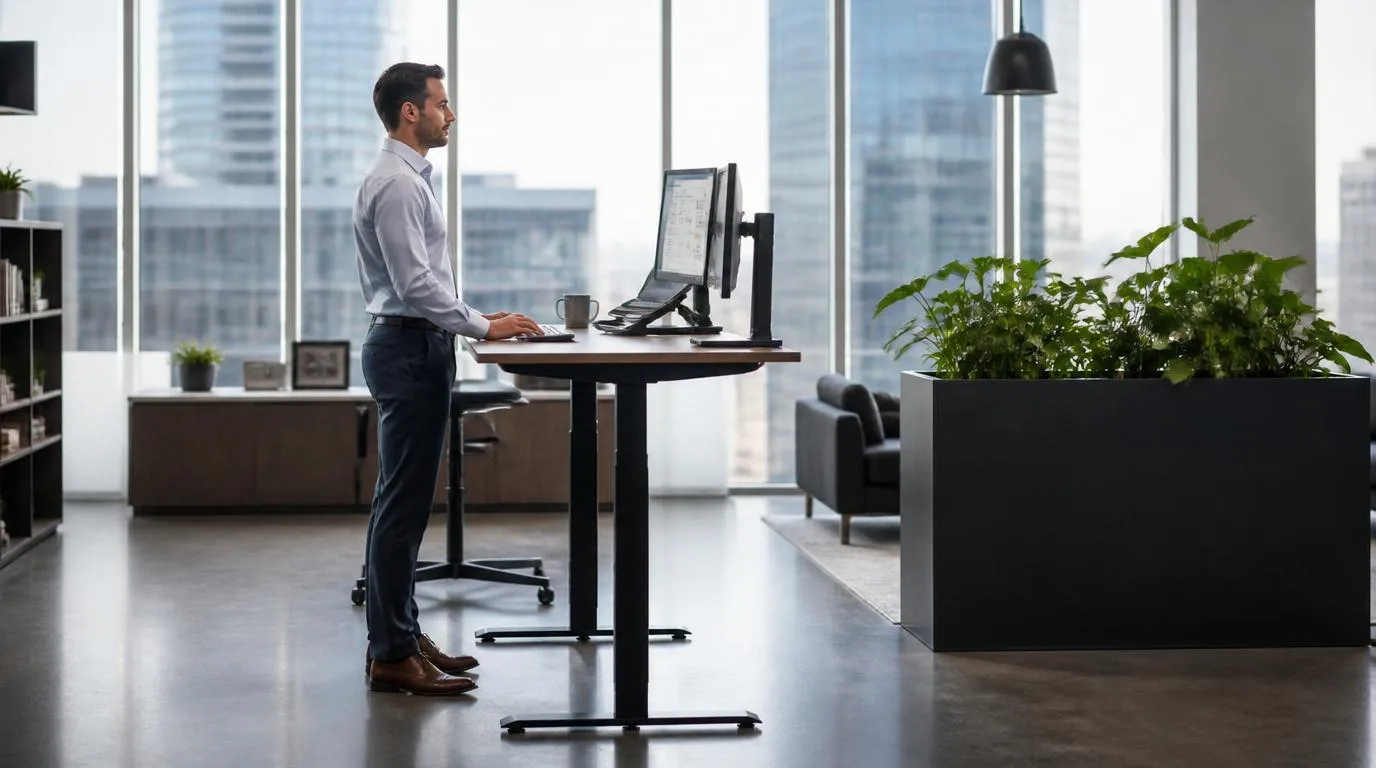
Employee wellness has become a major workplace priority. Height-adjustable desks allow users to alternate between sitting and standing throughout the day, reducing fatigue and promoting better posture.
Many startups are incorporating sit-stand desks into their office designs because they improve comfort and encourage movement. These desks also align with modern workplace trends focused on employee well-being and productivity. Industry observers identify height-adjustable workstations as one of the fastest-growing office furniture categories in India.
Ergonomic Office Chairs
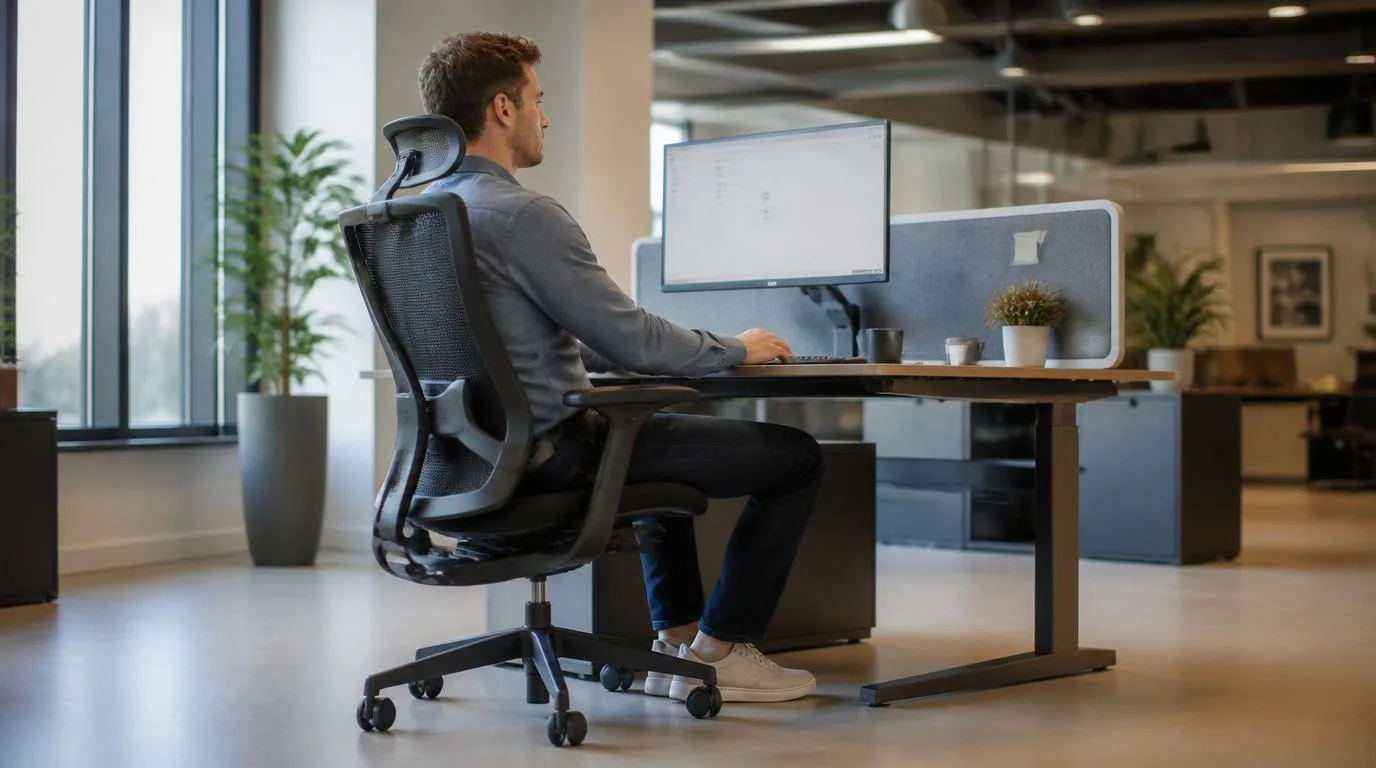
Even the most advanced workstation becomes ineffective if employees are uncomfortable. Ergonomic chairs provide proper lumbar support, adjustable seating positions, and improved posture management.
Since startup employees often spend long hours working on computers, investing in high-quality ergonomic seating can positively impact productivity, health, and job satisfaction. Research consistently shows a strong connection between workplace comfort and employee performance.
Modular Storage Solutions
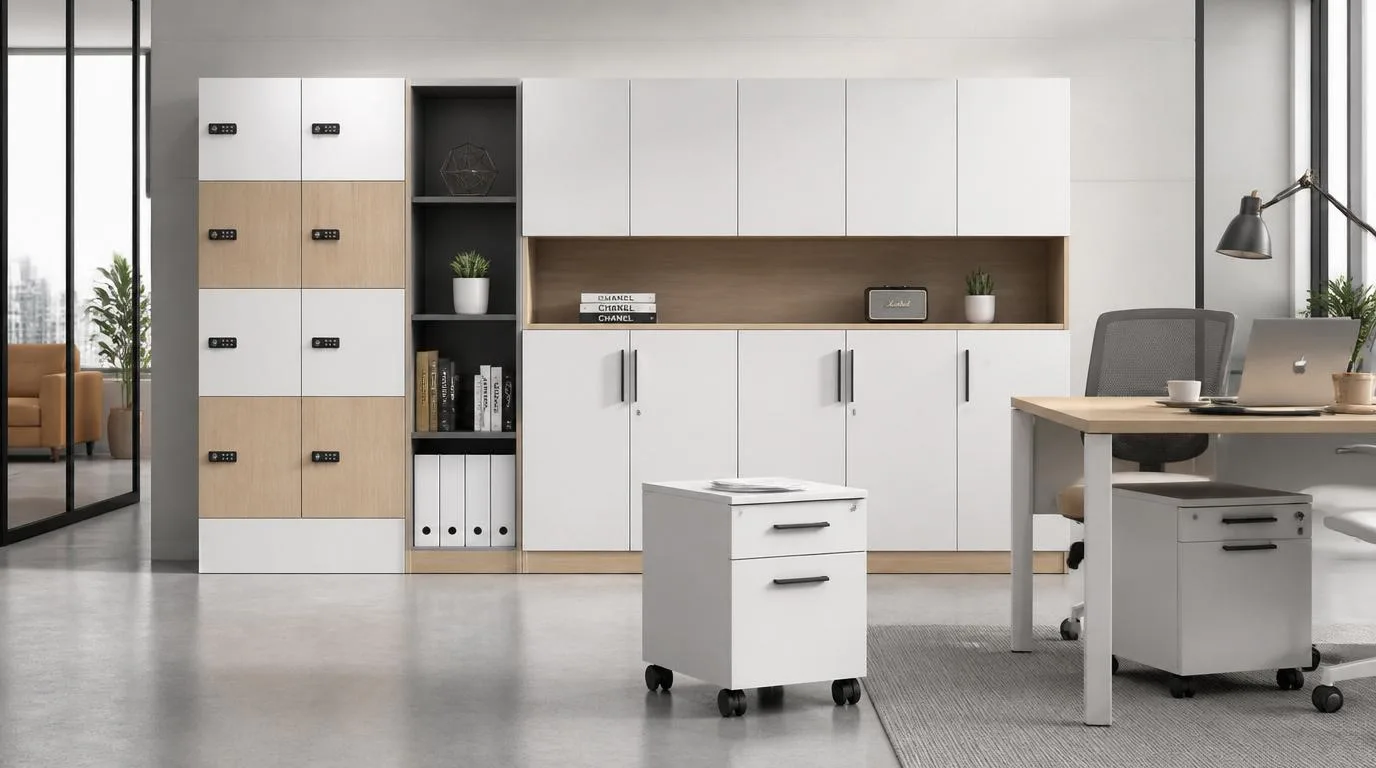
Storage remains essential despite the growth of digital workplaces. Employees still require secure spaces for documents, personal belongings, office supplies, and equipment.
Modular storage systems include mobile pedestals, filing cabinets, lockers, and shelving units that can be rearranged according to office requirements. Their mobility ensures that office layouts remain flexible while maintaining organizational efficiency.
Collaborative Meeting Furniture
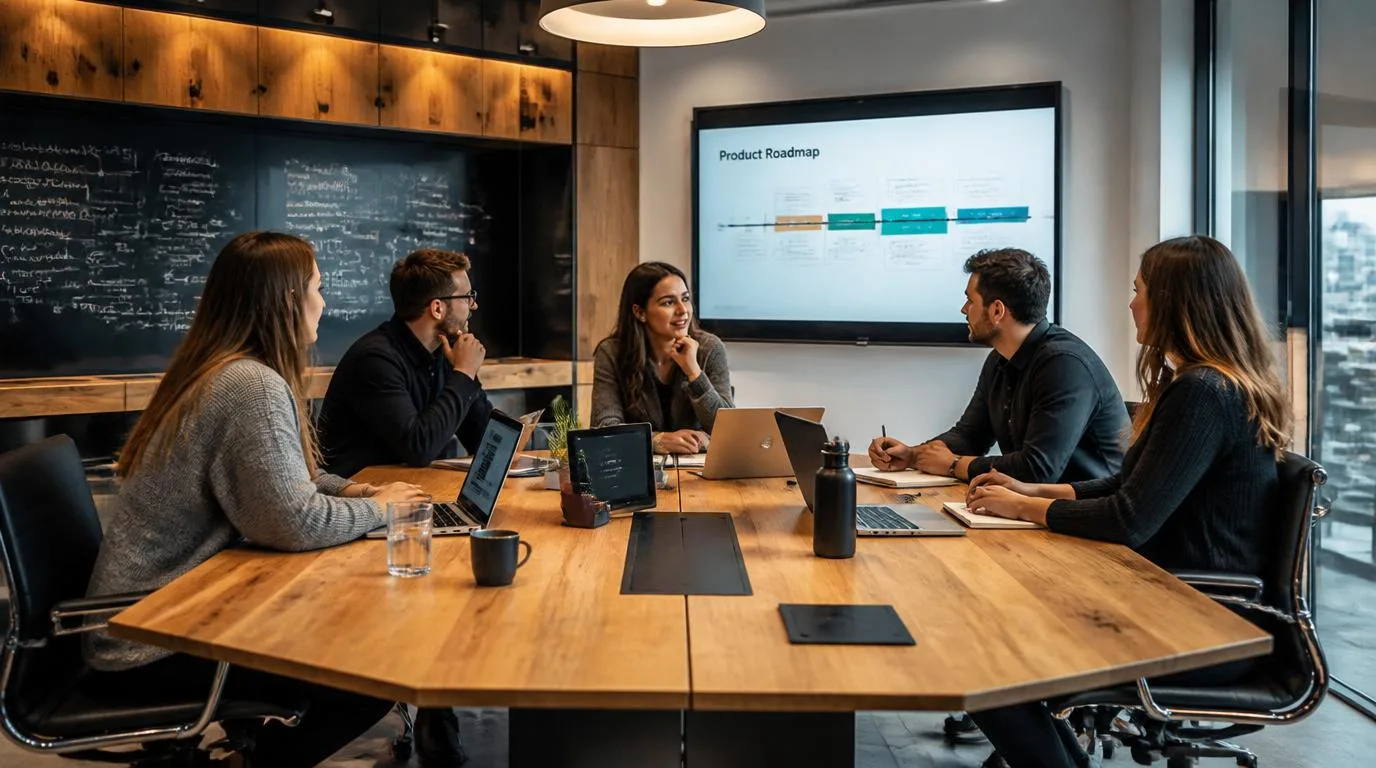
Innovation thrives through collaboration. Modular conference tables and collaborative seating solutions allow startups to create dynamic meeting environments that support brainstorming, presentations, and team discussions.
Many modern meeting tables feature integrated power outlets, charging ports, and cable management systems. These features enhance functionality while supporting technology-driven collaboration.
Latest Modular Office Furniture Trends in India
Hybrid Work-Ready Designs
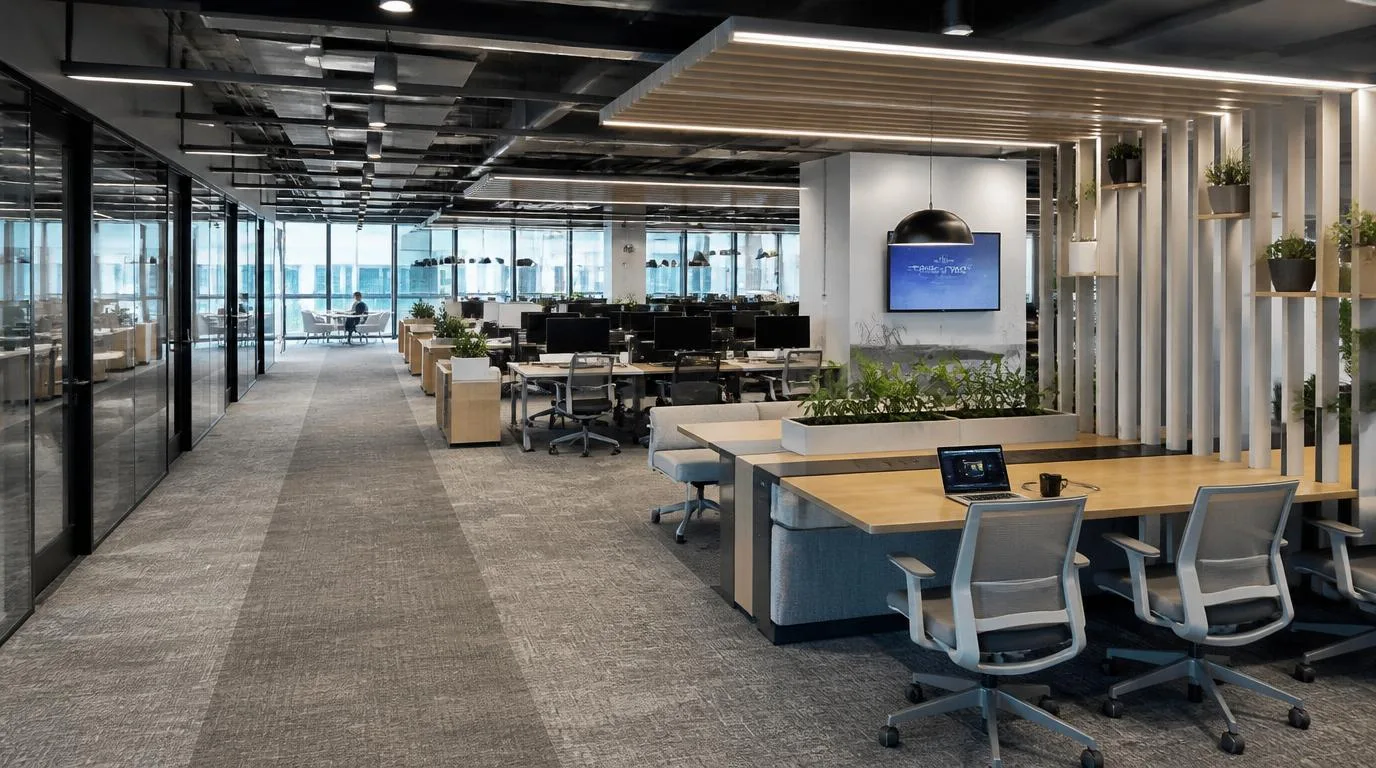
Hybrid work is no longer an experiment. It has become a permanent feature of modern workplaces. As a result, startups increasingly prefer modular workstations that support flexible occupancy patterns and shared seating arrangements.
Movable furniture, lightweight partitions, and reconfigurable workstations enable businesses to adjust layouts according to workforce requirements. This trend is expected to continue as organizations prioritize flexibility and operational efficiency.
Sustainable Furniture Materials
Environmental responsibility is influencing purchasing decisions across industries. Many startups now seek furniture made from sustainable materials, recycled components, and low-emission finishes.
Businesses pursuing green certifications are particularly interested in eco-friendly office furniture solutions. Sustainability is quickly becoming a competitive advantage rather than simply a compliance requirement.
Technology Integration
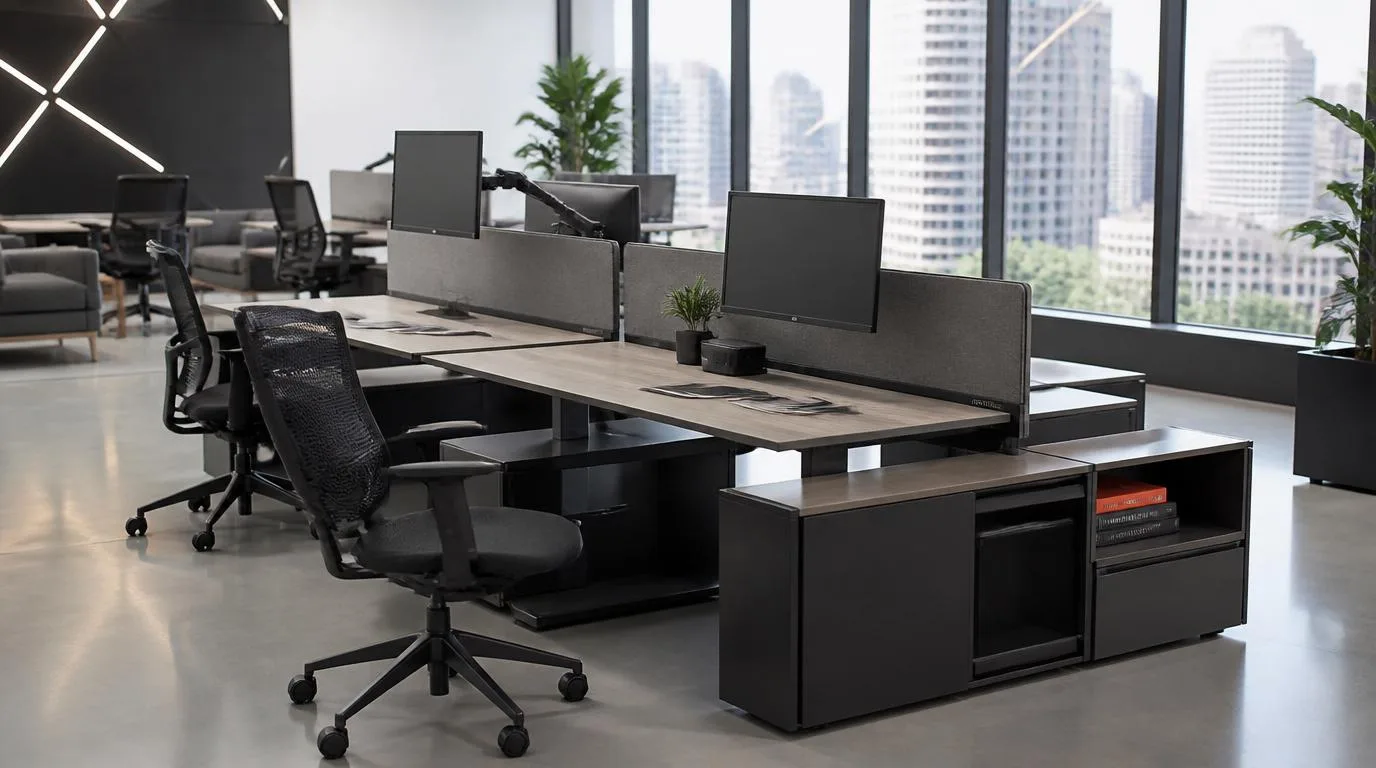
Modern offices depend heavily on technology. Furniture manufacturers are responding by incorporating charging stations, cable management systems, monitor mounts, and integrated power solutions into their products.
Technology-ready furniture improves workplace functionality while reducing clutter. Startups benefit from cleaner workspaces, improved connectivity, and better user experiences.
Common Mistakes Startups Should Avoid
Many startups make the mistake of prioritizing aesthetics over functionality. A beautiful office may impress visitors, but employee comfort and productivity should always come first. Choosing furniture solely based on appearance often leads to dissatisfaction and additional expenses later.
Another common error is underestimating future growth. Purchasing furniture that only meets current needs can create costly challenges when team sizes increase. Startups should always plan for expansion when selecting office furniture.
Ignoring ergonomics is equally problematic. Employees spend significant portions of their day seated at workstations. Poor-quality chairs and desks can negatively affect health, morale, and performance. Investing in ergonomic solutions may seem expensive initially, but the long-term benefits far outweigh the costs.
Businesses should also avoid selecting furniture without considering technology requirements. Modern offices require seamless integration of power, connectivity, and cable management. Planning for these needs early helps create a more efficient and organized workplace.
Conclusion
The best modular office furniture for startups in India combines flexibility, functionality, scalability, and employee comfort. As startup ecosystems continue expanding across the country, office spaces must evolve to support changing workforce dynamics and business objectives.
Modular workstations, ergonomic chairs, height-adjustable desks, storage systems, and collaborative furniture solutions provide the foundation for modern startup workplaces. These products help businesses maximize available space, control costs, improve productivity, and adapt quickly to growth.
The Indian office furniture market is experiencing remarkable expansion, fueled by hybrid work models, coworking growth, and increasing demand for employee-centric workplace design. Startups that invest in modular furniture today position themselves for sustainable growth tomorrow. Rather than viewing office furniture as a simple operational expense, forward-thinking founders recognize it as a strategic investment that supports innovation, collaboration, and long-term success.
FAQs
1. What is modular office furniture?
Modular office furniture consists of flexible, customizable components that can be rearranged, expanded, or modified according to workspace requirements.
2. Why is modular furniture ideal for startups?
Modular furniture supports scalability, cost efficiency, and space optimization, making it perfect for rapidly growing businesses.
3. How much does modular office furniture cost in India?
Costs vary depending on quality and specifications, but workstation systems typically range from ₹8,000 to ₹25,000 per seat.
4. Are height-adjustable desks worth the investment?
Yes. Height-adjustable desks improve employee comfort, encourage movement, and support workplace wellness initiatives.
5. What are the latest trends in modular office furniture?
Current trends include hybrid work-ready workstations, sustainable materials, ergonomic seating, technology integration, and flexible collaborative spaces.