Understanding Modular Office Storage Solutions
What Makes Storage “Modular”?
The modern workplace is evolving faster than ever before. Teams expand, departments reorganize, and hybrid work schedules continue to reshape how offices function. In this dynamic environment, traditional storage systems often struggle to keep up. Fixed cabinets, bulky filing units, and permanent storage walls can quickly become obstacles rather than assets. This is where modular office storage solutions enter the picture.
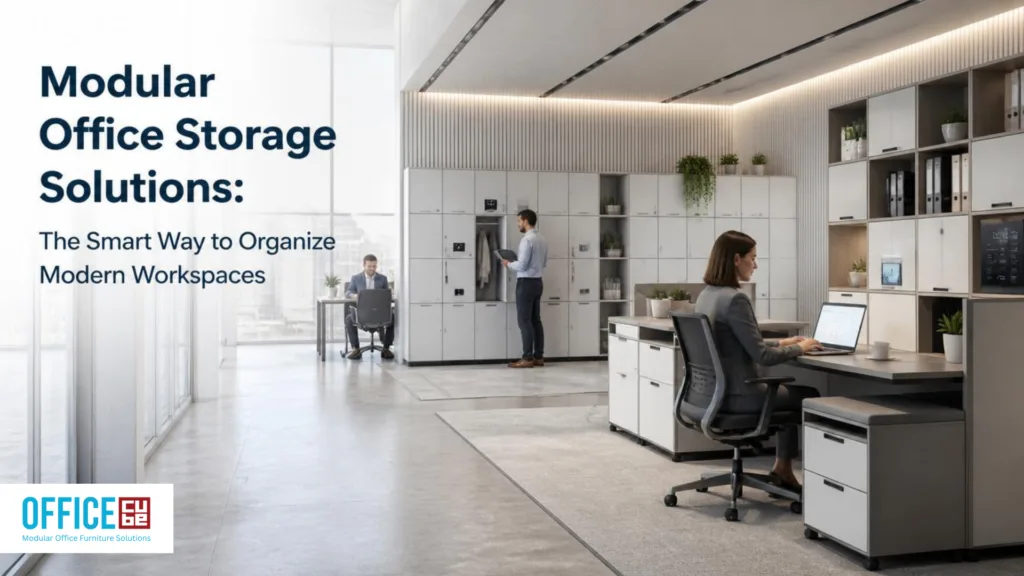
Modular storage refers to storage components that can be configured, expanded, moved, or customized according to changing business needs. Think of it as building blocks for workplace organization. Instead of investing in rigid furniture that remains fixed for years, businesses can create flexible storage arrangements using modular cabinets, lockers, shelving systems, mobile pedestals, and storage walls.
The concept is simple yet powerful. Imagine an office growing from 20 employees to 50 employees within a year. Traditional storage may require a complete redesign. Modular systems, on the other hand, allow businesses to add new units seamlessly without disrupting existing layouts. This adaptability makes modular storage particularly attractive for startups, coworking spaces, corporate offices, educational institutions, and growing enterprises.
The beauty of modularity lies in its ability to balance functionality and aesthetics. Modern storage solutions no longer need to look industrial or outdated. Today’s modular systems integrate sleek designs, technology-friendly features, and ergonomic principles to support productivity while enhancing workplace appearance.
Why Modern Offices Are Moving Away from Traditional Storage
Traditional office storage was designed for a different era. Decades ago, offices relied heavily on paper files, dedicated desks, and permanent workstations. Today’s workplaces operate differently. Digital transformation has reduced paperwork, hybrid work has introduced shared spaces, and businesses now prioritize flexibility over permanence.
Large storage cabinets often consume valuable floor space while offering limited adaptability. When office layouts change, these bulky units can become expensive obstacles. Modular solutions solve this challenge by providing movable, reconfigurable storage options that evolve alongside business requirements.
Organizations are increasingly recognizing that storage is not merely about keeping documents. It plays a critical role in workplace efficiency, employee satisfaction, and space utilization. Modern storage systems help create clutter-free environments that support focus, collaboration, and operational efficiency.
The Growing Demand for Modular Office Storage
Workplace Trends Driving Adoption
The demand for modular office furniture and storage continues to grow as organizations embrace flexible workplace strategies. Hybrid work models have significantly influenced office design decisions. Companies now require furniture and storage solutions capable of supporting both in-office and remote employees.
Flexible seating arrangements, hot-desking systems, and collaborative workspaces have become common across industries. These changes create a need for adaptable storage that can accommodate varying employee schedules and workspace configurations. Research on workplace evolution highlights how organizations increasingly prioritize adaptable environments to support changing work patterns.
Modern offices are also becoming more employee-centric. Businesses understand that organized environments contribute to better workplace experiences. Employees prefer clean, clutter-free spaces where they can easily access personal belongings and work materials. As a result, modular storage systems are becoming a foundational component of workplace planning.
Market Growth and Industry Statistics
The growth of modular office storage aligns with broader trends in the modular furniture market. Industry reports estimate the modular office furniture market at approximately USD 14–15 billion in 2025, with forecasts projecting strong growth through the next decade and annual growth rates exceeding 7% in many segments.
Commercial demand for modular furniture is among the fastest-growing segments globally, driven by office reconfiguration projects, hybrid work adoption, and the need for adaptable workplace environments. Office furniture systems are projected to experience particularly strong growth as organizations invest in flexible desks, storage units, and reconfigurable workspaces.
This growth reflects a fundamental shift in how businesses view office infrastructure. Storage is no longer seen as a static necessity but as a strategic asset that supports productivity and operational agility.
Key Benefits of Modular Office Storage Solutions
Space Optimization
Office space is expensive. Every square foot matters, especially in urban business districts where real estate costs continue to rise. Modular storage solutions maximize available space by utilizing vertical surfaces, under-desk areas, and multifunctional furniture designs.
Storage walls, compact shelving systems, and integrated cabinets help organizations store more while occupying less floor area. This approach creates open, spacious environments that encourage movement and collaboration. Rather than dedicating large portions of the office to filing cabinets and storage rooms, businesses can distribute storage intelligently throughout the workspace.
Efficient space utilization also contributes to better workplace flow. Employees spend less time navigating around bulky furniture and more time focusing on productive tasks.
Flexibility and Scalability
One of the strongest advantages of modular storage is its ability to grow alongside a business. Need additional storage for a new department? Add another module. Relocating to a larger office? Reconfigure existing units instead of purchasing entirely new furniture.
This scalability reduces long-term costs while providing operational flexibility. Organizations avoid the financial burden of replacing furniture every time workspace requirements change. Instead, they can continuously adapt existing systems to meet evolving needs.
The flexibility extends beyond expansion. Modular units can also be downsized, relocated, or repurposed, ensuring maximum return on investment throughout their lifecycle.
Improved Employee Productivity
A well-organized workspace directly impacts productivity. Studies consistently show that employees perform better in environments where resources are easy to locate and clutter is minimized. Research cited in workplace productivity surveys found that organized workspaces can significantly improve efficiency, with many workers reporting noticeable productivity gains in cleaner, better-organized environments.
Modular storage helps create structured work environments by providing dedicated spaces for documents, equipment, personal belongings, and office supplies. Employees spend less time searching for items and more time focusing on meaningful work.
The psychological benefits are equally important. Clutter often creates cognitive overload, making it harder to concentrate. Organized storage contributes to a calmer, more focused atmosphere that supports both individual and team performance.
Better Workplace Aesthetics
Modern offices are designed to inspire creativity, collaboration, and professionalism. Storage systems play a significant role in shaping workplace aesthetics. Modular solutions feature clean lines, contemporary finishes, and customizable designs that complement modern interiors.
Businesses can choose colors, materials, and configurations that align with brand identity while maintaining functionality. The result is a workplace that looks organized, professional, and welcoming.
Types of Modular Office Storage Solutions
Mobile Pedestals
Mobile pedestals are compact storage units mounted on wheels, allowing employees to move personal storage wherever needed. These units typically include drawers for documents, stationery, and personal items.
They are particularly valuable in hybrid offices where employees do not have assigned desks. Staff can store belongings securely while maintaining flexibility in workspace selection.
Modular Filing Cabinets
Despite digital transformation, many organizations still require physical document storage. Modular filing cabinets provide a modern solution by offering expandable storage systems that can be configured according to organizational needs.
Unlike traditional cabinets, modular versions can be stacked, combined, or rearranged without disrupting office layouts.
Smart Lockers
Smart lockers represent the next generation of office storage. Equipped with digital access controls, mobile app integration, and secure authentication methods, these lockers support modern workplace flexibility.
Employees can reserve lockers, receive notifications, and access personal storage using smartphones or access cards. Smart lockers are particularly effective in hybrid workplaces where desk ownership is no longer guaranteed.
Open Shelving Systems
Open shelving combines storage with visual accessibility. These systems are ideal for collaborative spaces, allowing employees to quickly access shared resources while maintaining an organized appearance.
They also provide opportunities to showcase awards, books, plants, and brand elements, creating a more engaging workplace environment.
Storage Walls
Storage walls maximize vertical space by integrating cabinets, shelves, and compartments into a single system. They serve as both storage solutions and space dividers, helping define workplace zones without constructing permanent walls.
This multifunctional approach is especially valuable in open-plan offices where flexibility is essential.
Under-Desk Storage Units
Under-desk storage offers a practical way to maximize workspace efficiency. These compact units utilize otherwise unused space while keeping essential items within easy reach.
They are particularly effective in smaller offices where every square foot matters.
How Modular Storage Supports Hybrid Workplaces
Personal Storage for Flexible Seating
Hybrid work has transformed office occupancy patterns. Employees may spend only part of the week in the office, making dedicated storage less practical. Modular storage addresses this challenge through personal lockers, mobile pedestals, and shared storage systems.
These solutions allow employees to securely store belongings without requiring permanent desk assignments. The office becomes more flexible while maintaining convenience and security.
Secure Storage for Shared Offices
Shared workspaces introduce unique storage challenges. Employees need confidence that personal items, devices, and documents remain secure even when multiple users occupy the same environment.
Modular storage systems equipped with locking mechanisms, digital access controls, and customizable compartments provide the security necessary for modern shared workplaces.
Choosing the Right Modular Office Storage
Assessing Workspace Requirements
Selecting the right storage solution begins with understanding organizational needs. Businesses should evaluate current storage challenges, employee work patterns, available space, and future growth plans.
Questions to consider include:
| Consideration | Why It Matters |
| Employee Count | Determines storage capacity requirements |
| Hybrid Work Policy | Influences locker and shared storage needs |
| Document Volume | Guides filing and archive storage decisions |
| Office Size | Impacts storage configuration options |
| Future Growth | Ensures scalability and adaptability |
Conducting a thorough assessment helps organizations avoid overinvesting or underinvesting in storage infrastructure.
Factors to Consider Before Buying
When evaluating modular storage systems, decision-makers should prioritize:
- Flexibility and reconfigurability
- Durability and material quality
- Security features
- Technology integration
- Design compatibility
- Warranty and maintenance support
The best storage solution balances immediate needs with long-term adaptability, ensuring sustained value over time.
Future Trends in Office Storage Solutions
The future of office storage is closely tied to technology, sustainability, and workplace flexibility. Smart lockers, IoT-enabled storage systems, and mobile-access solutions are becoming increasingly common as organizations embrace digital workplace strategies. Research into smart office environments highlights the growing integration of cloud technologies and connected workplace systems.
Sustainability is another major trend. Businesses are seeking storage systems made from recycled materials, responsibly sourced wood, and environmentally friendly manufacturing processes. Modular designs naturally support sustainability by extending furniture lifecycles and reducing waste.
Industry experts also anticipate continued growth in adaptable furniture solutions. As workplaces become more dynamic, organizations will increasingly prioritize storage systems that can evolve alongside changing workforce needs. Recent market analyses indicate strong ongoing growth for modular office systems driven by hybrid work, collaborative environments, and flexible workplace design.
Conclusion
Modular office storage solutions have become essential components of modern workplace design. They offer far more than simple organization. These systems support flexibility, improve productivity, maximize space utilization, and create visually appealing work environments.
As businesses continue adapting to hybrid work models and evolving employee expectations, the demand for scalable and intelligent storage solutions will only increase. From mobile pedestals and storage walls to smart lockers and integrated shelving systems, modular storage provides the versatility required for today’s dynamic workplaces.
Organizations that invest in modular storage are not simply purchasing furniture. They are building a workplace infrastructure capable of supporting growth, efficiency, and long-term success.
FAQs
1. What are modular office storage solutions?
Modular office storage solutions are flexible storage systems made up of interchangeable components that can be rearranged, expanded, or customized to suit changing workplace needs.
2. Why are modular storage systems better than traditional cabinets?
They provide greater flexibility, scalability, and space efficiency while allowing businesses to adapt office layouts without replacing entire storage systems.
3. Are smart lockers part of modular office storage?
Yes. Smart lockers are a modern form of modular storage that offers secure, technology-enabled storage for employees in hybrid and flexible workplaces.
4. How do modular storage solutions improve productivity?
They reduce clutter, improve organization, make resources easier to access, and create cleaner work environments that support employee focus.
5. Which industries benefit most from modular office storage?
Corporate offices, coworking spaces, educational institutions, healthcare facilities, government organizations, and rapidly growing businesses all benefit significantly from modular storage solutions.