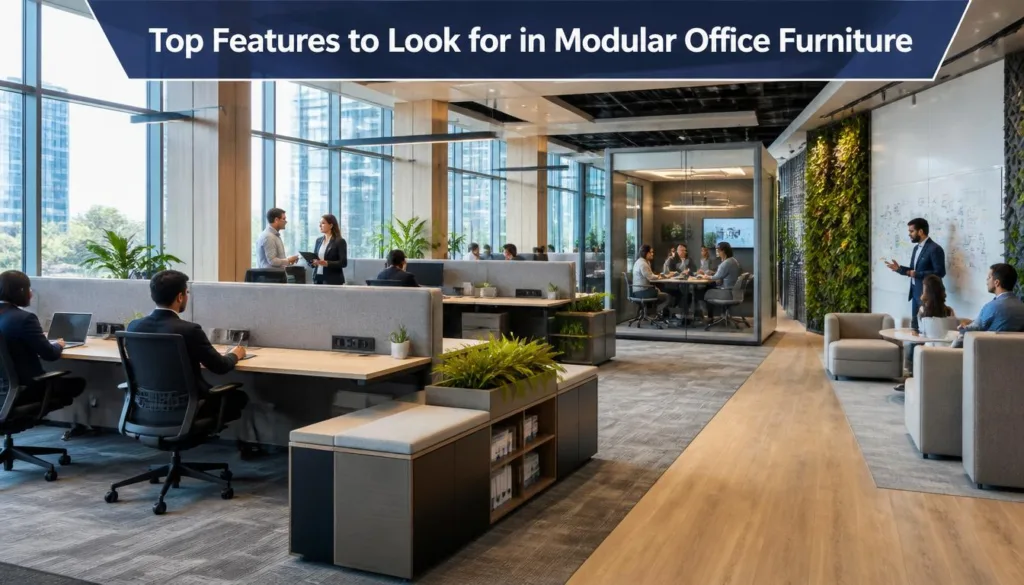
Modern offices are changing faster than ever before. The traditional office filled with bulky desks and fixed cubicles is gradually being replaced by dynamic, collaborative, and highly adaptable workspaces. As hybrid work models continue to reshape workplace expectations, businesses are investing in furniture solutions that can evolve alongside their teams. This is where modular office furniture stands out as one of the smartest investments an organization can make.
Recent workplace design trends highlight that flexibility, ergonomics, sustainability, and technology integration are among the most important considerations for office furniture purchases in 2025 and beyond. Organizations are increasingly choosing modular workstations, movable partitions, collaborative seating, and adaptable desk systems to support changing workforce needs. Hybrid work models have significantly increased demand for furniture that can be rearranged quickly and efficiently.
But not all modular office furniture is created equal. Choosing the right solution requires understanding which features deliver the most value, functionality, and long-term return on investment. This guide explores the top features you should look for when selecting modular office furniture for your workplace.
Understanding Modular Office Furniture
Before diving into specific features, it is important to understand what modular office furniture actually means. Modular furniture consists of individual components that can be combined, rearranged, expanded, or modified to suit changing workplace requirements. Unlike traditional office setups that remain fixed for years, modular furniture allows businesses to create flexible environments that adapt to team growth, project requirements, and evolving work styles.
Think of modular office furniture as building blocks for your workspace. Just as children can create countless structures using the same set of blocks, organizations can configure modular furniture in numerous ways to support different functions. Whether you need collaborative workstations today or private focus zones tomorrow, modular systems provide the freedom to redesign without major renovation expenses.
What Makes Furniture Modular?
The defining characteristic of modular furniture is its ability to be reconfigured. Components such as desks, partitions, storage units, seating arrangements, and meeting tables are designed to connect seamlessly while remaining easy to separate and rearrange. This flexibility allows organizations to maximize space utilization while maintaining operational efficiency.
Modern modular systems often include movable partitions, modular workstations, collaborative pods, and adaptable seating solutions. These systems help businesses respond quickly to organizational changes without purchasing entirely new furniture. As workplaces continue embracing hybrid and activity-based work environments, modularity has become a critical factor in office design.
Why Businesses Are Choosing Modular Solutions
Companies today face constant change. Teams expand, departments merge, projects evolve, and workplace strategies shift. Traditional furniture often struggles to keep pace with these changes. Modular furniture provides a future-ready solution that minimizes disruption while supporting growth.
Beyond flexibility, modular furniture also improves cost efficiency. Organizations can add new modules as needed rather than replacing entire furniture systems. This approach reduces waste, lowers capital expenditure, and ensures workplaces remain functional regardless of future changes.
Flexibility and Adaptability
If there is one feature that defines exceptional modular office furniture, it is flexibility. The ability to adapt a workspace quickly can significantly impact productivity, collaboration, and employee satisfaction.
Modern organizations require spaces that support both individual focus work and collaborative activities. Furniture systems that can transition between these functions provide unmatched versatility. Industry experts consistently identify flexibility as one of the most important workplace design trends influencing office furniture decisions today.
Reconfigurable Workstations
Reconfigurable workstations allow businesses to transform layouts with minimal effort. Teams can create collaborative clusters for brainstorming sessions or establish private work zones for focused tasks. This adaptability is especially valuable in hybrid work environments where occupancy levels fluctuate throughout the week.
A high-quality modular workstation system should allow desks to connect, disconnect, and rearrange easily. Mobility features such as caster wheels, lightweight frames, and tool-free assembly mechanisms further enhance flexibility. Organizations can optimize workspace utilization without investing in expensive office renovations.
Scalable Furniture Systems
Scalability is another essential consideration. Businesses rarely remain the same size indefinitely. As teams grow, furniture systems should expand seamlessly without compromising aesthetics or functionality.
Scalable modular furniture enables organizations to add desks, storage units, partitions, or meeting spaces as needed. This approach protects the initial investment while supporting long-term growth. Rather than replacing entire office layouts, businesses simply integrate additional modules into the existing system.
Ergonomic Design Features
Employee well-being has become a top priority for organizations worldwide. Long hours spent at desks can contribute to fatigue, discomfort, and musculoskeletal issues. As a result, ergonomics has evolved from a luxury feature into a workplace necessity.
Research and industry trends consistently highlight ergonomic furniture as one of the leading office design priorities. Adjustable desks, ergonomic seating, and posture-supportive workstations are becoming standard features in modern offices.
Adjustable Desks and Workstations
Height-adjustable desks are among the most valuable ergonomic features available today. These desks allow employees to alternate between sitting and standing positions throughout the workday, reducing strain and promoting movement.
Many modern modular systems integrate sit-stand functionality directly into workstation designs. Advanced models include memory settings, anti-collision technology, and seamless height adjustment mechanisms. These features enhance comfort while supporting healthier work habits.
Employee Health and Productivity Benefits
Comfort directly impacts productivity. Employees who feel physically supported are more likely to remain focused, engaged, and productive throughout the day. Ergonomic furniture helps reduce common workplace complaints such as back pain, neck strain, and fatigue.
Industry leaders increasingly view ergonomic furniture as a strategic investment rather than an optional upgrade. By prioritizing employee well-being, organizations can improve job satisfaction, reduce absenteeism, and create healthier work environments.
Space Optimization Capabilities
Office space is one of the most expensive resources businesses manage. Maximizing its efficiency can significantly impact operational costs and employee experience.
Modular office furniture excels at optimizing space because it can be customized to fit virtually any floor plan. Whether working with a compact startup office or a large corporate headquarters, modular systems help organizations make better use of available square footage.
Smart Layout Planning
Traditional office layouts often result in underutilized areas. Modular furniture enables businesses to create layouts tailored to actual work patterns rather than rigid design conventions.
Workstations can be arranged to encourage collaboration, improve traffic flow, and maximize natural light exposure. Meeting spaces can expand or contract based on demand. The result is a more efficient and responsive workplace environment.
Multi-Functional Furniture Components
Multi-functional furniture delivers additional value by serving multiple purposes simultaneously. Examples include desks with integrated storage, seating with built-in power outlets, and movable partitions that double as whiteboards.
These versatile components help organizations reduce clutter while increasing functionality. Every piece contributes more value, making the office both efficient and adaptable.
Technology Integration
Technology is no longer separate from furniture. Modern workspaces depend on seamless connectivity, and office furniture must support this reality.
As organizations rely increasingly on digital collaboration tools, furniture manufacturers are integrating technology directly into workstation designs. Tech-enabled furniture enhances convenience while reducing workplace clutter.
Built-In Power and Connectivity
Employees need constant access to power sources and network connectivity. Furniture equipped with integrated charging stations, USB ports, wireless charging pads, and power modules eliminates the frustration of searching for outlets.
Conference tables with built-in connectivity solutions also improve meeting efficiency. Teams can connect devices quickly without complicated cable arrangements.
Cable Management Systems
Nothing makes an office look disorganized faster than tangled cables. Effective cable management systems keep wires hidden, protected, and accessible.
High-quality modular furniture includes dedicated channels, cable trays, and concealed routing systems that maintain a clean and professional appearance. These features also improve safety by reducing tripping hazards.
Durability and Material Quality
Office furniture is a long-term investment. Durability should never be sacrificed for aesthetics alone.
Commercial environments place significant demands on furniture. Daily use, frequent reconfiguration, and employee movement can quickly expose weaknesses in poorly constructed products. Choosing durable materials ensures furniture maintains its appearance and performance for years.
Long-Term Investment Value
While lower-cost furniture may seem attractive initially, frequent repairs and replacements often result in higher overall costs. Durable modular furniture provides better long-term value because it withstands heavy use while retaining functionality.
Businesses should evaluate warranty coverage, material specifications, and construction quality before making purchasing decisions. Investing in premium materials often reduces total ownership costs over time.
Choosing Commercial-Grade Materials
Commercial-grade materials such as powder-coated steel, high-pressure laminates, engineered wood, and durable upholstery fabrics offer superior performance in demanding environments.
These materials resist scratches, stains, impacts, and wear. They also maintain their appearance longer, helping organizations project a professional image.
Sustainability and Eco-Friendly Features
Sustainability has become a major consideration in workplace design. Organizations are increasingly seeking furniture solutions that align with environmental goals and corporate social responsibility initiatives.
Current office furniture trends emphasize recyclable materials, circular design principles, and long-lasting construction. Many businesses now prioritize furniture that can be repaired, reused, or recycled rather than discarded.
Recyclable and Reusable Materials
Look for furniture manufactured using recycled metals, responsibly sourced wood, and recyclable plastics. These materials reduce environmental impact while supporting sustainable business practices.
Modular furniture naturally contributes to sustainability because individual components can be replaced or upgraded without discarding entire systems. This approach significantly reduces waste.
Green Office Initiatives
Sustainable furniture supports broader green workplace initiatives. Companies pursuing environmental certifications often benefit from choosing products that meet recognized sustainability standards.
Employees also appreciate working in environmentally responsible organizations. Sustainable furniture choices can strengthen employer branding while contributing to long-term environmental goals.
Storage and Organization Solutions
An organized office is a productive office. Effective storage solutions help employees maintain focus while reducing workplace clutter.
Modular office furniture should include flexible storage options that adapt to changing organizational needs. Integrated storage systems improve accessibility without sacrificing workspace efficiency.
Integrated Storage Options
Storage components such as mobile pedestals, modular cabinets, overhead storage units, and personal lockers enhance organization while maintaining design consistency.
The best systems allow storage modules to move alongside workstations as layouts change. This flexibility ensures storage remains functional regardless of workspace reconfiguration.
Aesthetics and Brand Identity
Functionality matters, but appearance plays an equally important role. Office furniture contributes significantly to workplace culture, employee experience, and brand perception.
Visitors often form first impressions based on workplace design. A well-designed office communicates professionalism, innovation, and organizational values.
Customization and Design Flexibility
Modern modular furniture offers extensive customization options. Organizations can select finishes, colors, materials, fabrics, and configurations that align with their brand identity.
The ability to customize furniture ensures consistency throughout the workplace while creating a unique environment that reflects company culture. Clean lines, contemporary finishes, and cohesive design elements help establish a professional and inspiring atmosphere.
Conclusion
Choosing the right modular office furniture involves much more than selecting desks and chairs. Today’s workplaces demand solutions that support flexibility, employee well-being, technological integration, sustainability, and long-term growth. The best modular furniture systems combine all these features while maintaining durability and visual appeal.
As hybrid work continues influencing workplace design, organizations need furniture capable of adapting to changing business requirements. Reconfigurable workstations, ergonomic features, integrated technology, sustainable materials, and scalable systems have become essential rather than optional. Businesses that invest in these features create workplaces that are productive, efficient, and future-ready.
When evaluating modular office furniture, focus on solutions that balance functionality with adaptability. A thoughtfully designed modular workspace can improve collaboration, maximize space utilization, support employee wellness, and provide exceptional value for years to come.
FAQs
1. What is modular office furniture?
Modular office furniture consists of customizable and reconfigurable components that can be rearranged, expanded, or modified to suit changing workplace needs.
2. Why is modular furniture better than traditional office furniture?
Modular furniture offers greater flexibility, scalability, and cost efficiency. It allows organizations to adapt layouts without replacing entire furniture systems.
3. Are modular workstations suitable for hybrid offices?
Yes. Modular workstations are ideal for hybrid offices because they can accommodate changing occupancy levels, collaborative work, and flexible seating arrangements.
4. What ergonomic features should I prioritize?
Look for height-adjustable desks, ergonomic chairs with lumbar support, monitor arms, and workstation configurations that promote healthy posture.
5. How does modular furniture support sustainability?
Modular furniture reduces waste by allowing individual components to be repaired, replaced, or upgraded instead of discarding entire furniture systems. Many products also utilize recyclable and environmentally responsible materials.