
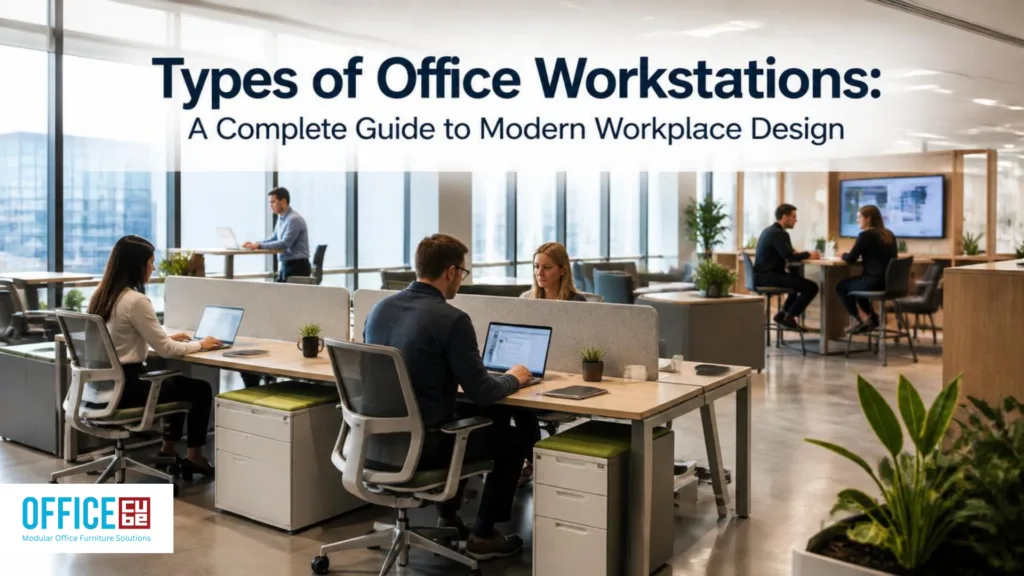
Understanding Office Workstations and Their Importance
Office workstations are the foundation of a productive workplace. They define how employees interact, collaborate, concentrate, and perform daily tasks. A well-designed workstation does far more than provide a desk and chair; it creates an environment that supports efficiency, comfort, communication, and organizational goals.
Modern businesses recognize that workstation design directly influences employee satisfaction and performance. As workplace expectations evolve, organizations are moving away from traditional layouts and adopting flexible solutions that accommodate different work styles. Whether a company operates in a corporate office, a creative studio, or a hybrid environment, selecting the right workstation type is essential for maximizing productivity and optimizing office space.
Open Plan Workstations
Features of Open Workstations
Open plan workstations are among the most widely used office layouts today. They consist of multiple desks arranged in a shared environment with minimal partitions. This design encourages communication and teamwork while making efficient use of available floor space.
Open workstations typically include:
- Shared desk arrangements
- Low dividers or no partitions
- Collaborative seating configurations
- Easy accessibility among team members
Benefits of Open Office Layouts
Organizations often choose open workstations because they promote collaboration and transparency. Employees can quickly exchange ideas, solve problems, and communicate without barriers.
Additional advantages include:
| Benefit | Description |
| Improved Communication | Encourages faster interaction between teams |
| Space Efficiency | Accommodates more employees in less space |
| Cost Savings | Requires fewer materials and partitions |
| Team Collaboration | Supports group projects and brainstorming |
Despite these benefits, companies should balance openness with areas designed for focused work.
Cubicle Workstations
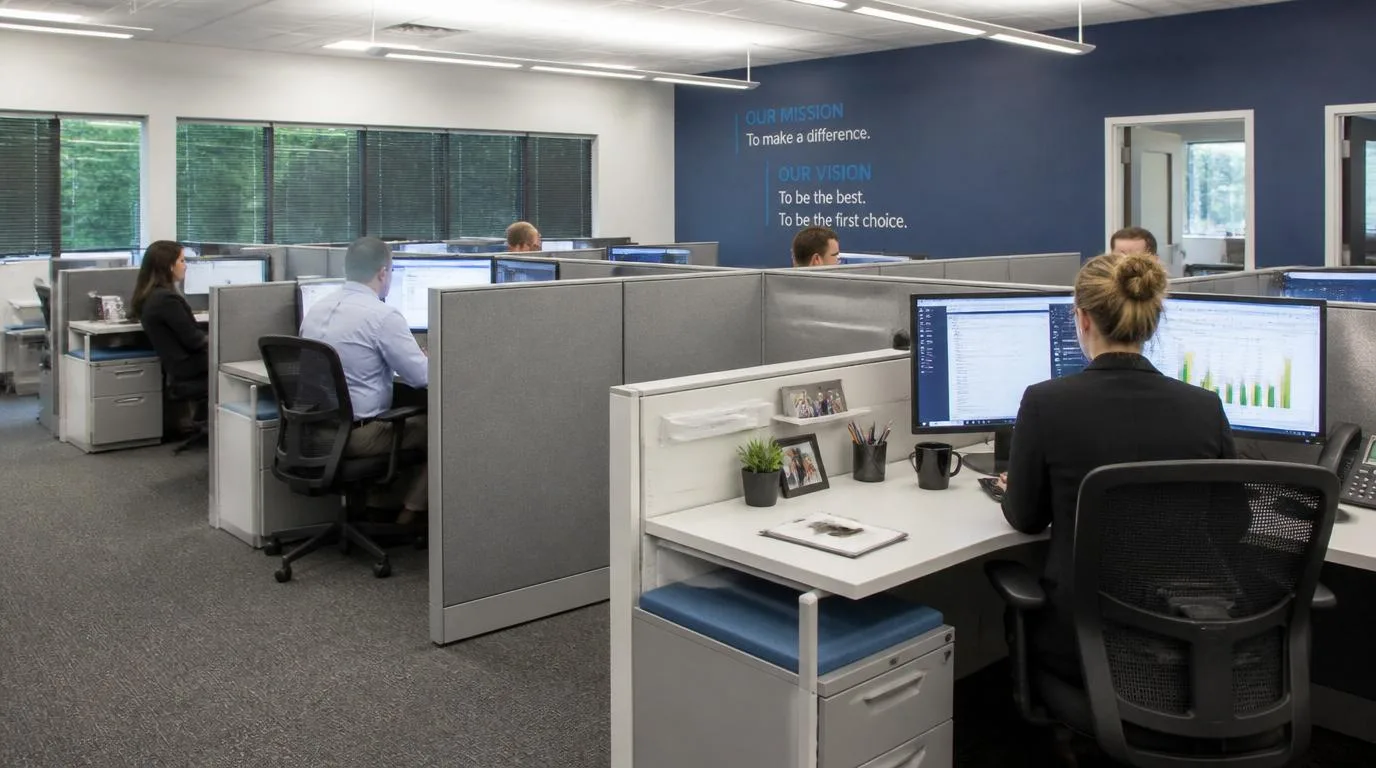
What Are Cubicle Workstations?
Cubicles remain one of the most recognizable office workstation types. They feature semi-enclosed spaces separated by partitions that provide privacy while maintaining accessibility.
These workstations are commonly used in corporate environments where employees require concentration and dedicated workspace.
Advantages of Cubicle Offices
Cubicles offer several benefits that make them valuable in many organizations:
- Reduced workplace distractions
- Increased personal space
- Better organization of work materials
- Enhanced concentration for individual tasks
Modern cubicle designs have evolved significantly from traditional models. Contemporary versions incorporate ergonomic furniture, attractive finishes, and improved flexibility.
Private Office Workstations
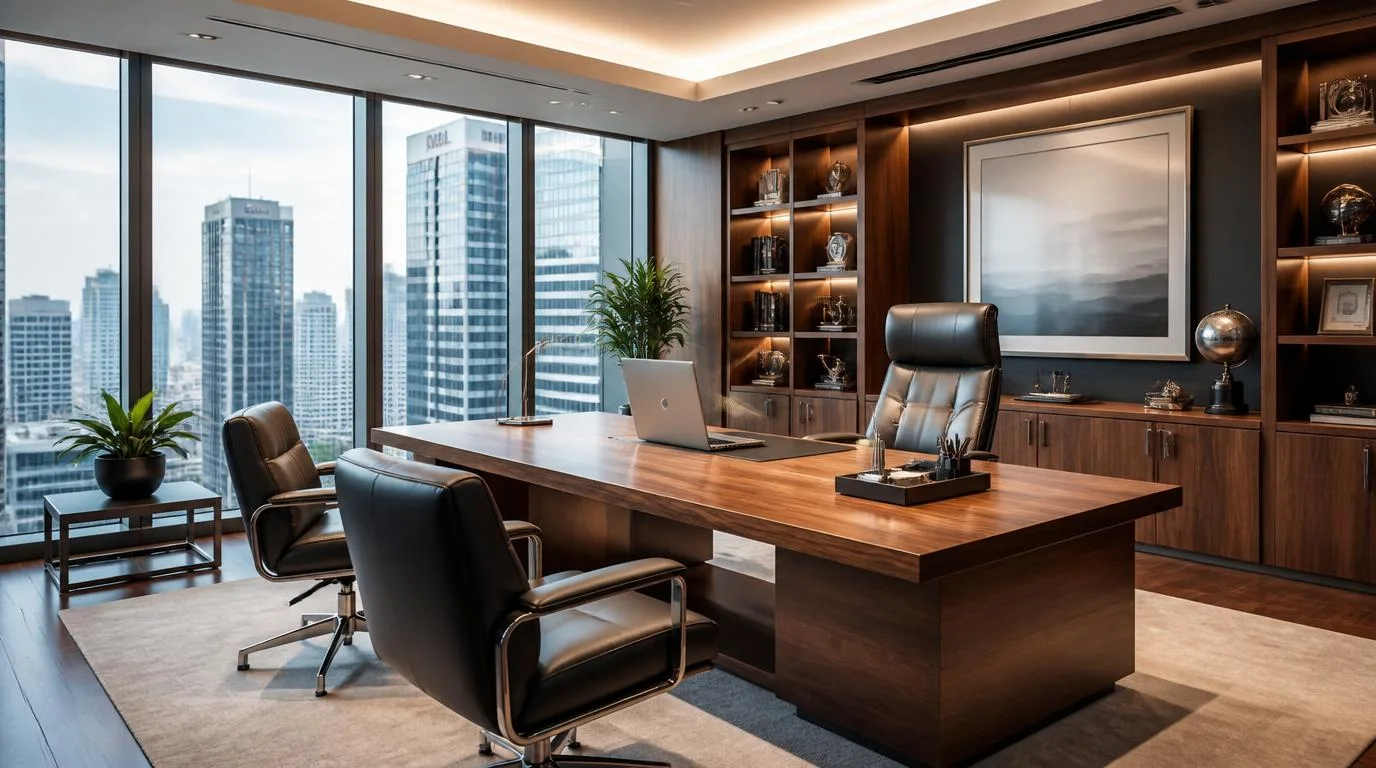
Executive and Managerial Offices
Private offices are enclosed workspaces designed for executives, managers, and professionals who require confidentiality and uninterrupted focus. These workstations offer maximum privacy and often include premium furnishings.
Private offices are particularly useful for:
- Confidential meetings
- Strategic planning
- Client consultations
- Leadership responsibilities
Benefits of Private Workspaces
A private workstation provides an environment free from constant interruptions. Employees handling sensitive information often perform better in a secluded setting where conversations remain confidential.
Organizations that rely on frequent client interactions also benefit from private offices because they create a professional atmosphere and support productive discussions.
Collaborative Team Workstations

Designed for Group Productivity
Collaborative workstations are specifically arranged to facilitate teamwork. Instead of focusing on individual employees, these setups support groups working toward shared objectives.
Common features include:
- Large shared tables
- Integrated technology
- Flexible seating
- Whiteboards and presentation tools
Why Collaborative Spaces Matter
Businesses increasingly depend on cross-functional teams. Collaborative workstations encourage spontaneous discussions, accelerate decision-making, and improve innovation.
When employees can easily communicate and exchange ideas, projects often move forward more efficiently. These environments are especially valuable in creative industries, technology companies, and project-based organizations.
Hot Desking Workstations
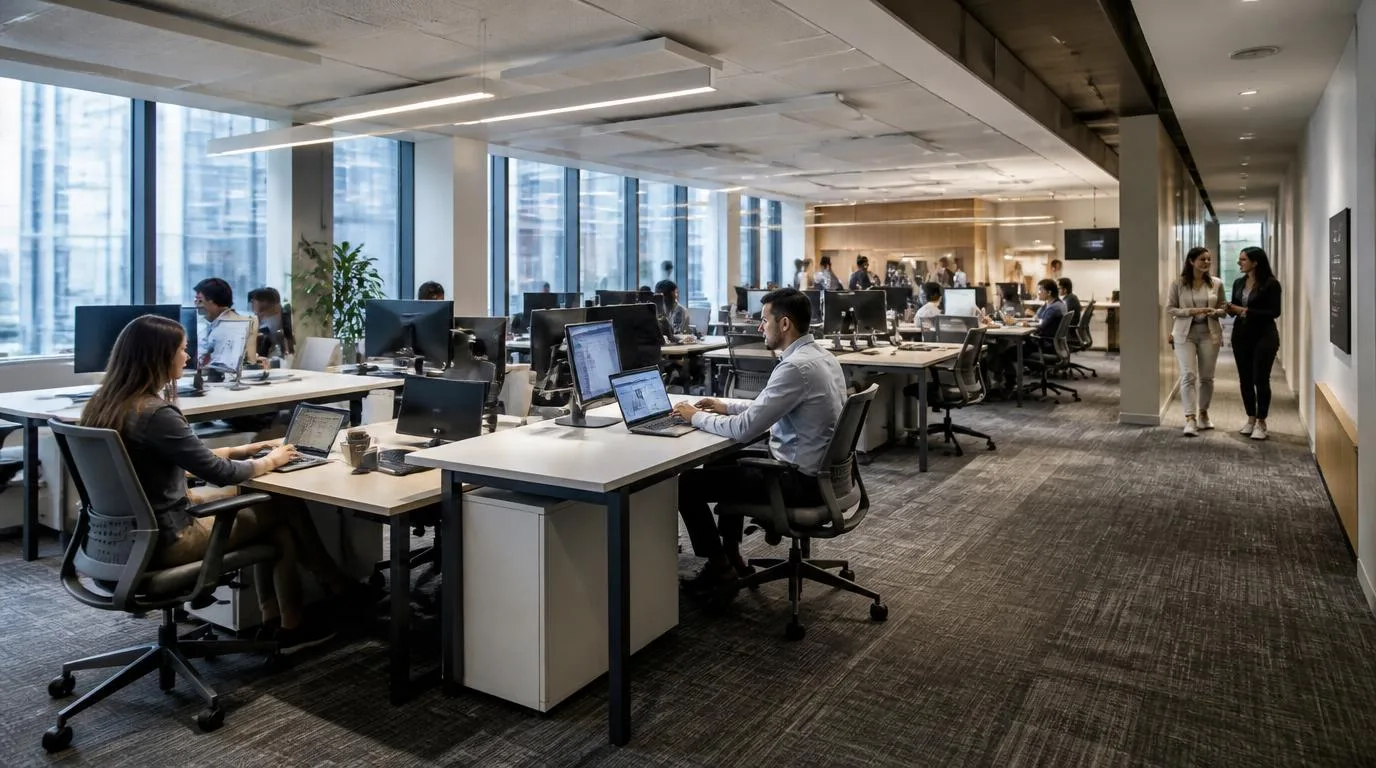
The Rise of Flexible Workspaces
Hot desking allows employees to use available workstations rather than having assigned desks. This concept has become increasingly popular as remote and hybrid work models gain traction.
Employees simply select an open workstation when they arrive at the office.
Advantages of Hot Desking
Hot desking offers significant organizational benefits:
| Advantage | Impact |
| Space Optimization | Reduces unused desk space |
| Lower Costs | Decreases office overhead |
| Flexibility | Supports hybrid work schedules |
| Increased Interaction | Encourages networking across departments |
This approach works particularly well for organizations with mobile teams and flexible attendance patterns.
Bench Workstations
What Are Benching Systems?
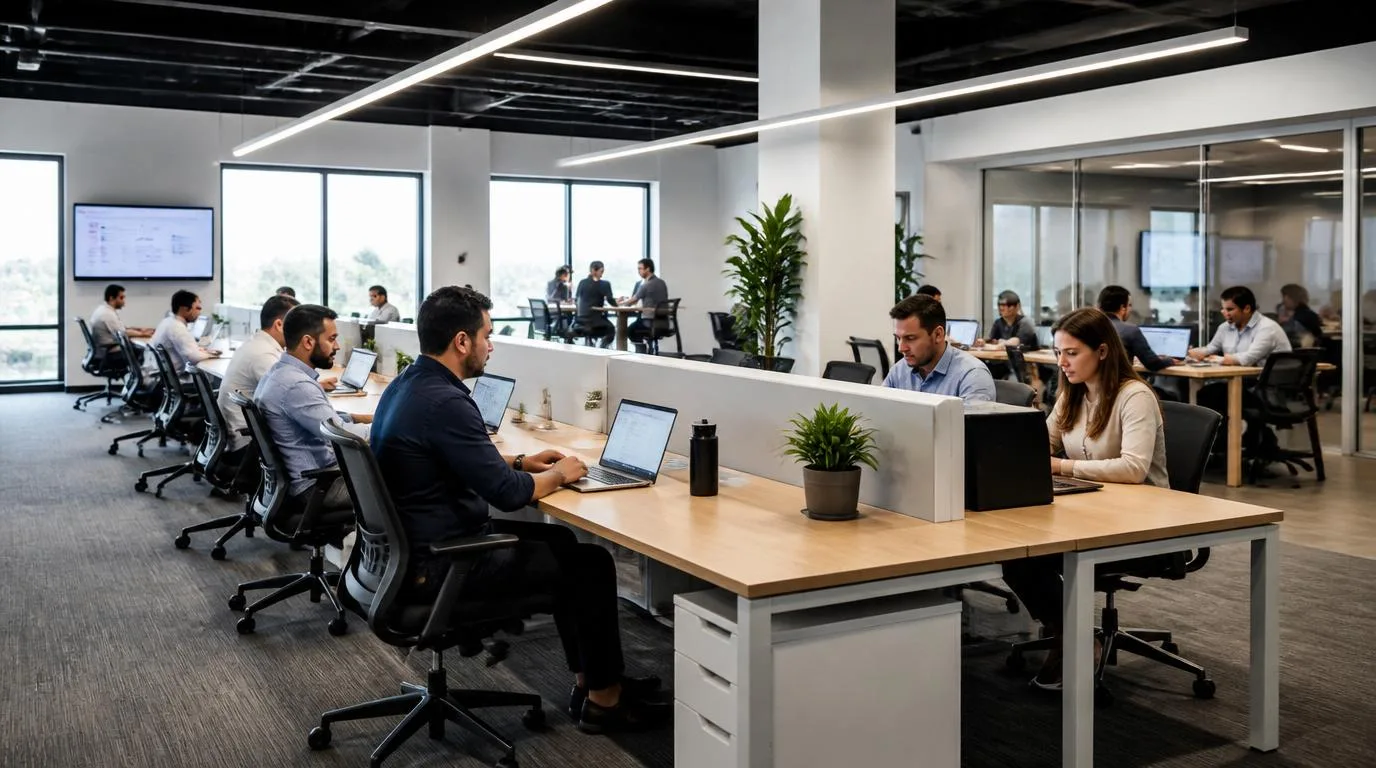
Bench workstations consist of long, continuous desk surfaces shared by multiple employees. Unlike cubicles, benching systems minimize barriers and maximize openness.
These workstations are common in modern corporate environments seeking a balance between collaboration and efficient space utilization.
Key Benefits of Bench Workstations
Bench systems provide:
- Efficient use of floor space
- Easy communication between colleagues
- Streamlined office aesthetics
- Simplified furniture management
Many organizations favor benching because it creates a clean, contemporary appearance while supporting teamwork.
Standing Workstations
Promoting Employee Wellness
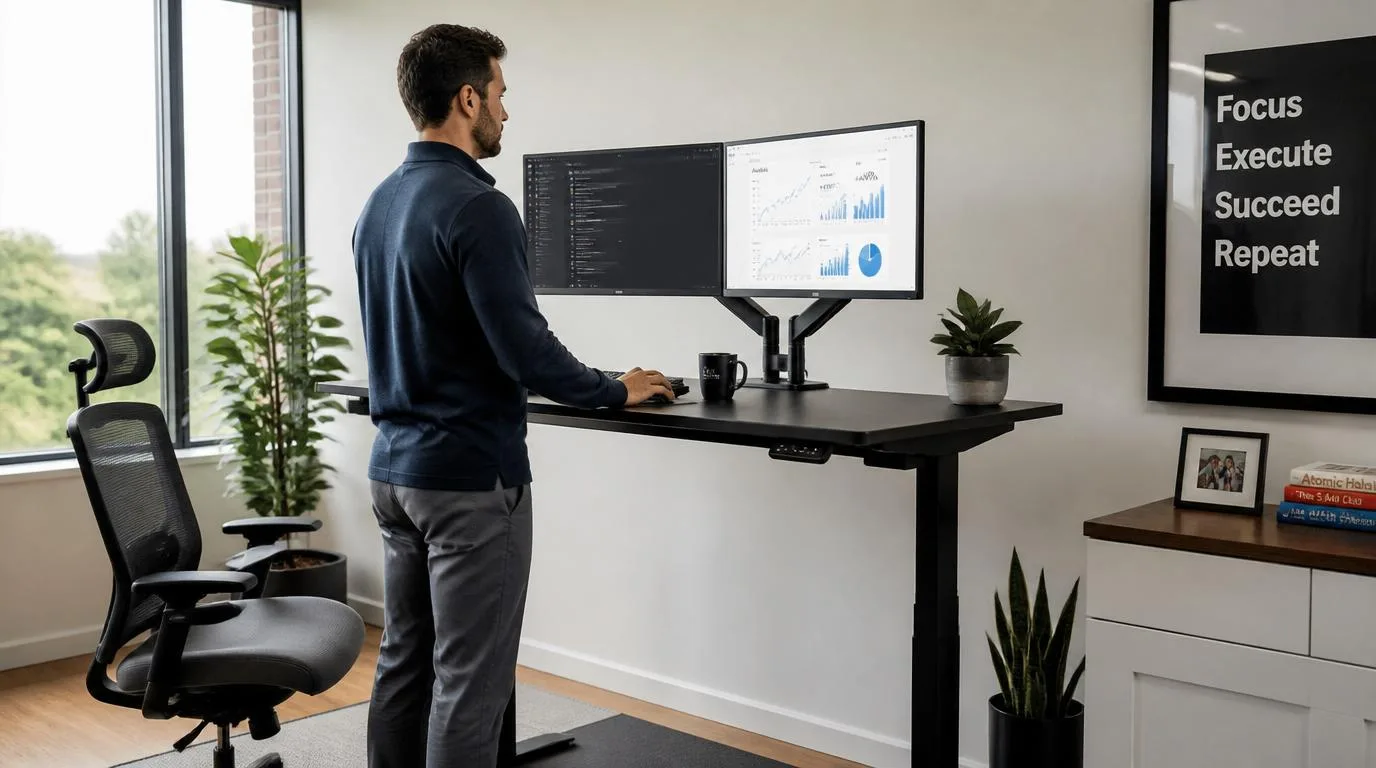
Standing workstations have become increasingly popular as businesses prioritize employee health. These setups allow workers to alternate between sitting and standing throughout the day.
Height-adjustable desks are among the most sought-after ergonomic office solutions.
Health and Productivity Benefits
Research consistently suggests that prolonged sitting can contribute to health concerns. Standing workstations help employees maintain movement and improve posture.
Potential benefits include:
- Reduced physical discomfort
- Improved energy levels
- Better posture
- Increased workplace wellness
Organizations investing in employee well-being frequently incorporate standing desks into their workstation strategies.
Hybrid Workstations
Supporting Modern Work Models
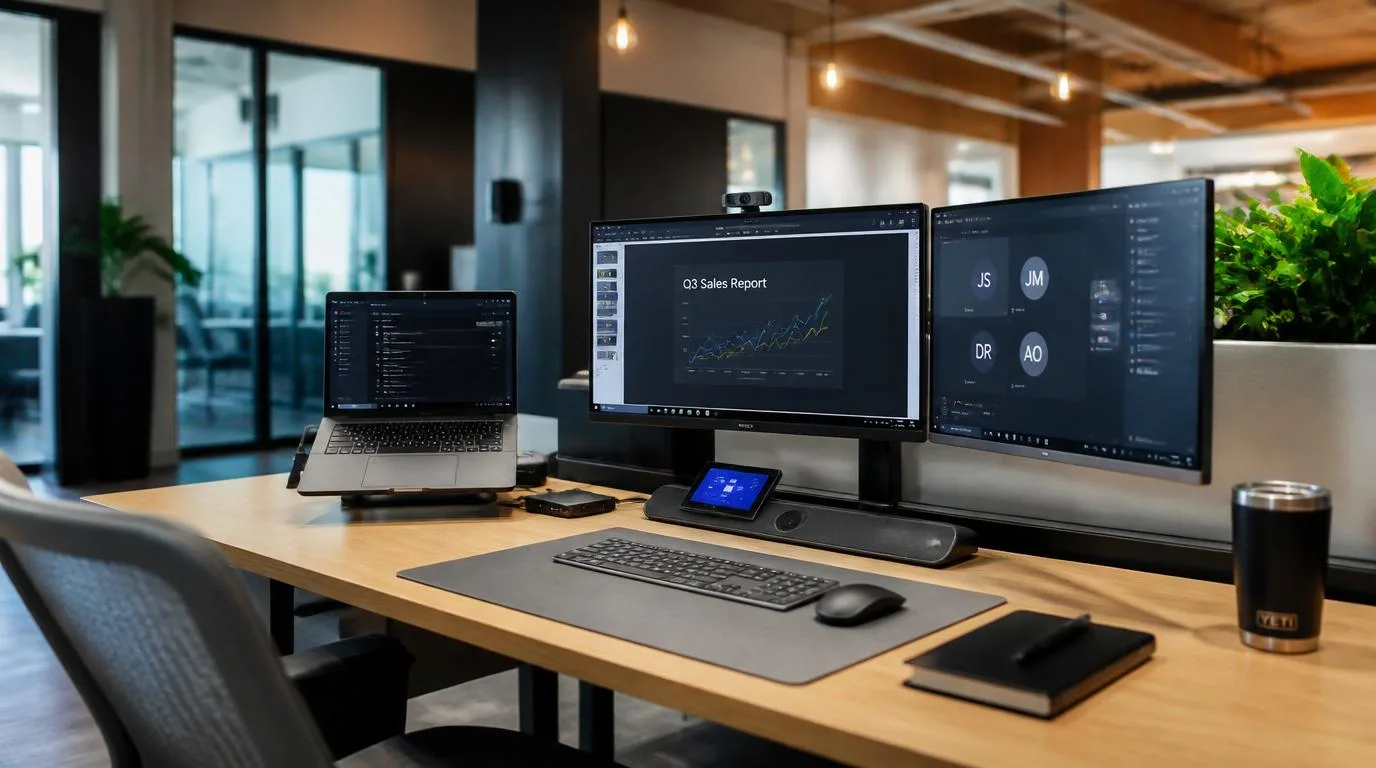
Hybrid workstations are designed for organizations that combine remote and in-office work. These flexible setups accommodate employees who divide their time between multiple locations.
Hybrid workstation designs often include:
- Docking stations
- Shared technology resources
- Adjustable furniture
- Reservation systems
Why Hybrid Workstations Are Growing
As workplace expectations continue to evolve, hybrid workstations offer adaptability without sacrificing productivity. Companies can efficiently support employees regardless of where they perform their tasks.
This flexibility helps organizations attract talent, improve employee satisfaction, and reduce operational costs.
Ergonomic Workstations
The Importance of Ergonomic Design
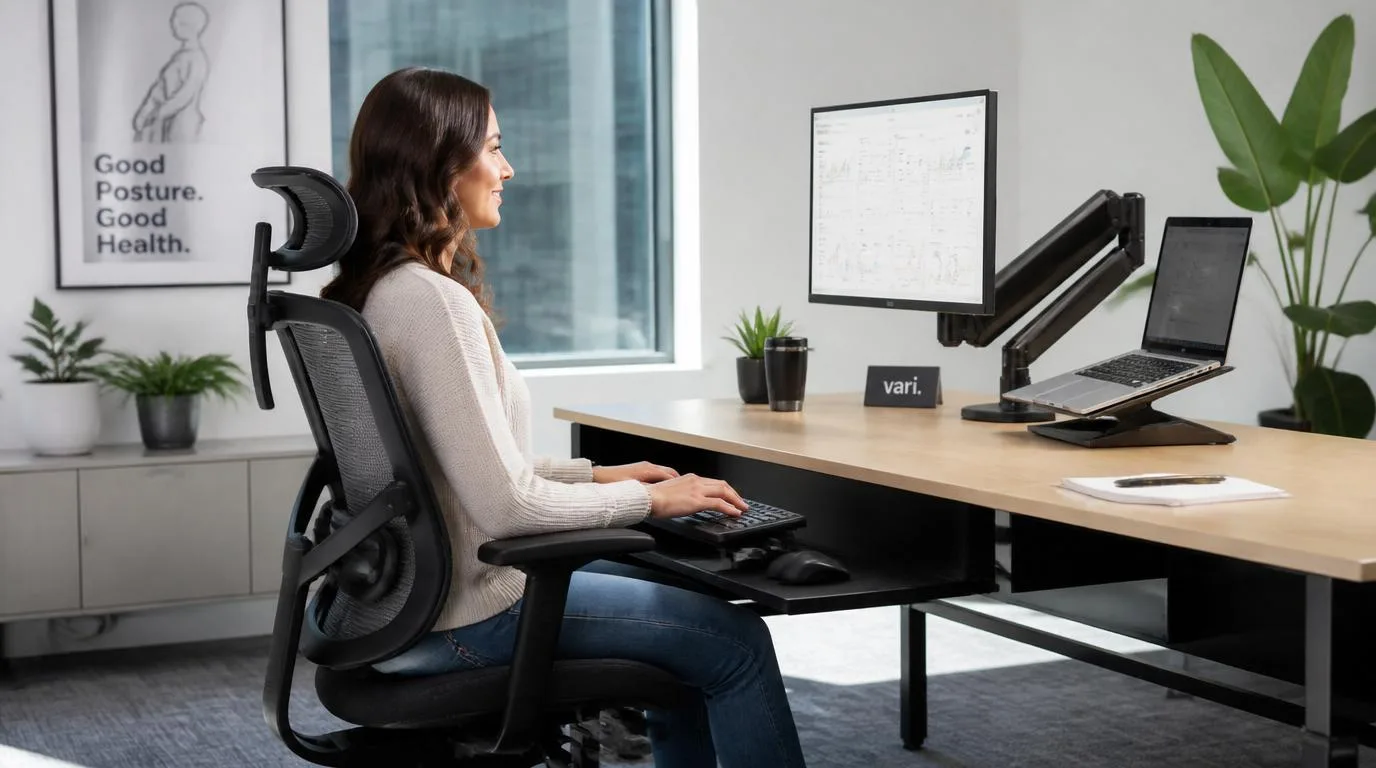
Ergonomic workstations focus on creating comfortable environments that reduce strain and support physical health. Proper ergonomics can significantly impact employee well-being and performance.
Essential ergonomic elements include:
- Adjustable chairs
- Proper monitor positioning
- Keyboard supports
- Height-adjustable desks
Business Benefits of Ergonomics
Investing in ergonomic workstations can lead to:
- Reduced workplace injuries
- Higher employee satisfaction
- Improved productivity
- Lower absenteeism
Organizations increasingly view ergonomics as a strategic investment rather than an optional workplace enhancement.
Choosing the Right Office Workstation
Selecting the ideal workstation depends on numerous factors, including company culture, available space, employee responsibilities, and operational objectives. No single workstation type is universally superior; the best choice aligns with specific business requirements.
Companies focused on collaboration may benefit from open layouts or bench systems. Organizations requiring privacy may prefer cubicles or private offices. Businesses embracing flexibility often adopt hot desking or hybrid workstation models.
A successful office design frequently combines multiple workstation types to accommodate different tasks and work styles. By integrating collaborative areas, private spaces, ergonomic furniture, and flexible seating arrangements, organizations can create environments that support both employee satisfaction and business performance.
Conclusion
The modern workplace demands thoughtful workstation design that balances productivity, collaboration, flexibility, and employee well-being. From open plan workstations and cubicles to hybrid workspaces, standing desks, and ergonomic solutions, each workstation type serves a distinct purpose within the office ecosystem.
Organizations that strategically evaluate their workforce needs and workspace objectives can create highly effective environments that enhance performance, support innovation, and improve employee experience. By understanding the strengths of different office workstation types, businesses can design workplaces that remain efficient, adaptable, and future-ready.